
For most people, typical nail polish use is unlikely to meaningfully affect thyroid function. The thyroid is more commonly influenced by factors like iodine intake, certain medications, autoimmune conditions, and overall endocrine health rather than occasional topical beauty products.
That said, nail products can contain chemicals that raise questions about hormone disruption in general. Some older formulations and certain products may include ingredients that have been studied for potential endocrine effects (for example, phthalates such as dibutyl phthalate/DBP, or other additives). Today, many brands market “free-from” formulas that avoid a shortlist of ingredients consumers prefer to limit. If thyroid health is a concern, choosing polishes labeled 5-free, 7-free, 10-free, or similar can be a practical way to reduce exposure to ingredients that are most often discussed.
Risk is more about frequency and exposure patterns than a single manicure. People who apply polish constantly, use strong removers multiple times per week, or spend hours around salon fumes may have higher cumulative exposure. Good ventilation, taking breaks between manicures, and using gentler removers can help reduce inhalation and skin contact.
If thyroid symptoms are present (fatigue, unexplained weight changes, hair thinning, sensitivity to cold, palpitations), a medical evaluation and thyroid lab testing are more useful than trying to pinpoint one cosmetic product. For personal peace of mind, opt for polishes with clearer ingredient disclosures and limit prolonged exposure to fumes during application and curing.
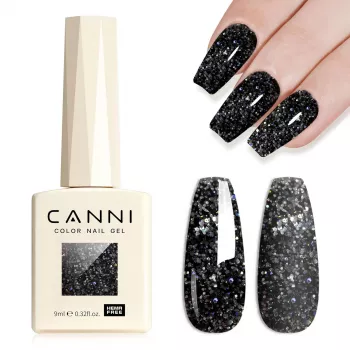
If you’re shopping for a long-wear manicure option and want application tips, finish, and wear guidance, see this related guide: Black Diamond Glitter Gel Polish Long Wear UV/LED Guide.
Neither is automatically “safer.” Gel can last longer, but it may increase exposure to acrylates and requires curing and removal steps; regular polish may chip sooner but can be simpler to remove and reapply with less processing.





Leave a comment