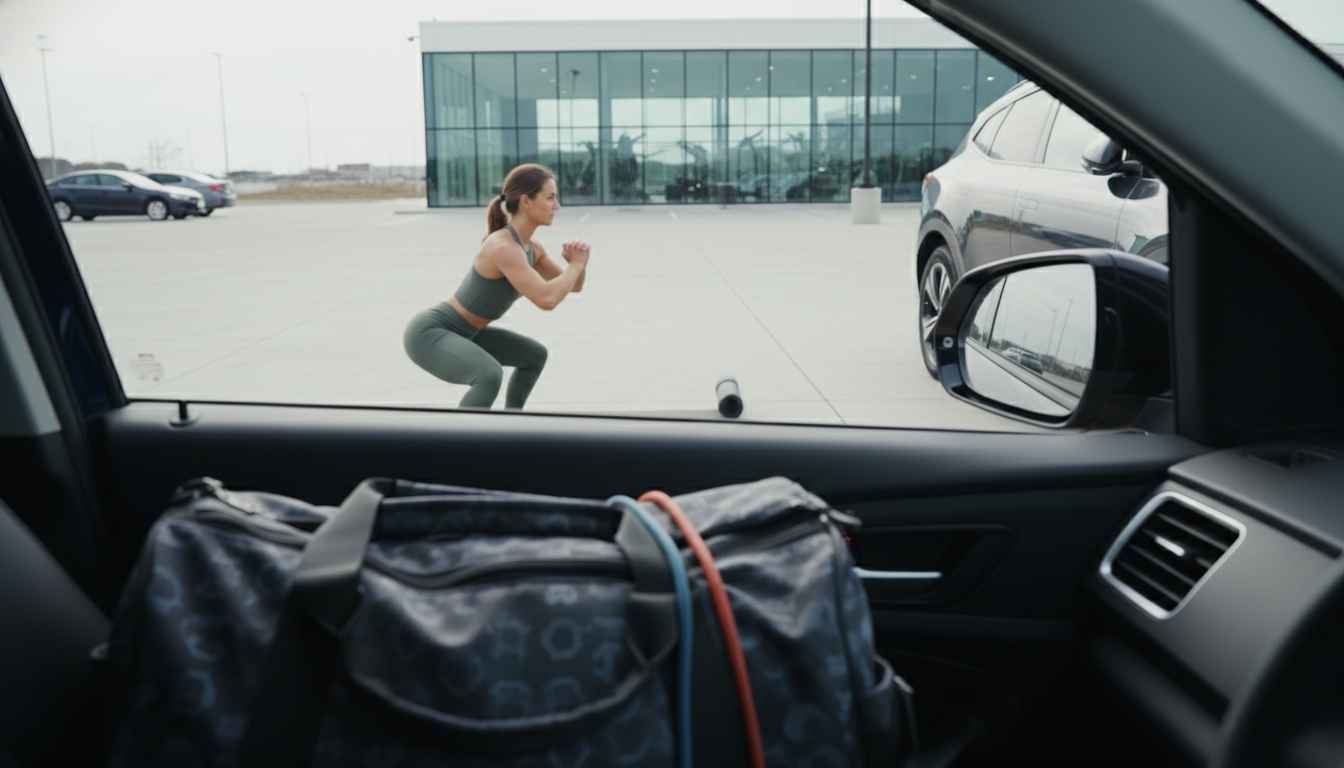
Strength training changes how a woman’s body looks, feels, and performs by building muscle, supporting metabolism, and improving joint and bone health. It doesn’t “bulk you up” overnight; instead, most women notice a firmer shape, better posture, and more day-to-day strength from consistent workouts paired with adequate recovery and nutrition.
Resistance training stimulates muscle fibers to adapt and grow stronger. Over time, that can translate to more defined legs, glutes, back, and arms, plus a tighter midsection due to improved core strength. Because muscle is denser than fat, changes often show up as a different fit in clothes and a more athletic silhouette—not necessarily a dramatic jump on the scale.
Adding muscle can increase how many calories your body uses at rest, and strength sessions also burn energy during and after training. The biggest win for many women is improved body composition: more lean mass, less body fat, and better strength-to-weight ratio. This is especially helpful during periods when metabolism may feel slower, such as with age or hormonal shifts.
Strength training applies healthy stress to bones, encouraging them to maintain density. It also strengthens the muscles and connective tissues that stabilize joints, which may reduce aches from daily life and improve movement quality. With stronger back and core muscles, posture often improves, which can make you look taller and feel more comfortable at your desk or on your feet.
Many women report better confidence, steadier energy, and improved stress resilience with consistent training. Strength work can also support hormone balance by improving insulin sensitivity and helping regulate stress responses—especially when training volume and recovery are well-matched. For a deeper, practical approach, see this guide to strength training for hormone balance.
Most women see noticeable strength and body-composition changes with 2–4 sessions per week, focusing on progressive overload and full-body movement patterns. Consistency over 8–12 weeks matters more than doing long workouts.






Leave a comment