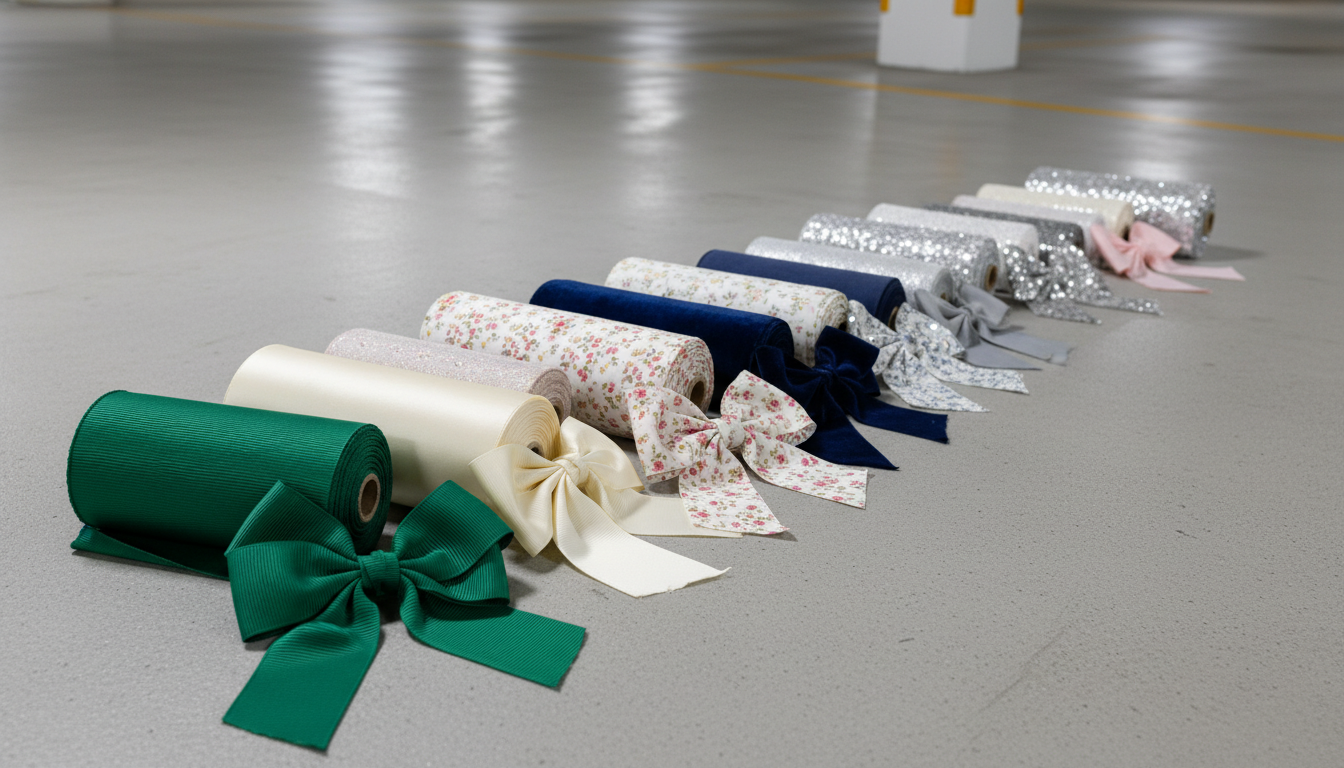
The best fabric for hair bows depends on the look you want, how the bow will be worn, and how much structure it needs. For most everyday bows, grosgrain ribbon is the top pick because it holds its shape, resists wrinkles, and stays crisp even after hours of wear. It’s also easy to tie, heat-seal, and layer without looking bulky.
Grosgrain’s ribbed texture gives bows clean lines and reliable “bounce.” It’s a smart choice for classic pinwheel bows, boutique-style stacked bows, and school or sports bows that need to look neat from morning to night. If you want a bow that won’t flop, start here.
Satin creates a smooth, glossy finish that looks polished for birthdays, photos, and dressier outfits. The tradeoff is that satin can crease and may not keep sharp loops as well as grosgrain unless it’s reinforced or sewn with structure.
Organza is lightweight and sheer, making it great for oversized statement bows without adding heavy weight to a clip or headband. It can be scratchy for some and usually needs careful finishing to prevent fraying.
Velvet bows feel rich and festive, especially for fall and winter. Cotton and linen blends work well for casual, handcrafted styles, but they may need interfacing to keep the bow from collapsing.
For durability and shape, pick grosgrain. For shine, choose satin. For airy volume, go with organza. For texture and warmth, try velvet or cotton. For more fabric-specific tips—especially if you’re coordinating a pink bow with different outfits—see the full guide here: https://splendona.com/blog/guide-pink-bow-fabric-hair-hoop-guide-fit-fabrics-style/.
Use heat-sealing on synthetic ribbons like grosgrain, or apply a small amount of anti-fray liquid to cut edges. For fabric bows, sewing a clean hem or using interfacing can also reduce fraying over time.


Leave a comment