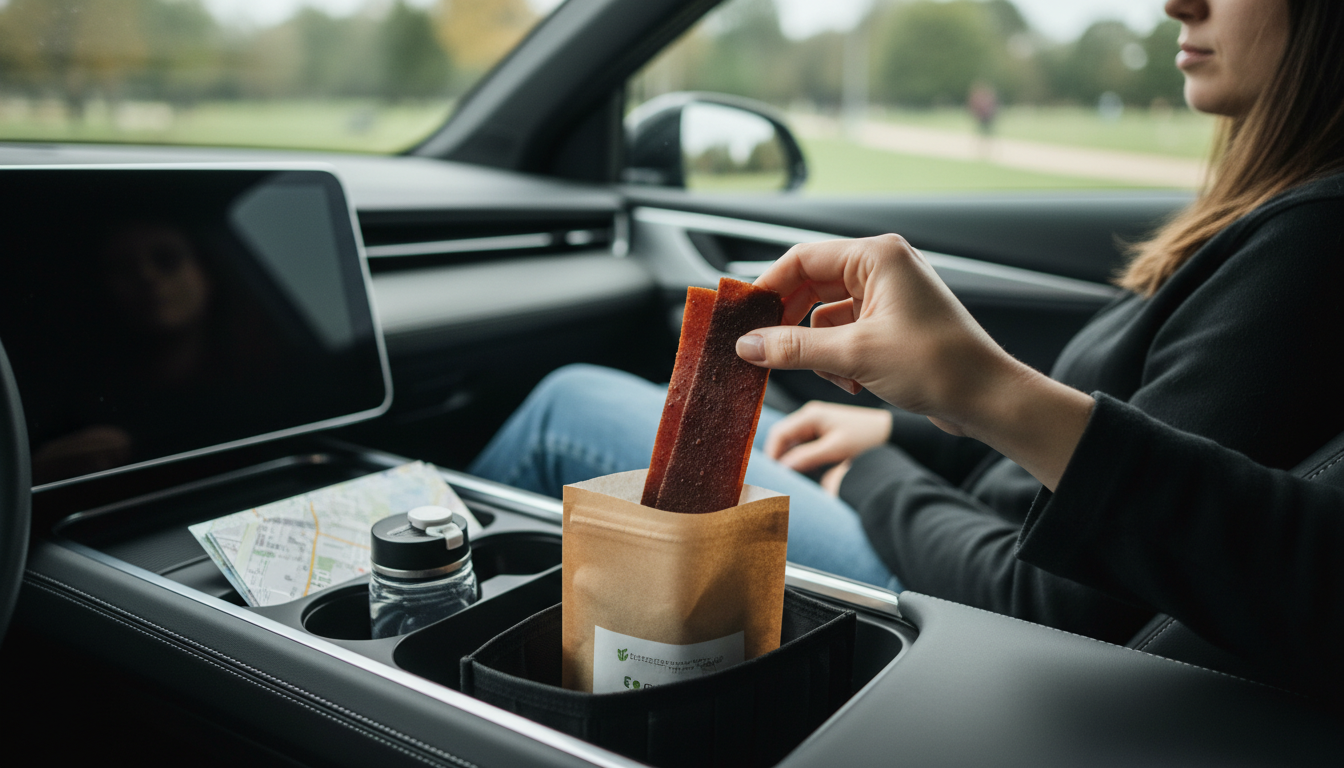
It’s called fruit leather because of how it looks and behaves once it’s dried: thin, smooth, flexible, and slightly chewy—much like a sheet of leather. Fruit purée (often sweetened and sometimes mixed with lemon juice or spices) is spread into a thin layer, then dehydrated until most of the moisture is removed. As it dries, the sugars and fruit fibers concentrate and bind together, creating a pliable “skin” that can be peeled up, rolled, and stored.
The name is more about texture than ingredients. There’s no animal product involved; it’s simply a descriptive term for a fruit-based snack that ends up leathery in appearance and feel. The same idea shows up in older food traditions around the world where fruits were preserved by sun-drying into sheets for travel and long-term storage.
Because fruit leather forms as one continuous layer, it’s easy to cut into strips or shapes, which is part of its enduring appeal. That roll-up-friendly texture is also why the term stuck—“fruit sheet” doesn’t quite capture the same tactile quality that “leather” does.
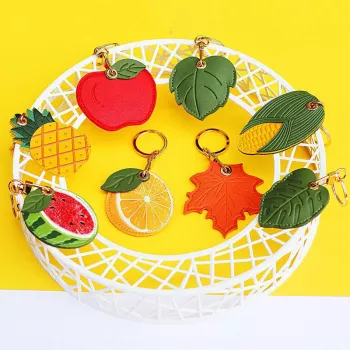
If you’re curious about the playful “fruit leather” look beyond snacks—like the colorful, cartoon-inspired style used in accessories—check out this guide: https://splendona.com/guide-cartoon-fruit-leather-airtag-keychain-case-guide/.
For Why Fruit Leather Is Called “Leather” (Not Meat), the best answer depends on fit, material, care instructions, and how the product will be used day to day.
Checking those details first helps avoid a poor match and keeps the choice practical after delivery.
For Why Fruit Leather Is Called “Leather” (Not Meat), the best answer depends on fit, material, care instructions, and how the product will be used day to day.
Fruit leather is made by blending fruit into a purée, spreading it thinly on a lined tray, and drying it at low heat until it becomes flexible and no longer sticky. It’s then peeled off and cut or rolled for storage.



Leave a comment