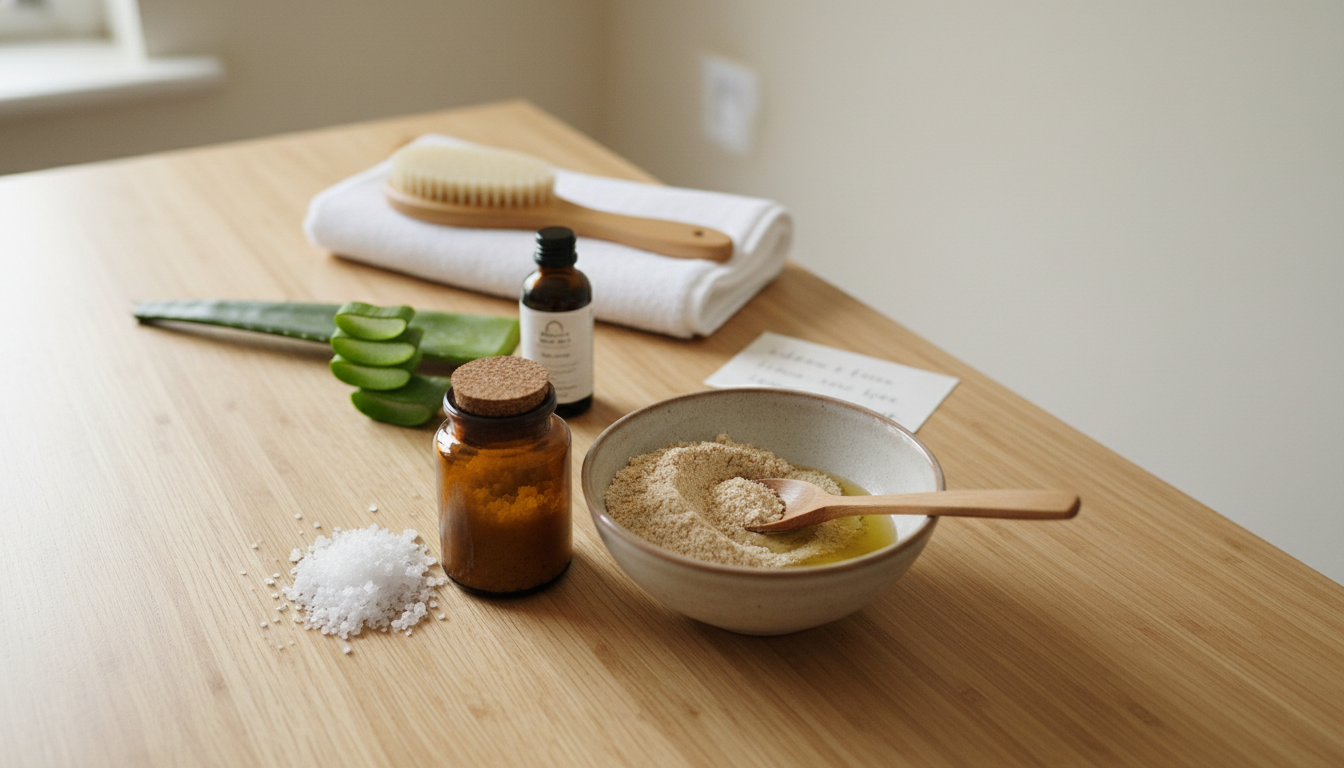
Dead skin on the scalp is common, especially with product buildup, dry weather, sweat, or infrequent cleansing. The goal is to loosen flakes gently, cleanse thoroughly, and keep the scalp barrier calm—without scratching or harsh chemicals.
Before washing, apply a small amount of lightweight oil (like jojoba or squalane) or pure aloe vera gel to the scalp. Let it sit 10–20 minutes to soften dry patches so they lift more easily during cleansing. If you’re prone to oily buildup, keep the amount minimal and focus only on flaky areas.
In the shower, massage the scalp with your fingertips using small circles for 1–2 minutes. Avoid scraping with nails, which can cause micro-cuts and make flaking worse. If you use a silicone scalp brush, use very light pressure and stop if the skin feels tender.
Choose a mild shampoo and concentrate it on the scalp, not the hair lengths. Rinse well—leftover shampoo, conditioner, and styling products can cling to the scalp and create more visible flaking. If you use conditioner, keep it mid-length to ends.
A diluted apple cider vinegar rinse can help some people with mild buildup: mix 1 tablespoon ACV in 1 cup of water, apply to the scalp for 1–2 minutes, then rinse completely. Skip this if your scalp is cracked, irritated, or recently scratched, and discontinue if it stings.
Wash after heavy sweating, avoid piling on dry shampoo, and swap heavy butters for lighter leave-ins if your scalp flakes easily. If flakes are thick, greasy, itchy, or paired with redness, consider checking what’s happening on the scalp up close to guide your next step.
For a closer look at what may be causing flakes and buildup, see the guide here: wireless scalp & skin HD dermatoscope phone guide.
Common causes include product buildup, irritation from fragranced hair products, seborrheic dermatitis (often with oily, yellowish flakes), and psoriasis (often with thicker plaques). If symptoms persist or worsen, a clinician can help identify the underlying cause.





Leave a comment