
Picking the right rug color starts with what the room already “says.” Look at the largest surfaces first—your walls, sofa, and flooring—then decide whether the rug should quietly support that palette or become the statement piece that pulls everything together.
Flooring, wall paint, and big upholstery pieces should guide your rug color. If you have warm-toned wood or beige walls, rugs with warm creams, tans, rust, or olive typically feel cohesive. With cool gray floors or crisp white walls, consider rugs with charcoal, navy, slate, or cooler neutrals.
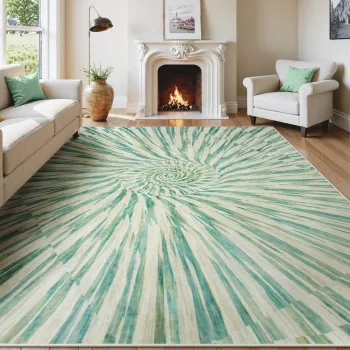
For a calm, designer-polished look, pick a rug that’s a few shades lighter or darker than the sofa to create gentle contrast. For a bolder look, choose a rug that introduces an accent color already present in smaller details—like pillows, art, or curtains—so it feels intentional rather than random.
Solid light rugs can look stunning, but they show footprints and spills faster. In busy living rooms, mid-tone rugs (think taupe, greige, denim blue) or subtle patterns help disguise everyday wear while still looking elevated.
Neutrals have undertones. A cream rug can lean yellow, pink, or gray; a “gray” rug can lean blue or brown. If your sofa is a warm oatmeal, a blue-gray rug may feel icy. When possible, compare swatches in daylight and at night to confirm the undertones play well together.
Shaggy or high-pile rugs often appear richer and slightly darker because fibers catch light unevenly. Flatweaves and low-pile styles show color and pattern more crisply. For more practical placement, sizing, and easy-care guidance, see this Soft Swirl rug guide.
A common rule is to place at least the front legs of the sofa and chairs on the rug, which often means an 8′ x 10′ for many living rooms; larger spaces may need a 9′ x 12′ to avoid a “floating” look.






Leave a comment