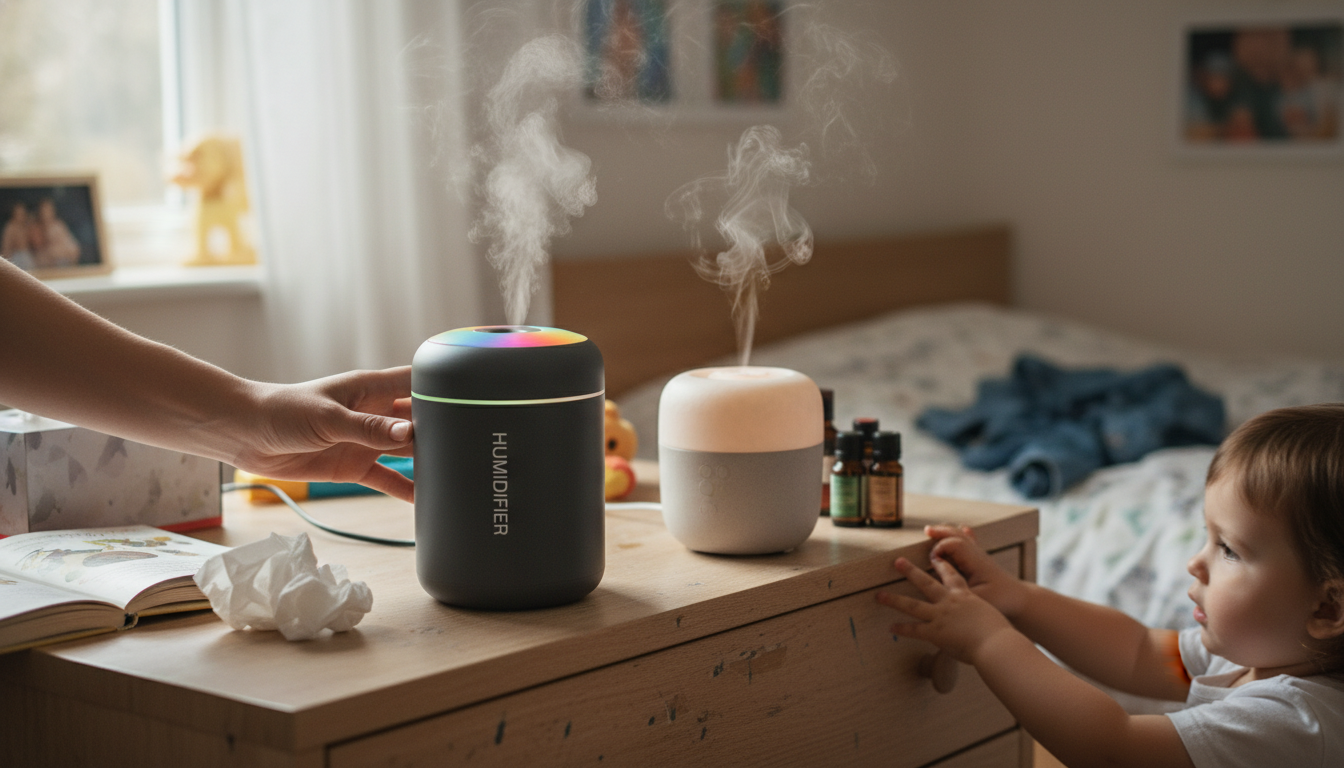
A humidifier is designed to add moisture to the air, while a diffuser is designed to disperse essential oils (and sometimes a small amount of moisture) into the air. For a cough, the biggest practical difference is that humidifiers focus on humidity levels that can soothe dry, irritated airways, whereas diffusers focus on aroma and optional oil benefits and typically don’t raise room humidity as much.
If your cough feels worse in dry air—common with heated indoor spaces—using a humidifier can help by loosening mucus and easing throat dryness. Cool-mist humidifiers are often preferred for comfort and safety in many households, especially around kids and pets.
A diffuser may feel comforting if you like scents, but it’s not a direct replacement for a humidifier when the goal is to increase humidity. Some devices are marketed as “humidifier diffusers” and provide a light mist while also allowing essential oils, but their small water tanks usually make them better suited for personal spaces (like a desk or bedside) rather than whole-room humidity control.
Also consider sensitivity: fragrances and essential oils can irritate some people’s airways, especially during a cough, asthma flare, or allergy season. If you try oils, start with a very small amount, keep the room ventilated, and stop if you notice more coughing, throat tickle, or headaches.
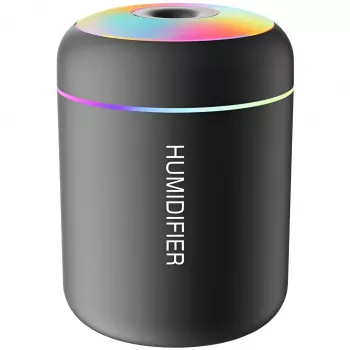
For a closer look at a compact option that combines gentle mist with aromatherapy features, see this guide: Mini USB Aroma Humidifier Oil Diffuser with Soft LED Light.
For Humidifier or Diffuser for a Cough? What to Choose, the best answer depends on fit, material, care instructions, and how the product will be used day to day.
Checking those details first helps avoid a poor match and keeps the choice practical after delivery.
It depends on sensitivity. Some people find certain aromas soothing, but essential oils can also trigger irritation or worsen coughing for others, so discontinue use if symptoms increase.




Leave a comment