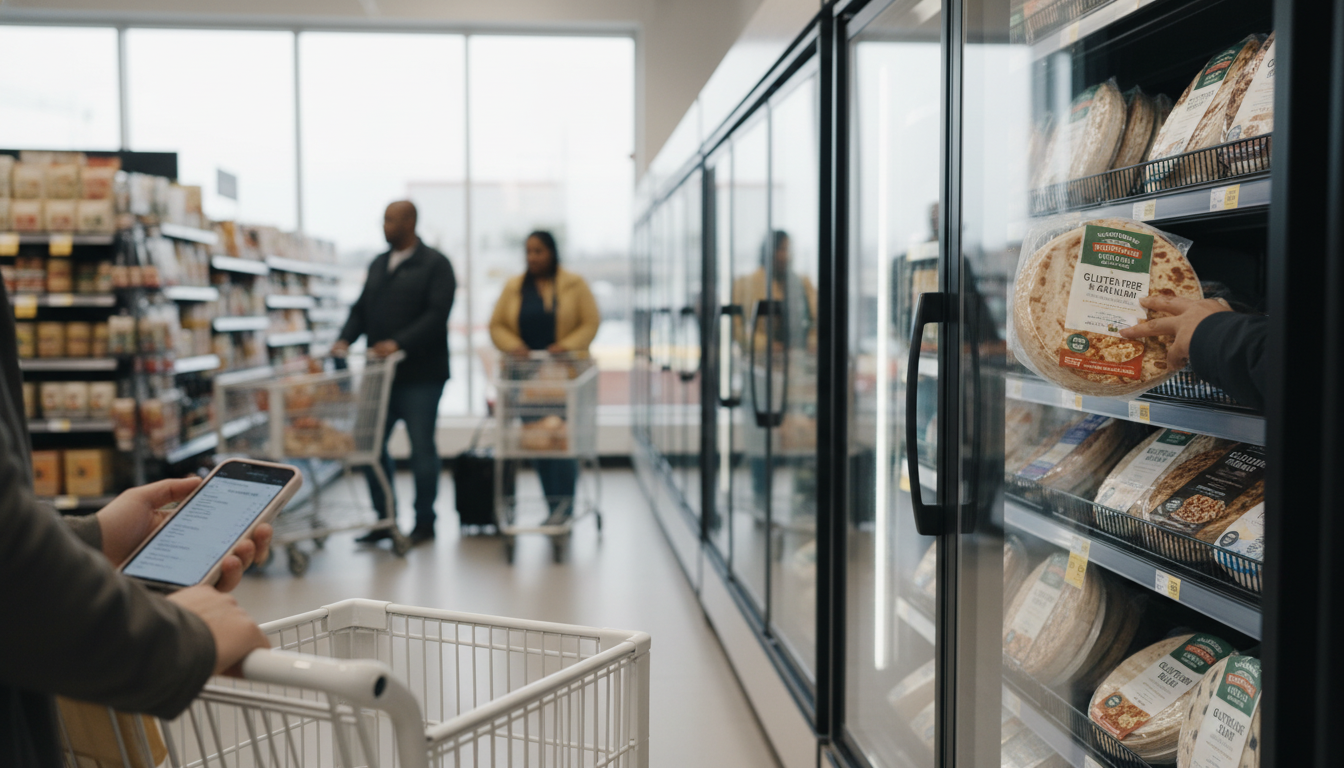
Gluten free pizza dough is easiest to find in three places: the freezer aisle, the refrigerated deli section, and online. The best option depends on whether you want a quick weeknight crust, a bakery-style base that you can stretch, or a shelf-stable mix you can keep on hand.
Start with major supermarkets and natural food stores. Many carry frozen gluten free pizza crusts or dough balls near gluten free breads. Refrigerated options sometimes sit by fresh pasta, specialty cheeses, or ready-to-bake meals. Frozen dough and par-baked crusts tend to be the most consistent for texture and rise, especially if you need dinner fast.
Stores that focus on allergy-friendly products often stock a wider range of gluten free doughs, including dairy-free or egg-free versions. Specialty markets may also carry local brands with shorter ingredient lists and better chew. If you’re sensitive to more than gluten, check the label for wheat starch, oats, and shared-facility statements.
Buying online opens up more choices, including dough balls shipped chilled, pantry-friendly mixes, and bulk packs for meal prep. This route is especially helpful if local stores only carry one brand or you need a specific style (thin, Neapolitan-style, or thicker pan pizza). Look for insulated shipping and clear “use by” timelines for refrigerated products.
Some pizzerias and gluten free bakeries sell their dough separately. Calling ahead can uncover options that aren’t listed on menus. If cross-contact matters, ask how the dough is made, stored, and handled before purchasing.
For more gluten free kitchen swaps and ingredient ideas that make baking and cooking simpler, visit this gluten free recipe swaps guide and printable checklist.
Preheat a pizza stone or sheet pan, bake the crust briefly before adding wet toppings, and go lighter on sauce and fresh veggies. Finishing the pizza directly on the oven rack for a minute or two can also help crisp the bottom.






Leave a comment