
Scent diffusers can be safe for lungs when you use them thoughtfully, but they’re not “set it and forget it” devices. The main factors are what you’re diffusing (the ingredients), how much is released into the air, and the room’s ventilation. Our team recommends treating fragrance like seasoning: a little can feel pleasant, while too much can become irritating.
You may notice coughing, throat scratchiness, headaches, or chest tightness if the scent is too strong, the space is small, or the diffuser runs nonstop. People with asthma, COPD, allergies, migraines, and those who are pregnant or caring for infants often need extra caution because even “natural” essential oils and fragrances can be triggers.
Start with the lowest output and the shortest run time (15–30 minutes), then see how you feel before increasing. Place the diffuser away from your face (not on a bedside table aimed at you) and keep airflow moving with a cracked window or HVAC circulation. If you’re using an oil diffuser, use only a few drops; overloading the reservoir can make the air harsh and sticky. Clean the water tank regularly so residue and biofilm don’t build up and get dispersed into the air.
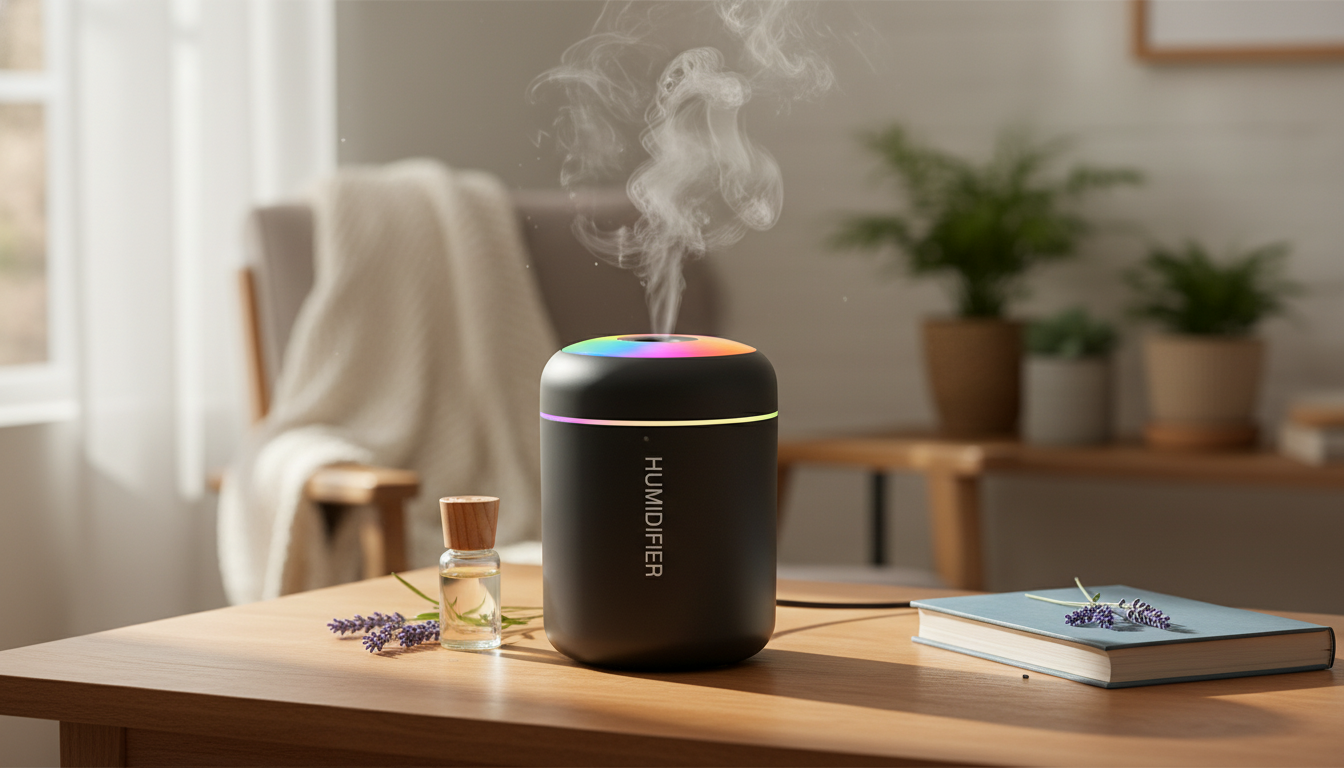
For many homes, a small, intermittent diffuser is easier to control than a strong unit running all day. If you’re shopping for a compact option, our team put together a practical walkthrough of setup and day-to-day use here: Mini USB Aroma Humidifier & Oil Diffuser Guide.
If anyone in your home feels wheezy, tight-chested, nauseated, or develops a persistent cough, stop diffusion immediately, air out the room, and switch to unscented air (or use the device without fragrance if it supports that). Comfort is a clear signal—your lungs shouldn’t have to “get used to” a scent.
It’s usually better to avoid all-night diffusion and use a timer instead. Short, intermittent sessions reduce the chance of irritation and fragrance overload in the room.





Leave a comment