Clean Lines, Tough Sole: Why Black Leather Ankle Boots Stay in Rotation
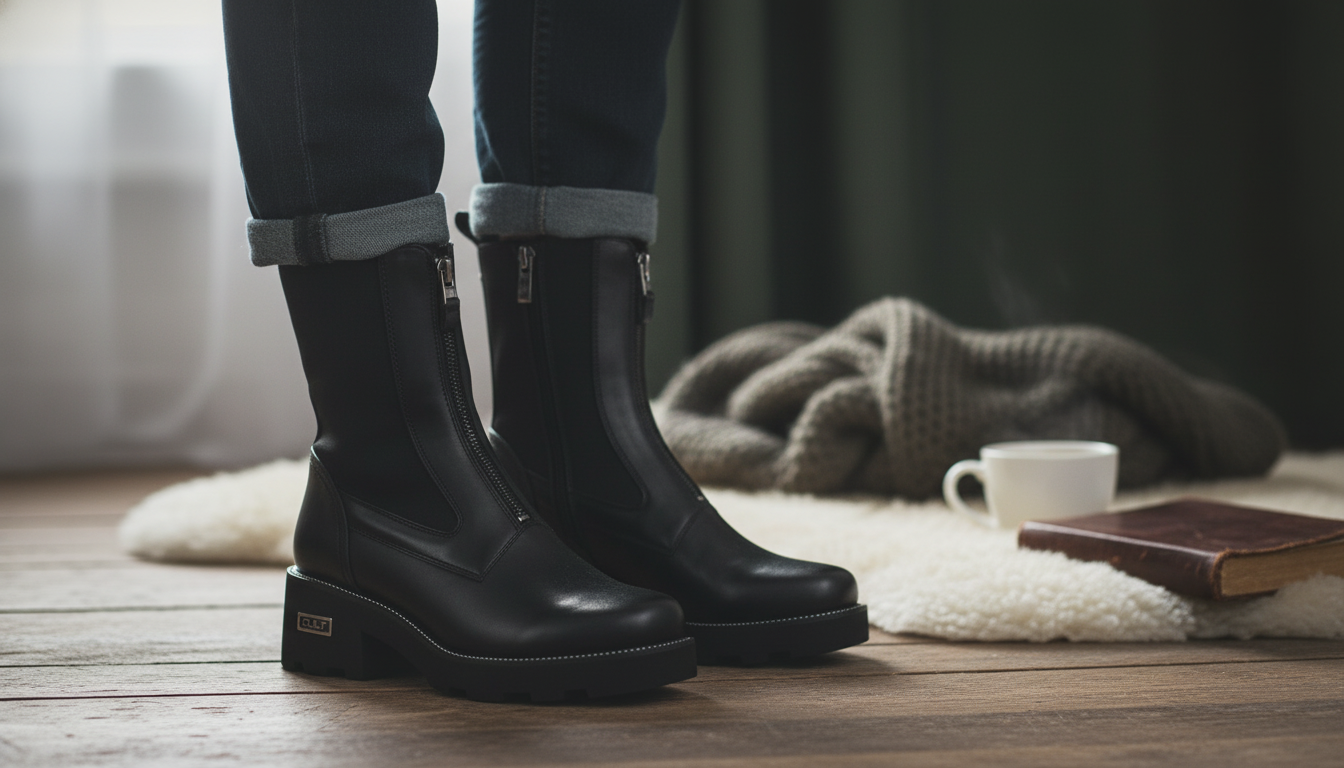
Black leather ankle boots hit a sweet spot between edge and versatility. The ankle-height profile works across denim, tailored pants, and dresses without swallowing the outfit, while a well-built sole can handle daily miles on concrete, slick sidewalks, and uneven pavement. Leather also tends to reward consistent care—softening into a personalized fit and keeping its shape longer than many synthetics when conditioned and stored well.
Whether the look leans minimalist, biker-inspired, or boldly chunky, the best pair is the one that matches how and where they’ll actually be worn: commuting, office days, weekend walking, or wet-weather errands. The details below focus on materials, construction, comfort, and care so a great pair stays sharp for seasons.
What Stands Out in Black Leather Ankle Boots
- Ankle-height proportion: Easy to pair with jeans, trousers, skirts, and dresses; it adds structure without dominating the silhouette.
- Black leather upper: Streamlined, classic, and typically longer-lasting than many synthetic alternatives when cleaned and conditioned.
- Traction-focused sole: Lug or textured tread improves confidence on wet sidewalks and cracked pavement.
- Style range in one category: Toe shape, hardware, and outsole thickness can shift the vibe from polished to rugged.
- Season-to-season flexibility: Ideal for fall and winter, and still comfortable on cool spring days with the right socks.
How to Choose the Right Pair
Comfort and durability start with fit and construction. Leather will relax slightly, but it won’t “fix” a poor shape match. Prioritize secure hold and a natural flex point, then choose the outsole and silhouette that align with your day-to-day.
Fit checkpoints that matter most
- Heel hold: Aim for a secure heel with minimal lift. Excess slipping often increases as leather softens.
- Toe room: Keep about a thumb’s width in front of the longest toe; cramped toes invite rubbing and fatigue.
- Shaft opening: Make sure the ankle opening doesn’t pinch when walking or sitting—test with the socks you’ll actually wear.
- Heel height and pitch: Lower block heels tend to feel steadier for all-day wear; higher heels can look sharper but demand better support and fit.
Build and materials cues
- Outsole grip: Deeper lugs or pronounced texture are helpful for rainy days; smoother soles can feel sleeker indoors.
- Construction quality: Clean stitching, aligned seams, and a firm heel counter often correlate with better shape retention.
- Lining and insole: Softer linings help prevent hot spots, and a removable insole is useful for orthotics or preferred inserts.
Quick checklist: match the boot to the job
| Priority |
What to look for |
Why it matters |
| All-day comfort |
Cushioned insole, stable heel, roomy toe box |
Reduces fatigue and rubbing over long wear |
| Wet-weather walking |
Textured tread, slightly thicker sole, water-resistant finish |
Improves traction and helps repel light moisture |
| Dressier styling |
Sleeker toe, minimal hardware, slimmer sole |
Pairs cleanly with tailored outfits |
| Rugged everyday use |
Reinforced stitching, firm heel counter, lug sole |
Holds shape and withstands frequent wear |
| Easy on/off |
Side zip or elastic gore panels |
Faster changes and better daily convenience |
Leather Quality and Finishes to Know
Not all “leather” wears the same. The grain, finish, and treatment affect how the boot creases, how it handles scuffs, and how much maintenance it needs to stay polished.
- Full-grain and top-grain leather: Often age beautifully and can develop character with wear when conditioned regularly.
- Corrected-grain leather: Typically more uniform in appearance and easier to keep looking consistent, though creasing can look different than higher-grain leathers.
- Smooth vs. pebbled finish: Smooth leather reads sharper; pebbled grain can hide minor scuffs and feels more casual.
- Water resistance: Leather isn’t naturally waterproof. Treated finishes plus a protector spray add a practical layer of defense.
- Black color care: Black can still fade—occasional polishing helps restore depth and even out light scuffs.
For basic conditioning and cleaning guidance, see Leather Honey’s leather care overview. For general footwear fit principles, the American Podiatric Medical Association offers helpful foot-health and fit resources.
Comfort and Support: Details That Matter
- Arch support: A supportive footbed—or enough depth to add an insert—can make a major difference on long walking days.
- Firm heel counter: A sturdier counter stabilizes the foot and helps reduce blister risk at the back of the heel.
- Natural flex point: The boot should bend where the toes flex. Overly stiff soles can create pressure and an awkward stride.
- Sock strategy: Thin socks reduce bulk in close-fitting boots; medium cushion socks can improve comfort in roomier pairs and cut friction.
- Break-in expectations: Leather often softens after several wears. Start with shorter outings and watch for pressure points that need attention early.
Styling Ideas That Work Year-Round
Care, Cleaning, and Storage for Black Leather
FAQ
How should leather ankle boots fit at first?
They should feel snug but not tight: secure at the heel, comfortable across the instep, and with enough toe room to wiggle. Expect mild softening as the leather breaks in, not a dramatic size change.
Can black leather ankle boots handle rain or snow?
They can handle light moisture if they’re protected with a suitable spray and dried promptly afterward. For frequent wet or snowy conditions, prioritize a grippy tread and more weather-focused construction.
How often should black leather boots be conditioned?
Condition every few weeks to a couple of months depending on wear, climate, and exposure to heat or salt. If the leather starts to look dull, dry, or stiff, condition sooner.
Recommended for you




Leave a comment