
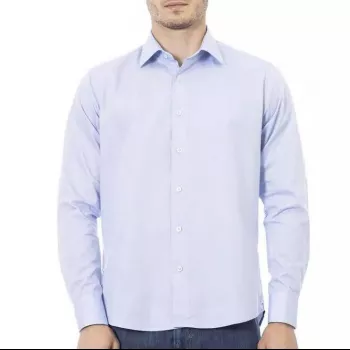
A light blue regular-fit shirt that bridges smart and relaxed dressing, designed for dependable comfort and clean lines. The shade works across seasons, while the regular fit offers ease through the chest and shoulders for day-long wear at work, dinners, and weekend plans.
| Detail | What to Look For | Why It Matters |
|---|---|---|
| Fit | Regular fit through chest and waist | Comfort and easier movement; simpler layering under jackets |
| Color | Light blue | Flatters most complexions and matches common wardrobe staples |
| Occasion | Work to weekend | Reduces the need for multiple “single-purpose” shirts |
| Styling | Tucked or untucked depending on formality | Quickly shifts the outfit from relaxed to polished |
| Maintenance | Low-fuss routine based on label instructions | Helps preserve shape, color, and overall finish |
A regular fit is the dependable middle ground: it looks intentional and structured, without the close-to-the-body feel of slim cuts. For many wardrobes, that balance is the difference between a shirt that looks great for an hour and one that stays comfortable from morning commute to last meeting.
For a clean look, pay special attention to three checkpoints: the shoulder seam should sit at the shoulder edge, the chest should lie flat with no gaping between buttons, and sleeve length should finish around the wrist bone. A tailor can refine sleeve length or waist taper, but an off shoulder width usually stays off.
Light blue is one of the easiest shirt colors to build around because it reads fresh and polished without feeling loud. It also plays nicely with core menswear colors—navy, gray, tan, brown, olive—so outfits come together quickly.
Keep the overall palette tight: navy/charcoal bottoms, a brown or black belt, and matching shoes. If you’re adding a blazer, aim for crisp lines (smooth shoulder fit and a tidy collar) so the look stays sharp rather than bulky.
When wearing it untucked, look for balanced proportions: the hem should fall around mid-fly to zipper area (varies by height). Rolling sleeves once or twice adds ease while still looking put together.
Light blue under a navy or charcoal knit is an easy contrast that reads intentional. With denim, go darker and cleaner (less distressing) if you want the shirt to carry the polished side of the outfit.
Light blue supports both solid and patterned ties without competing. If you’re brushing up on technique, follow a clear step-by-step resource like this tie-tying guide for a reliable knot and length.
Care labels often use standardized symbols; if you want a reference for what those icons mean, consult an ISO overview of textile care symbol standards. The practical takeaway is simple: avoid harsh heat when it’s not recommended, and let the shirt dry in a way that preserves its shape.
Regular fit is a classic cut that offers more room than slim fit through the chest and waist. It’s designed to feel comfortable and allow easy movement while still looking structured.
Yes—light blue is a business casual staple because it looks clean and professional without feeling overly formal. Pair it with navy or charcoal trousers, and add a blazer when you need a more meeting-ready finish.
A comfortable collar typically allows the “two-finger” space between your neck and the collar when buttoned. You should be able to swallow and turn your head without the collar feeling tight or pressing into the skin.




Leave a comment