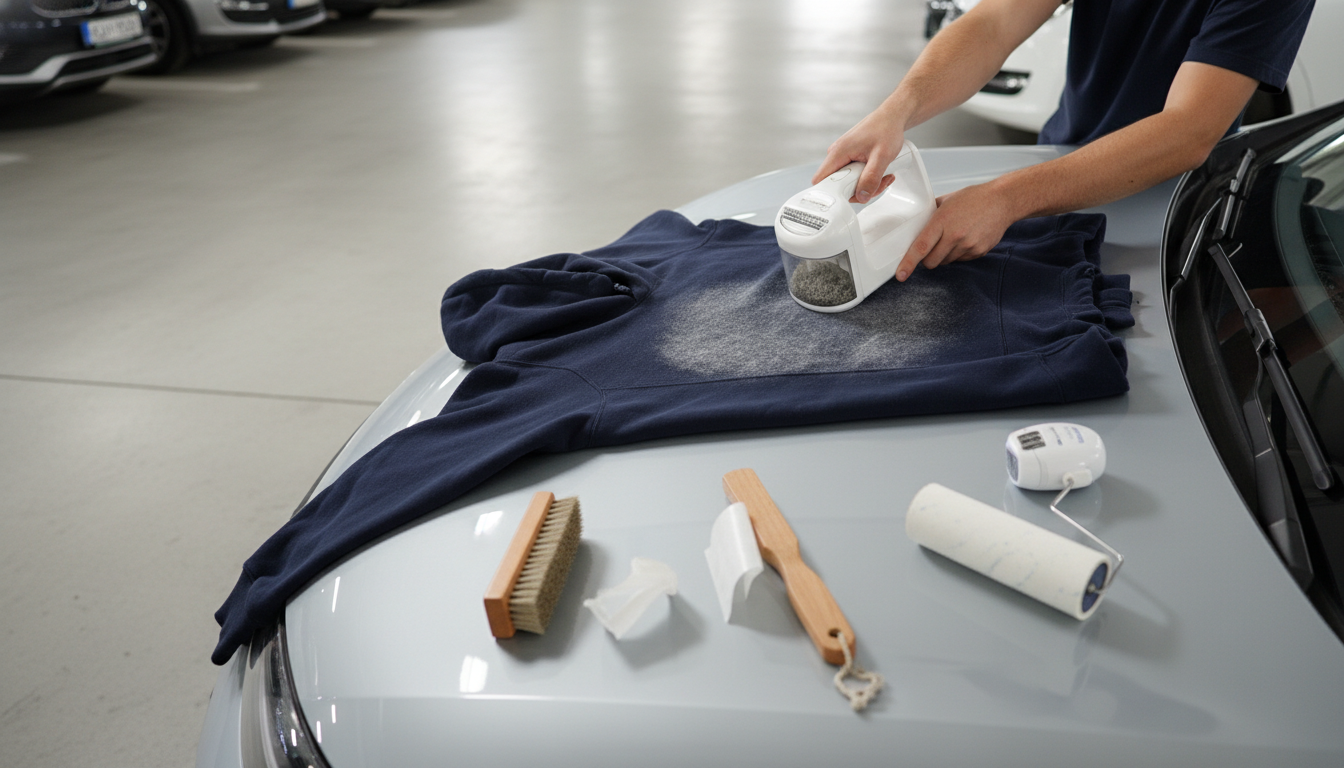
Yes—lint removers actually work, and most of the “they’re useless” takes come down to using the wrong type or using it the wrong way. If you’re dealing with pills (those little fabric balls) on sweaters, hoodies, upholstery, or blankets, a good lint remover can shave them off quickly and make the fabric look noticeably newer. For loose lint, pet hair, and surface fuzz, you’ll get better results from a sticky lint roller or a fabric brush, not a shaver-style remover.
There are two common tools that get lumped together:
Electric lint removers shine on knitwear and soft fabrics that pill with friction—think sweaters, scarves, couch throws, and some polyester blends. The key is using light pressure on a flat surface, letting the shaver do the work, and emptying the lint bin before it overfills. Adjustable speed settings help: lower speeds for delicate fabrics, higher speeds for thicker materials.
If the fabric is very thin, loosely woven, or already worn through, an aggressive pass can snag threads or create thin spots. They also won’t “fix” stretched fibers or permanent wear; they only remove what’s sitting on top. Avoid using them over raised seams, buttons, zippers, embroidery, or holes, and test a small spot first.
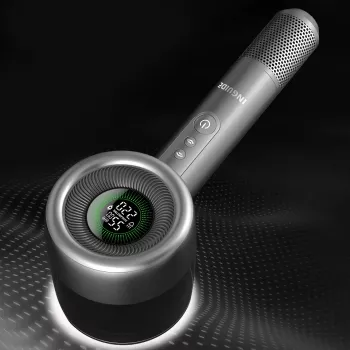
A strong motor, multiple speeds, a protective mesh cover, and a larger lint container make the experience smoother. Extras like an LED light and battery power can help you see results and use it anywhere. For a deeper buying checklist and how-to tips, see this guide: electric lint remover guide.
Yes, but use the lowest setting, keep the fabric taut on a flat surface, and use very light pressure. Always test a small hidden area first and avoid seams or any loose threads.





Leave a comment