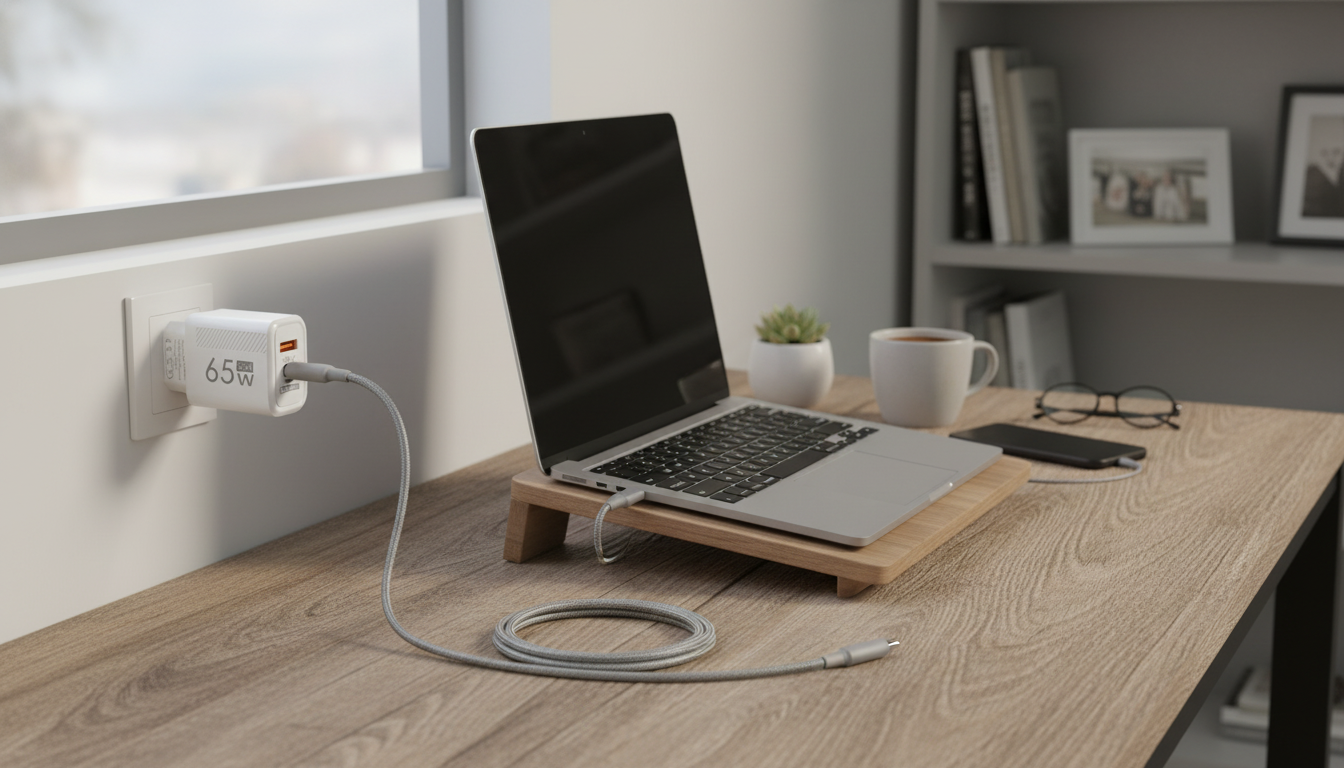
Usually, no. A 100W USB-C charger is a “maximum available power” rating, not what it forces into your phone. With USB Power Delivery (USB-PD), your phone and the charger negotiate a safe charging profile, and the phone pulls only what it’s designed to accept.
Where people run into trouble is quality and heat, not the watt number on the box. A well-built 100W PD charger paired with a proper USB-C cable is typically just as safe for a phone as a 20W or 30W model—it’s simply capable of powering bigger devices like tablets and laptops too.
If you want one brick to charge multiple devices, a 100W model can be convenient—especially for travel or a desk setup. It can handle a phone quickly, then still have enough headroom for a laptop or a second device on another port (depending on how the charger splits power).
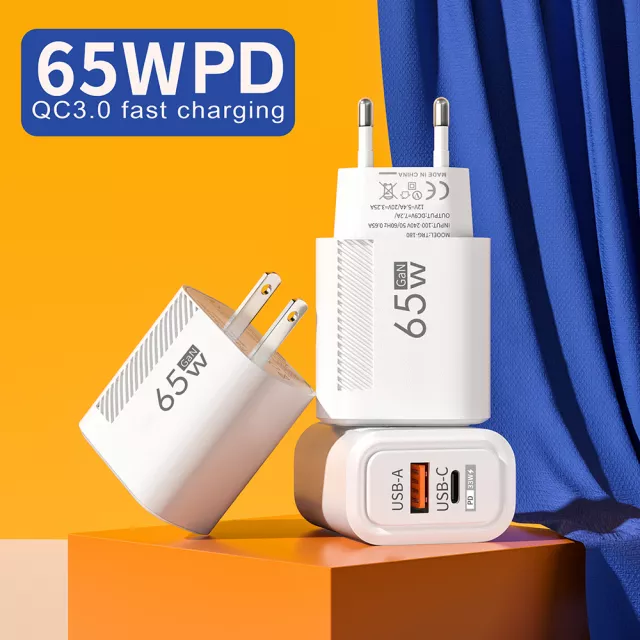
If you mainly charge one phone overnight, you may not need 100W. Many shoppers prefer a smaller, cooler-running option like a 65W GaN wall charger that still covers phones, tablets, and many laptops. Our team broke down what to look for here: https://splendona.com/guide-65w-gan-usb-c-wall-charger-quick-charge/.
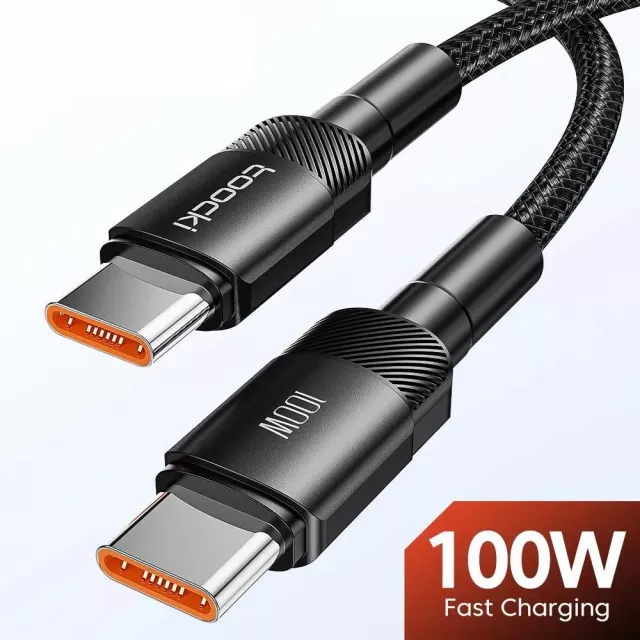
Stick with USB-PD (and PPS if your phone supports it) for the cleanest compatibility. Use a USB-C cable rated for the job—especially if you might also charge a laptop from the same charger. Finally, manage heat: fast charging naturally creates warmth, so avoid burying the phone under blankets, and try not to run heavy games while fast charging.
If your phone charges slowly on a 100W brick, it’s typically normal behavior: the phone is limiting power, the cable is under-rated, or the charger is sharing power across ports.
Not if it’s a quality USB-PD charger. Your phone will only draw the wattage it supports, and the charging system manages the rest.
Yes—most modern phones can safely charge from a 100W USB-PD charger, but they usually won’t charge at 100W. The phone negotiates and pulls a lower, supported level.
A compliant USB-C PD charger won’t break an iPhone because the iPhone controls how much power it accepts. iPhones typically top out far below 100W, so the extra capacity just goes unused.





Leave a comment