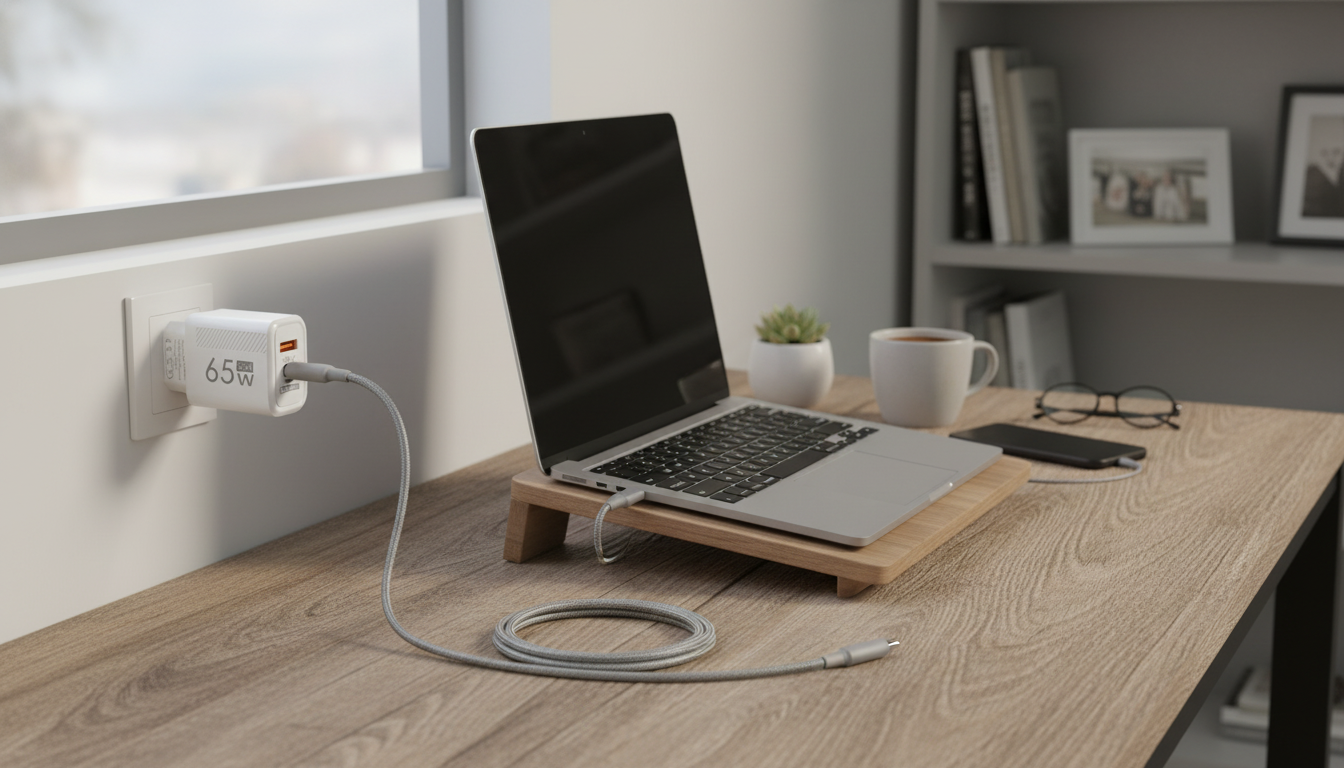
Sometimes—but not always. A 100W charger can charge faster than a 60W charger only if your device is designed to draw more than 60W and the charging setup (cable, port, and protocol) supports it. If your laptop tops out at 45W or 60W, a 100W charger won’t force extra speed; it will simply run with more headroom.
Charging speed is negotiated between your device and the charger (most commonly through USB-C Power Delivery). Your device requests a specific power level, and the charger provides up to its maximum. That means the “fastest” charger is the one that meets (or exceeds) your device’s maximum input without bottlenecks elsewhere.
A 100W charger can reduce charge time for laptops and larger devices that can pull 65W, 90W, or close to 100W—especially during heavy use when the system is also powering the CPU/GPU. Our team often recommends 100W if you’re charging a higher-performance USB-C laptop or you want one charger that can comfortably handle multiple devices without running at its limit.
If you’re charging a phone, tablet, earbuds, or a smaller laptop that caps at 30W–60W, a 60W charger will perform the same as a 100W unit for that device. In those cases, the device’s internal limits and thermal management decide the pace, not the charger label.
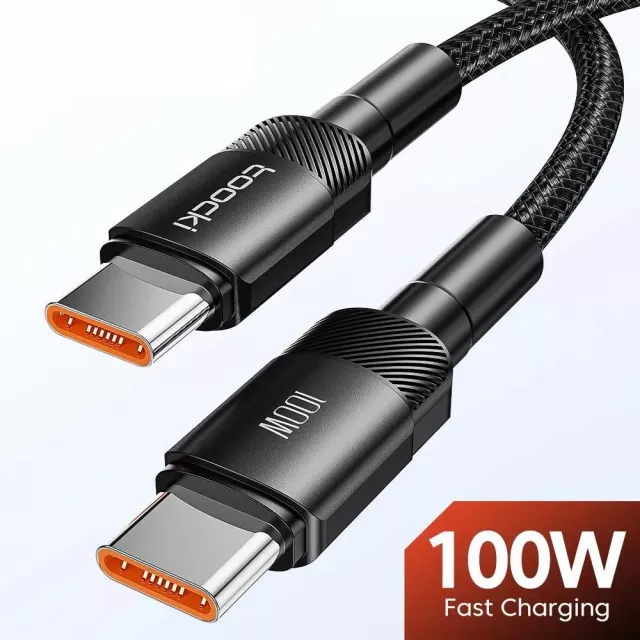
To benefit from higher wattage, you also need the right USB-C cable. Many USB-C cables are limited to 60W (3A). For 100W charging (typically 5A), you’ll want a properly rated 100W/5A USB-C cable so the system can negotiate and deliver higher power safely.
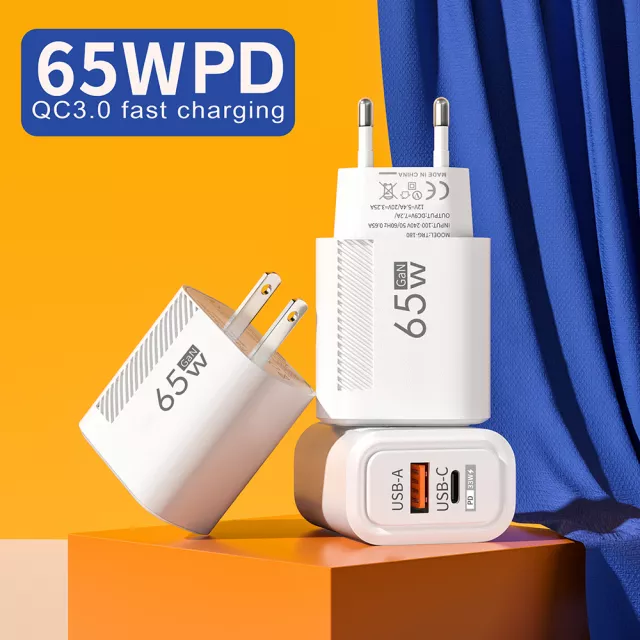
If you’re choosing a charger for USB-C fast charging, our guide on GaN wall chargers breaks down power levels, ports, and real-world use cases: https://splendona.com/guide-65w-gan-usb-c-wall-charger-quick-charge/.
Choose 60W if your devices top out at 60W or less and you want a compact everyday option. Choose 100W if you have a laptop that can draw above 60W, you charge while working, or you want extra capacity for multi-device charging.
Neither is universally “better”—the best choice matches your device’s maximum input. A 100W charger is more flexible across more laptops, while 60W is often smaller and plenty for phones, tablets, and many ultrabooks.
Yes. A 100W-rated USB-C cable works perfectly with a 30W charger and a 30W device; the system will simply operate at 30W (or whatever the device requests).





Leave a comment