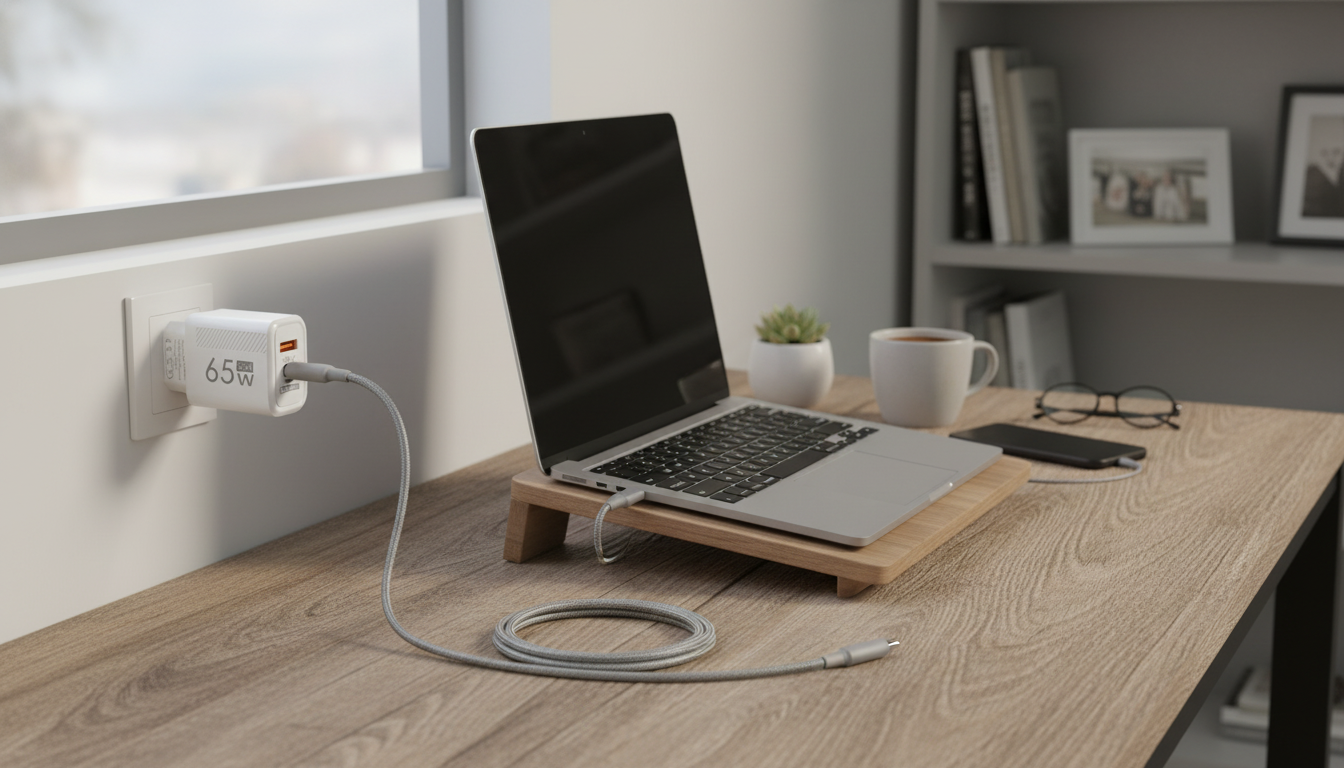
It depends on how you use your device and what you’re charging. A fast charger (like modern USB-C Power Delivery or Quick Charge models) is ideal when you need a quick top-up, while a regular charger is a simple, steady option for overnight charging or low-power accessories. With the right charger and cable, both can be safe and effective.
Fast chargers shine when you’re busy: quick boosts before leaving the house, keeping a phone alive during travel days, or powering tablets and lightweight laptops that expect higher wattage. The key advantage is smart power negotiation—your device “asks” for what it can take, and the charger ramps up within those limits.
A regular charger can be perfectly fine for overnight charging, earbuds, smartwatches, and older phones that don’t support faster standards. If your device tops out at a lower input, a fast charger won’t necessarily speed things up—your device will simply charge at its maximum supported rate.
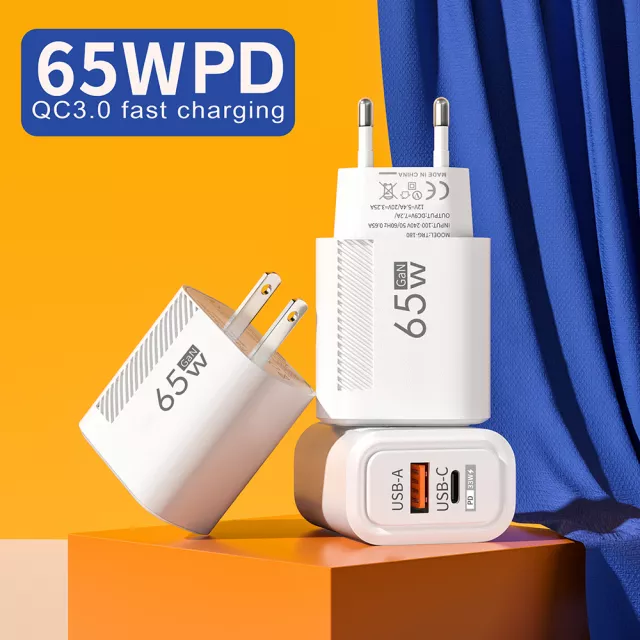
To get true fast charging, your device must support the same standard as the charger (commonly USB-C PD for many newer devices). Wattage matters too: higher-watt chargers are helpful for tablets and laptops, while phones typically need far less. If you’re exploring efficient higher-power options, our team put together a deeper guide you can use as a reference: 65W GaN USB-C wall charger quick charge guide.
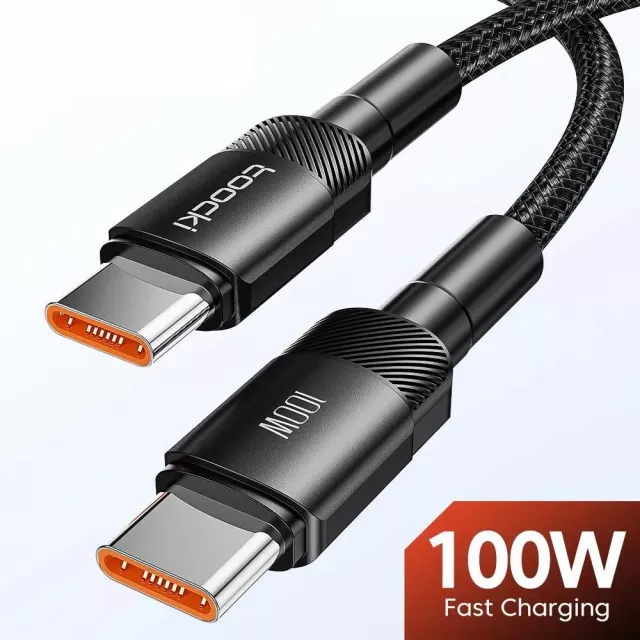
The cable is part of the charging system. For USB-C fast charging, use a quality USB-C cable rated for the power level you need. A weak or mismatched cable can slow charging, cause disconnects, or run hotter than it should.
If you want speed, use a fast charger when you need it and unplug once you’re topped up. If you want simplicity, a regular charger works well for long, unattended sessions. In both cases, keep chargers ventilated (not under pillows or in tightly packed bags) and replace frayed cables immediately.
Fast charging is designed to be managed by your device and charger, but heat is the main factor that can impact battery longevity. If your phone gets unusually hot, switch to a lower-power charger, improve ventilation, or avoid charging while doing heavy tasks.





Leave a comment