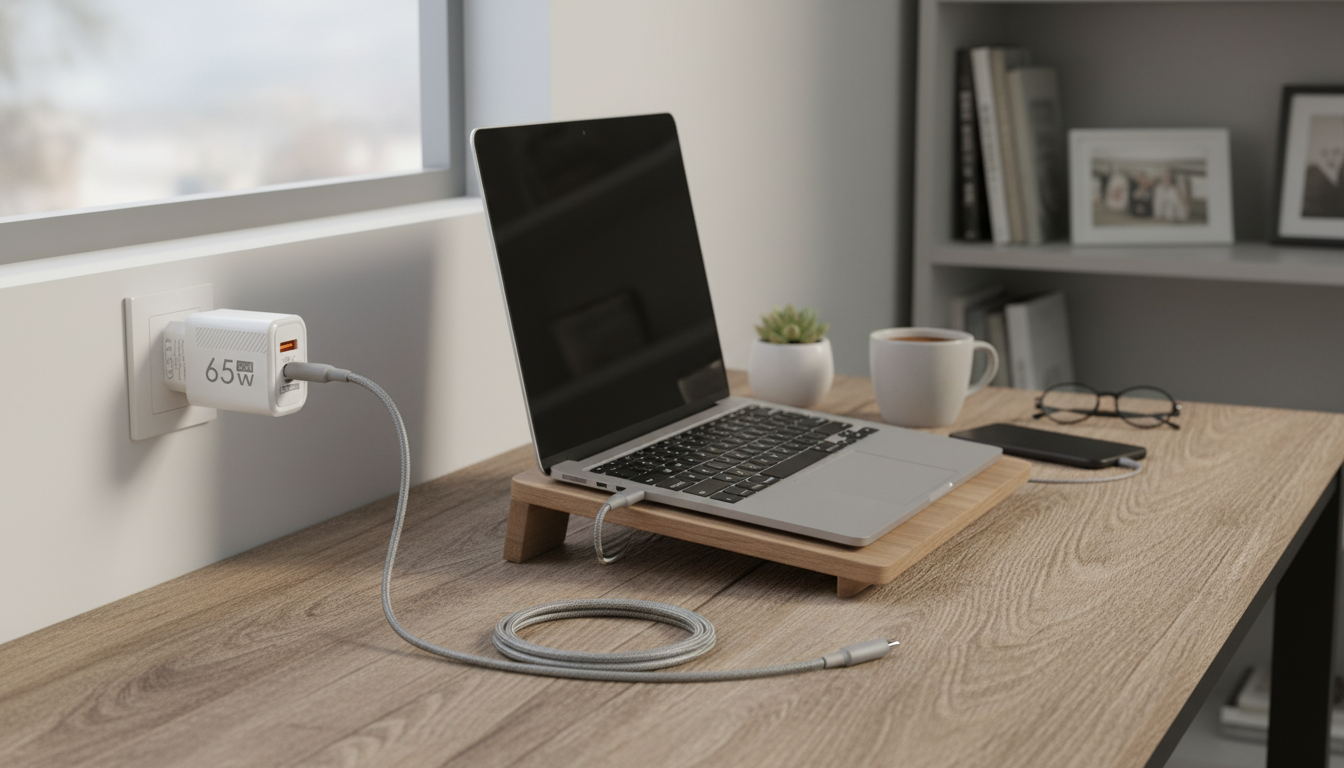
Yes—using a fast charger on your iPhone is generally okay, as long as you’re using a quality charger and cable that follow modern USB-C Power Delivery (USB-PD) standards. Your iPhone controls how much power it draws, so pairing it with a higher-wattage adapter doesn’t force extra power into the phone. Instead, the phone “asks” for what it can safely take, then tapers charging speed as the battery fills.
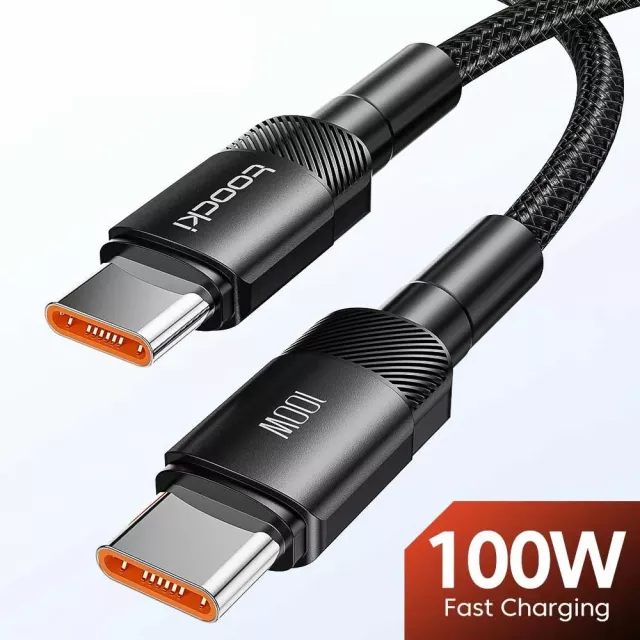
Most recent iPhones can fast charge when connected to a USB-PD charger with adequate wattage (commonly 18W or higher) and a compatible cable (USB-C to Lightning for Lightning iPhones, or USB-C to USB-C for USB-C iPhones). You’ll typically notice the biggest speed boost from 0–50%, while charging slows down later to protect battery health and manage heat.
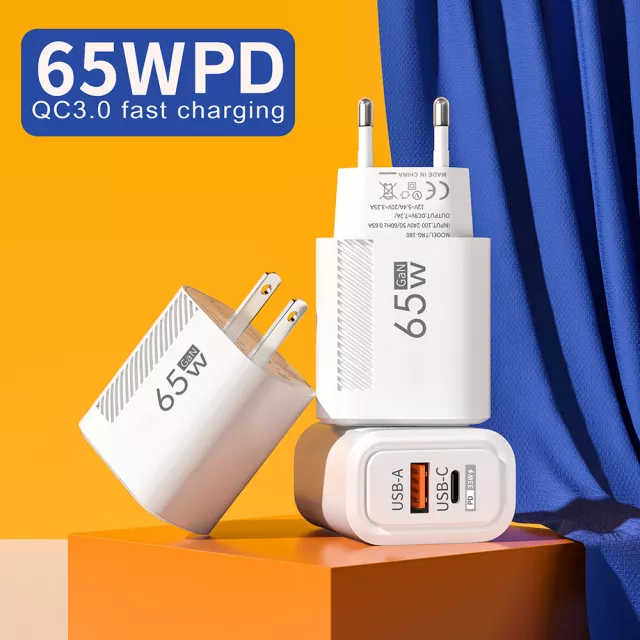
No—using a 65W USB-C charger is usually fine because your iPhone will only draw the power it supports. Higher-wattage adapters can be convenient if you want one charger for multiple devices (like a phone plus an iPad or laptop). The key is choosing a well-built USB-PD charger with solid temperature and power protections.
Our team recommends focusing on three things: a reputable USB-PD wall charger, the right cable type, and heat management. If your phone feels hot while charging, remove thick cases, avoid charging in direct sun, and skip heavy gaming or GPS navigation during a fast-charge session. Heat—not wattage—is typically what shortens long-term battery lifespan.
If you want a compact, travel-friendly option that can fast charge an iPhone while also handling other devices, a GaN charger is a popular choice because it can deliver high power in a smaller body. For deeper guidance on choosing wattage, ports, and quick-charge features, see our detailed guide here: https://splendona.com/guide-65w-gan-usb-c-wall-charger-quick-charge/.
Fast charging can increase heat, and heat is the main factor that can accelerate battery wear over time. Use a quality USB-PD charger and keep the phone cool to minimize impact.





Leave a comment