
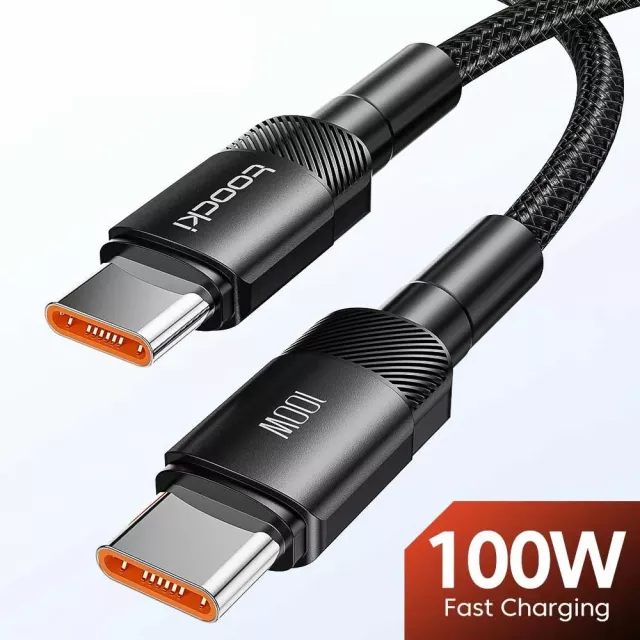
Yes. A 100W-rated USB-C cable is safe to use with a 30W charger, and it will simply carry whatever power the charger and your device negotiate—up to 30W (or less). The wattage printed on a cable is its maximum supported power, not a minimum requirement.
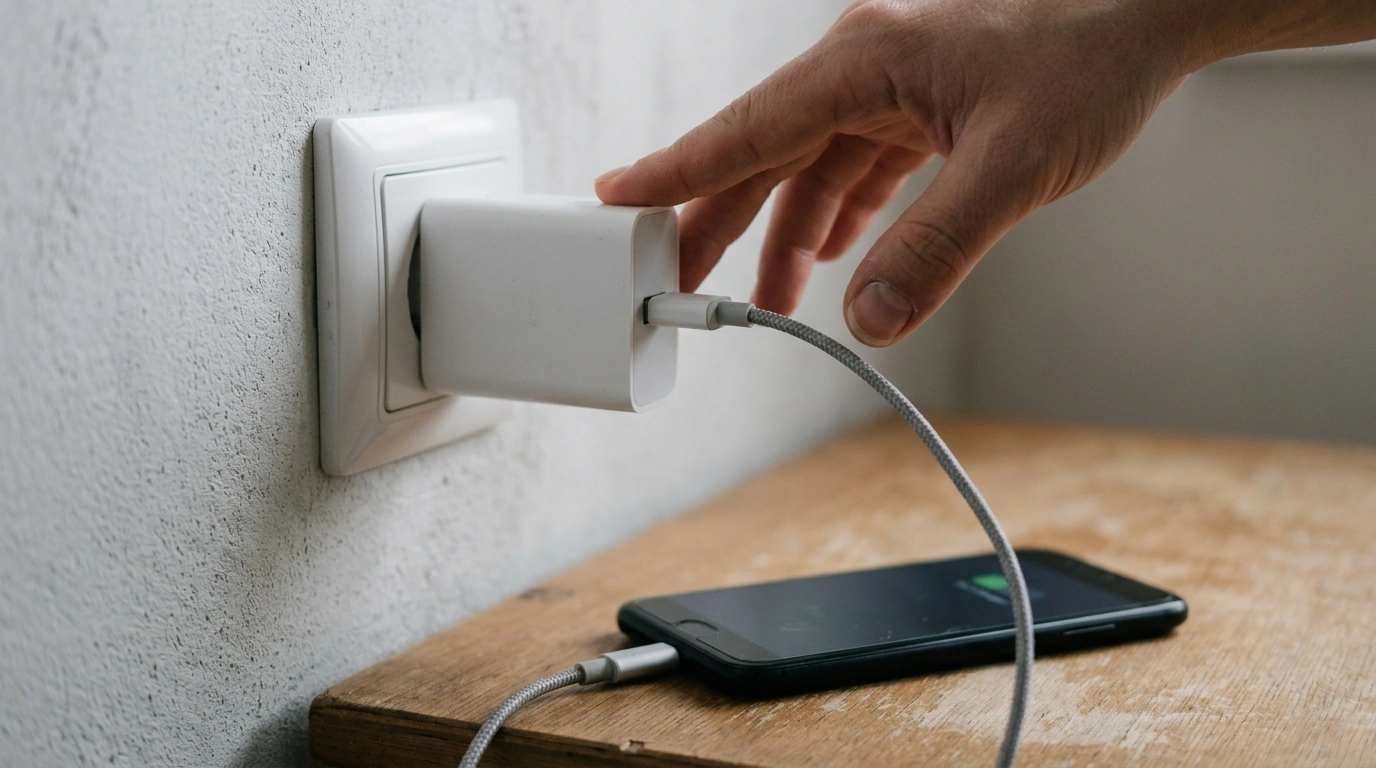
USB-C charging is a negotiation between three parts: the charger, the cable, and your device. Your device requests a certain voltage/current, your charger offers certain power profiles, and the cable’s job is to safely handle the current. A 100W cable is built to handle higher current than a basic cable, so using it with a 30W adapter is well within its limits.
Many 100W USB-C cables include an e-marker chip, which helps devices and chargers confirm what the cable can support. That’s good—it doesn’t “force” 100W into anything. The only time you may run into issues is if the cable is poorly made or not truly USB-C PD compliant. For reliable charging, choose a well-built USB-C to USB-C cable with proper PD support, solid connectors, and appropriate length for your setup.
Not automatically. A 100W cable won’t make a 30W charger output more than 30W. You may see more consistent performance if your old cable was limiting charging due to high resistance, damage, or lack of PD support, but the charger remains the main cap.
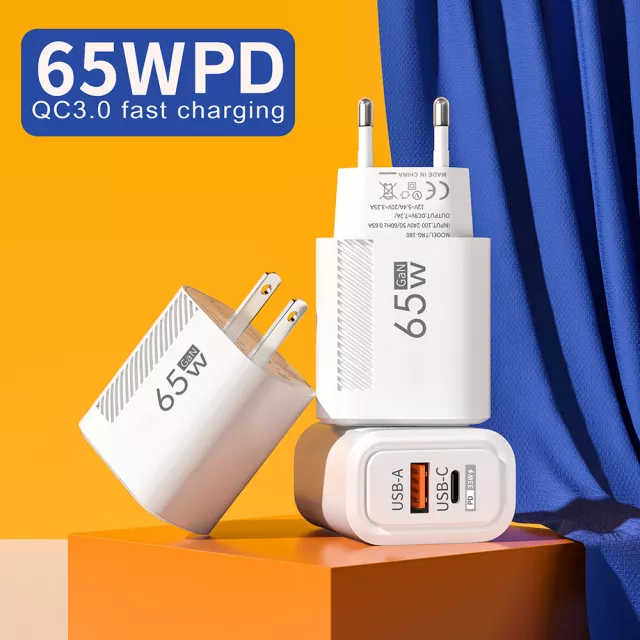
If you plan to upgrade to a higher-power adapter later (45W, 65W, or 100W), buying a 100W cable now helps future-proof your setup. Our team often recommends pairing a PD-capable cable with a modern GaN USB-C wall charger for a compact, travel-friendly kit. For more on choosing the right charger, visit our guide here: https://splendona.com/guide-65w-gan-usb-c-wall-charger-quick-charge/.
Yes. Longer cables can introduce more resistance, which may slightly reduce charging efficiency, especially at higher power. A shorter, high-quality cable is typically best for stable fast charging.




Leave a comment