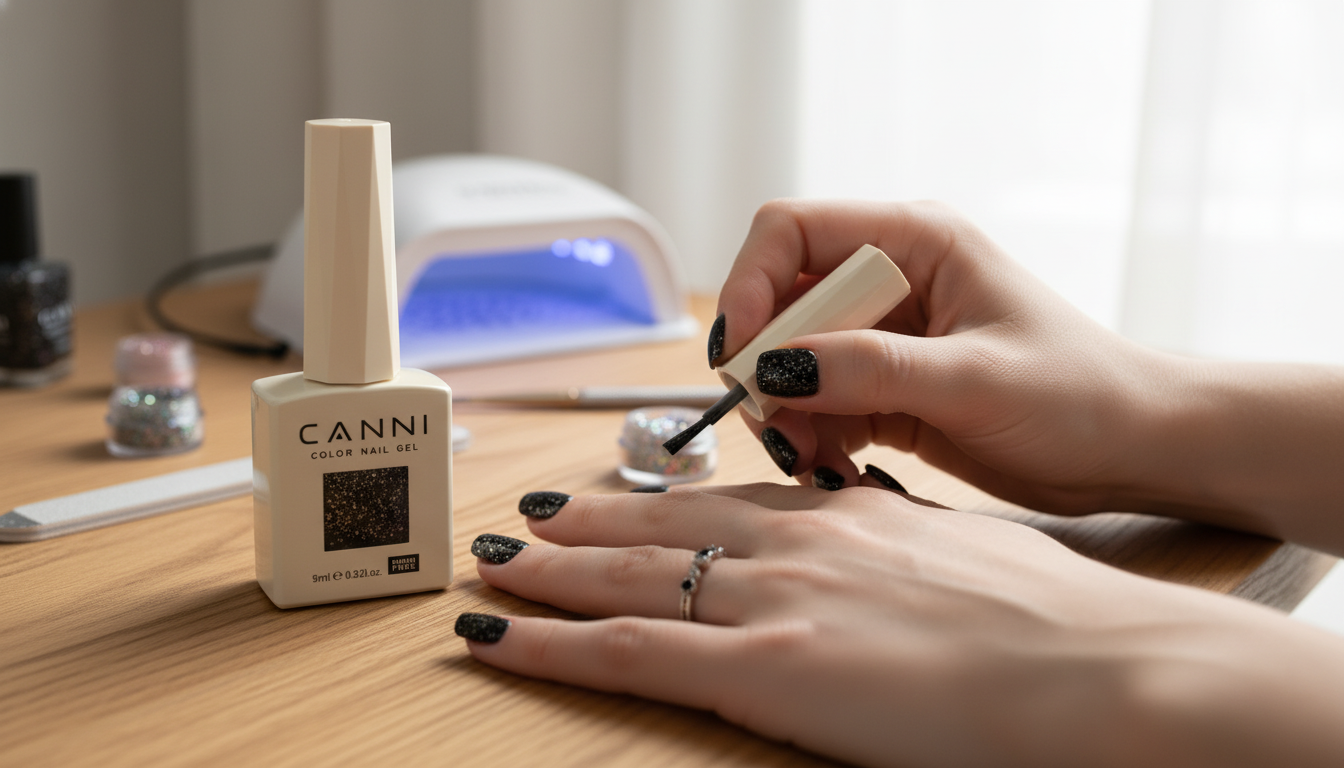
Yes. TPO gel polish can cause side effects, especially if uncured product touches your skin or you develop an allergy to an ingredient. TPO, short for trimethylbenzoyl diphenylphosphine oxide, is a photoinitiator that helps some gel formulas harden under a UV or LED lamp. The main concern during use is skin contact with uncured gel—not the appearance of a properly applied manicure.
Irritation may show up as redness, itching, burning, or tenderness around your nails. An allergic reaction can also cause swelling, peeling, tiny blisters, or a rash that extends beyond your fingertips. These symptoms may appear after repeated manicures, even if you have used gel polish before without a problem. TPO is not the only possible trigger: other ingredients in gel polish, including acrylates, can also cause reactions.
If you notice a reaction, stop using the product and avoid applying more gel over the affected nails. Seek advice from a healthcare professional, particularly if symptoms persist, spread, or are severe. Identifying the ingredient responsible can help you make safer choices later.
Apply gel in thin, controlled coats and keep it off your cuticles and surrounding skin. If uncured polish gets on your skin, remove it before curing. Follow the polish maker’s curing directions and use a compatible lamp; a surface that feels hard does not necessarily mean every layer has cured as intended. Do not use gel polish on broken or irritated skin.
Be gentle during removal, too. Peeling or scraping off gel can damage the nail plate, while careless filing or soaking may irritate nearby skin. If gel manicures regularly leave your nails or skin sore, take a break rather than covering the problem with another coat.
UV or LED curing lamps also expose your hands to ultraviolet light. If that concerns you, consider fingerless UV-protective gloves or sunscreen on the backs of your hands, while keeping the nail surfaces clean for application. For more on application and long wear, see our guide to black diamond glitter gel polish.
Our team recommends choosing products whose ingredients you can review, following their directions, and stopping use if your skin reacts. If you already know you are sensitive to a gel ingredient, do not assume a different shade or brand will be safe.
It is best to wait if your nails or surrounding skin are broken, painful, or irritated. Applying gel over damaged areas can worsen discomfort and make it harder to notice a developing reaction.






Leave a comment