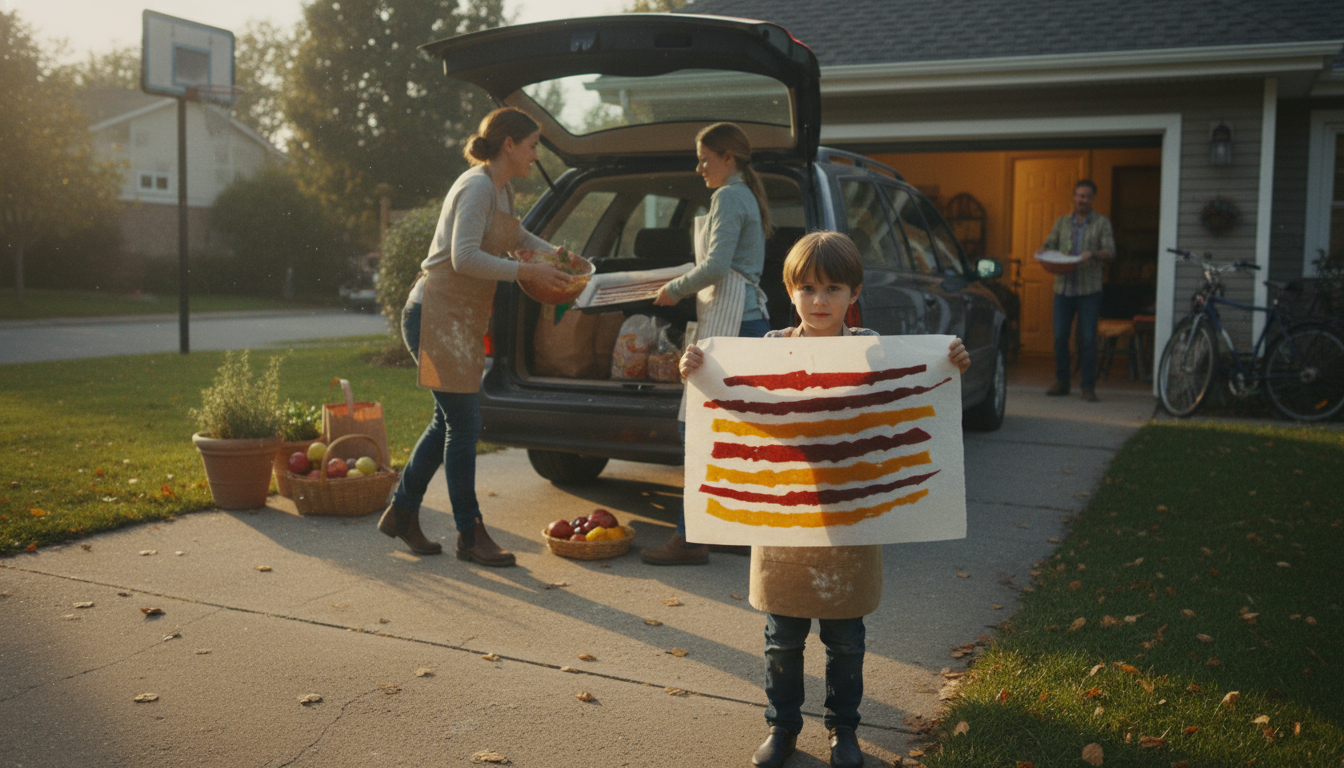
Yes. Parchment paper is one of the easiest and most reliable surfaces for making fruit leather because it’s nonstick, oven-safe, and helps you peel the finished sheet off cleanly. It also makes cleanup simple—just lift the whole sheet out when it’s done.
Line a rimmed baking sheet with parchment paper, pressing it flat into the corners. For extra security, a few dabs of puree under the corners can “glue” it down so it doesn’t shift when you spread.
Pour blended fruit puree onto the parchment and spread it into an even layer. Aim for a consistent thickness across the whole sheet so it dries at the same rate. If the edges are too thin, they’ll turn brittle before the center is ready.
Dry the puree in a low oven (often 140–170°F, depending on your oven) or a dehydrator set to a similar temperature. The fruit leather is done when it feels dry and slightly tacky but doesn’t leave wet spots on your finger. Drying time varies widely based on thickness, fruit type, and humidity.
Let it cool, then peel the leather off the parchment. Cut into strips and roll, or cut into squares. Store in an airtight container; if it feels too sticky, separate pieces with small parchment squares.
Use real parchment paper, not wax paper. Wax paper can smoke or melt in the oven. Also avoid using bare metal trays—fruit leather tends to weld itself to the pan. If you’re choosing between parchment and silicone mats, parchment typically releases more cleanly and makes rolling easier.
For more fruit leather inspiration and a fun, fruit-leather-themed accessory guide, visit this Splendona article.
Yes. A low-temperature oven works well; just keep the heat gentle and allow enough time for the puree to dry evenly without browning.




Leave a comment