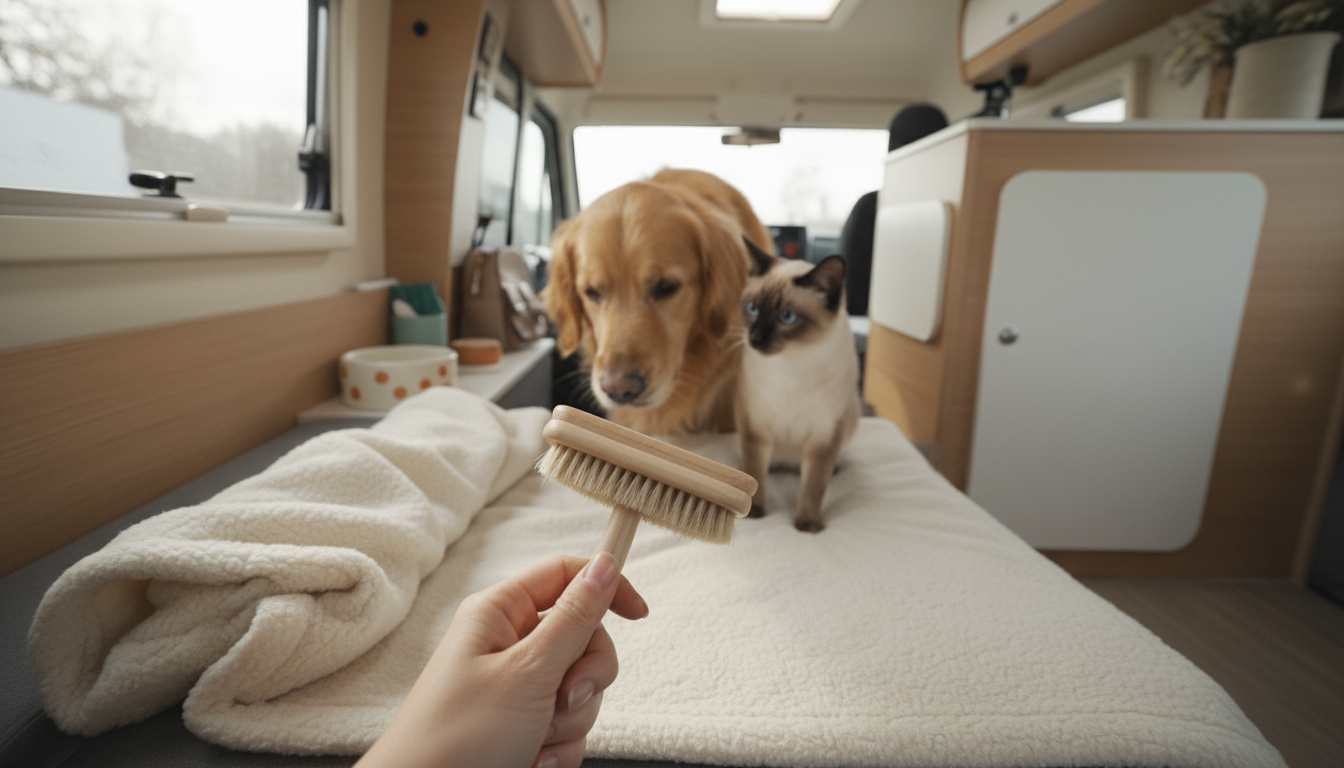
You can sometimes use the same type of brush for dogs and cats, but sharing one physical brush between them isn’t ideal. Even healthy-looking pets can carry fleas, ringworm spores, bacteria, yeast, or skin oils that transfer on grooming tools. If one pet has itchy skin, dandruff, hot spots, or any suspected parasites, a shared brush can spread the problem and make treatment harder.
A single brush used on both pets becomes riskier when either animal goes outdoors frequently, visits groomers or boarding, or has a history of skin flare-ups. Long-haired coats also trap more debris and moisture, which can cling to bristles and pass to the next pet.
Dogs and cats can have very different coat density and skin sensitivity. A slicker brush that works on a double-coated dog may feel too harsh on a cat, while a soft bristle brush that’s gentle for a short-haired cat may not remove undercoat from a shedding dog. The safest “shared” option tends to be a gentle rubber curry or soft grooming glove for light deshedding and surface dirt—provided both pets tolerate it and the tool is sanitized.
The simplest solution is to keep separate brushes labeled for each animal. This reduces cross-contamination, lets you choose the right tool for each coat type, and makes it easier to track skin changes (like flakes or scabs) that might be hidden by shared debris.
Remove hair first, then wash the brush with warm water and mild soap. Disinfect when appropriate using a pet-safe method (for many tools, a diluted disinfectant followed by thorough rinsing and complete drying works well). Replace brushes that have cracked handles, bent pins, or buildup you can’t fully remove.
For a deeper breakdown of coat-specific tools and hygiene tips, read the full guide here: https://splendona.com/blog/can-you-use-the-same-brush-for-dogs-and-cats/.
Remove trapped hair after every grooming session, and wash the brush regularly (weekly for frequent grooming, or at least monthly for occasional use). Clean more often if your pet has dandruff, oily skin, or any suspected skin infection.





Leave a comment