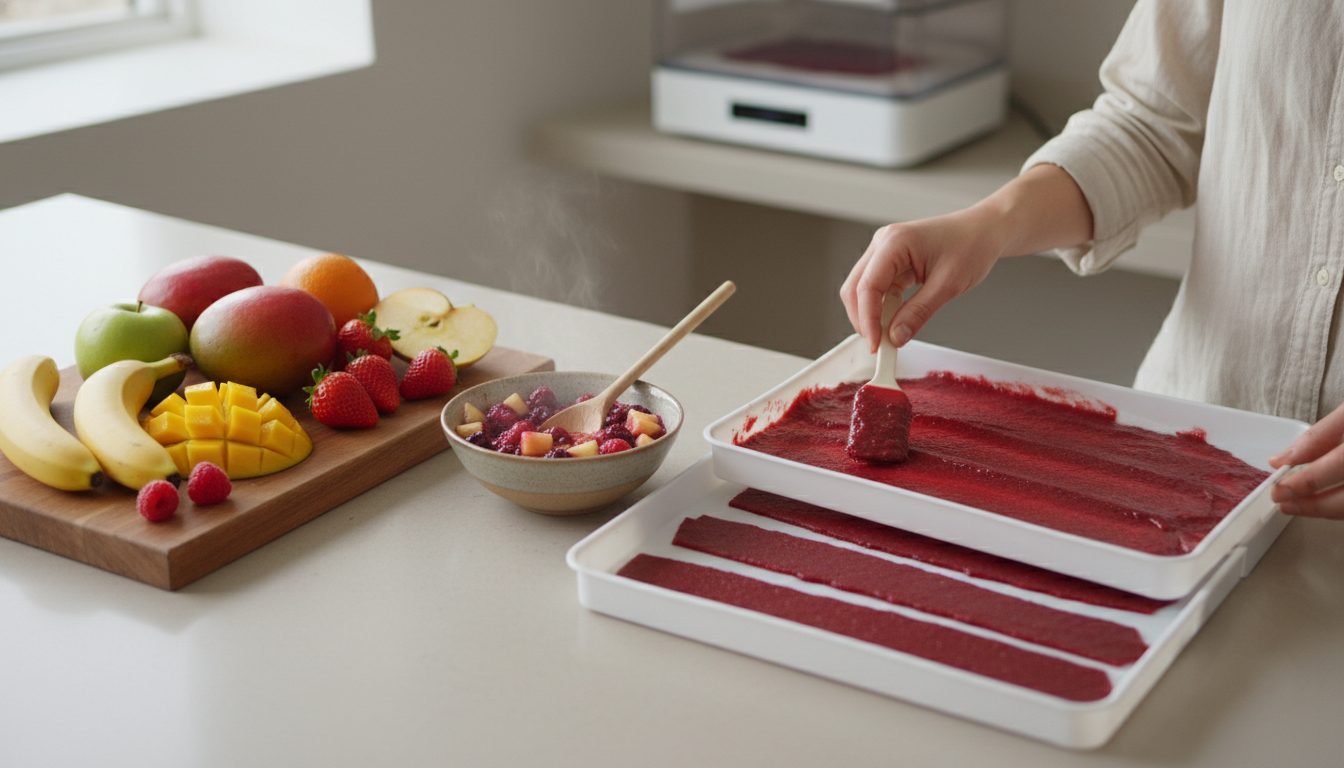
No—most fruit leather recipes don’t require you to cook the fruit first. If the fruit is naturally soft and ripe (like berries, mango, peaches, or ripe bananas), you can usually blend it into a smooth purée, sweeten or flavor it if desired, then dry it in a dehydrator or low oven until it becomes pliable.
That said, lightly cooking fruit can be helpful in a few common situations. It can soften firm fruit (like apples or underripe pears), make blending easier, and create a smoother texture. Gentle simmering also reduces extra liquid in very juicy fruit, which can shorten drying time and help the leather set more evenly. Some people also prefer cooking to mellow tartness or to dissolve added sweeteners and spices more completely.
Cooking is a smart step when you’re working with fruit that’s fibrous, firm, or prone to a gritty purée. Apples, quinces, and some stone fruits often benefit from a short cook to break down the flesh. It can also help when you’re combining fruits and want a consistent, uniform texture across the whole batch.
If you have ripe, tender fruit and a strong blender, you can usually skip cooking and go straight to drying. Just wash the fruit well, remove pits/seeds/inedible peels, blend until smooth, and spread the purée evenly on a lined tray. For food safety and quality, use clean equipment and refrigerate purée if you’re not drying it right away.
Whether you cook or not, aim for a smooth purée and an even layer on your tray—uneven thickness is one of the biggest reasons fruit leather dries patchy (brittle edges and sticky centers).
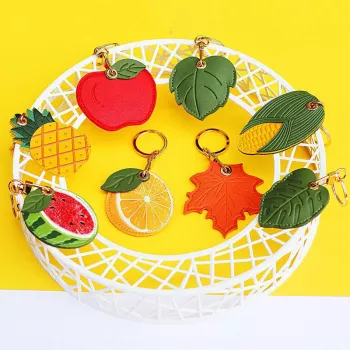
For a fun, giftable twist—and a detailed guide that pairs the snack theme with a playful accessory—check out this cartoon fruit leather AirTag keychain case guide.
Dry it until it’s pliable but not wet to the touch, then let it cool completely before peeling and storing. Wrap pieces in parchment or wax paper and store in an airtight container to prevent moisture from making the surface tacky.



Leave a comment