
Usually, no. Traditional “regular” nail polish (the air-dry kind removed with standard nail polish remover) is typically formulated with film formers, solvents, plasticizers, and pigments—not photoinitiators like TPO. TPO (trimethylbenzoyl diphenylphosphine oxide) is most commonly associated with UV/LED-cured gel systems because it helps those products harden when exposed to a curing lamp.
TPO is primarily used in products that cure through light exposure, such as gel polish, builder gels, and some gel-like hybrid formulas. If a product requires a UV/LED lamp to fully cure, there’s a higher chance it may contain TPO or another photoinitiator.
The most reliable way to know is to check the ingredient list on the bottle, outer carton, or the brand’s official website. Look for “TPO” or its full chemical name. If ingredients aren’t clearly provided, reach out to the manufacturer and ask for the full INCI/ingredient disclosure or a safety data sheet.
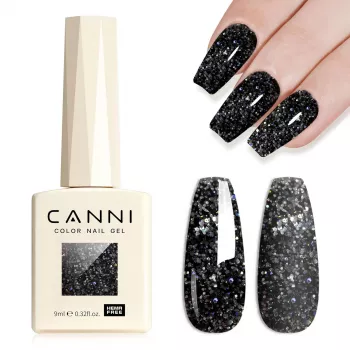
Regular polish dries as solvents evaporate, so it doesn’t need light-activated ingredients. Gel polish cures by chemical reaction triggered by a lamp, which is why photoinitiators are part of many gel formulas. If you’re comparing long-wear finishes, curing methods, or what to expect from UV/LED products, this guide offers helpful context: Black Diamond Glitter Gel Polish: Long Wear UV/LED Guide.
For Regular Nail Polish and TPO: What’s Actually Inside, the best answer depends on fit, material, care instructions, and how the product will be used day to day.
Regular polish air-dries as solvents evaporate, while gel polish cures (hardens) under a UV/LED lamp. Gel typically lasts longer, but it also requires curing and specific removal methods.





Leave a comment