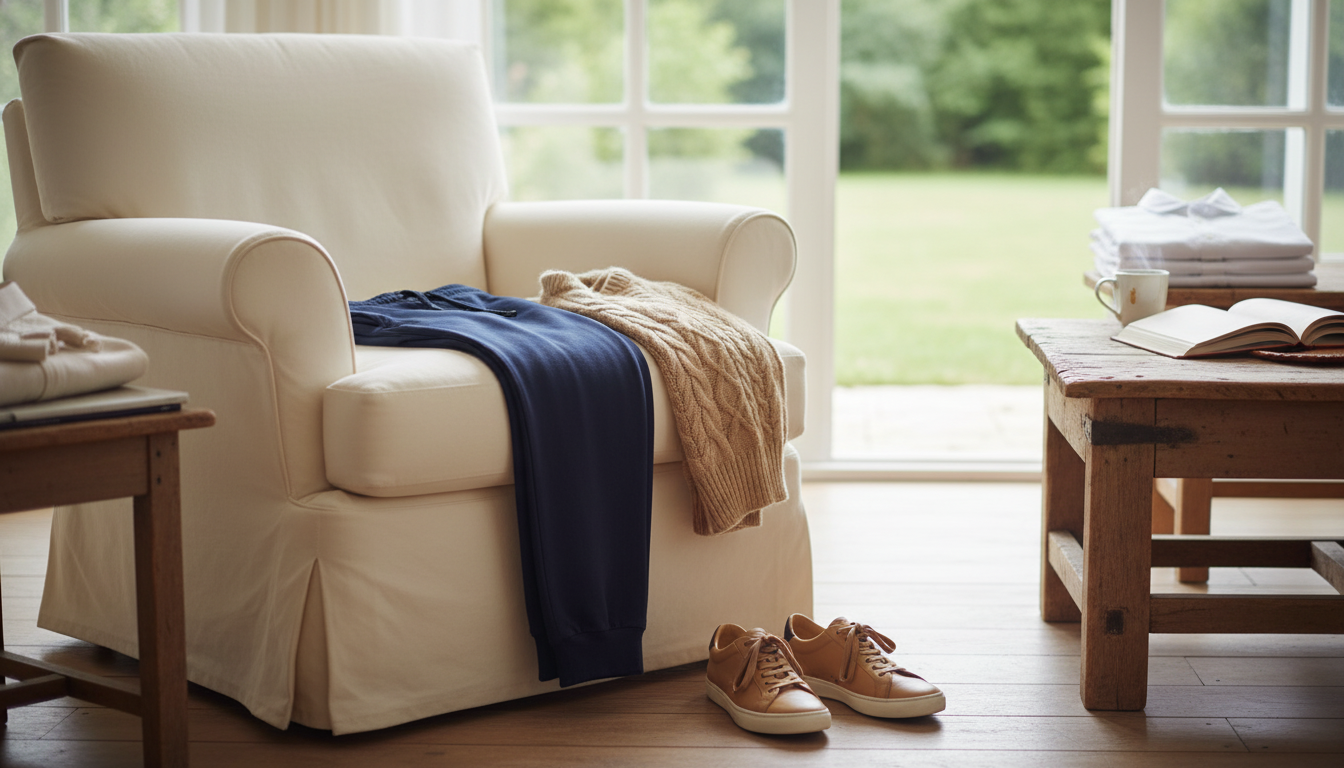
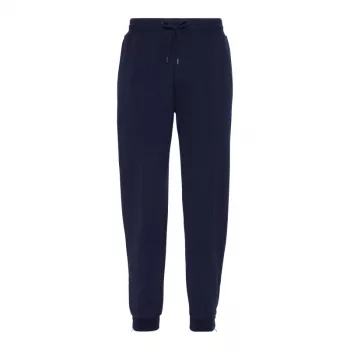
Brunello Cucinelli’s cotton jogger sweatpants are built for the moments when comfort is non-negotiable but you still want a refined finish—think airport days, coffee runs, weekends away, and relaxed city dressing. The appeal is simple: a soft, premium cotton feel paired with a silhouette that reads intentional rather than purely athletic. If you’re considering a pair, the details matter more than the logo: fabric weight, stitch quality, elastic recovery, and how cleanly the leg tapers all influence whether they look “polished lounge” or “gym warm-up.”
Below is a practical guide to what typically sets this style apart, how to evaluate cotton quality and construction, how they should fit, and the care routine that helps premium cotton stay smooth and presentable for seasons.
Luxury joggers earn their keep when they can move between settings without looking like dedicated sportswear. Brunello Cucinelli cotton joggers are often chosen for that balance: ease where you want it, structure where you need it, and finishing that keeps the look streamlined.
Cotton quality isn’t just about softness on day one. Staple length, yarn consistency, and finishing all affect how the fabric wears—how well it resists pilling, whether it keeps its color, and how it drapes after repeated washing. A premium cotton jogger should feel substantial enough to hang cleanly rather than cling, while still staying comfortable against the skin.
When evaluating construction, focus on the high-stress areas: seams, pocket openings, waistband, and cuffs. Even stitching with no loose threads usually signals better durability and a more stable shape. Elastic recovery matters as much as comfort—if the waistband or cuffs relax too quickly, the joggers can look sloppy sooner than they should.
| Area | What to Look For | Why It Matters |
|---|---|---|
| Fabric surface | Smooth, consistent knit; minimal fuzz | Helps reduce pilling and keeps a refined look |
| Seams | Even stitching; no loose threads | Durability and better drape |
| Waistband | Elastic snaps back; drawstring slides cleanly | Maintains fit and comfort over time |
| Cuffs/ankles | Neat finish; not overly tight | Tapered silhouette without discomfort |
| Pockets | Reinforced openings; lays flat | Prevents stretching and bulk |
The best fit cue is a clean taper that still moves. You want comfort through the seat and thigh, then a gradual narrowing toward the ankle without pulling at the knee or creating diagonal stress lines. The fabric should drape—if it’s clinging through the thigh, sizing or the cut may be off for your build.
If you’re between sizes, decide what matters most. A true-to-size fit typically gives a sharper profile with less excess fabric. Sizing up can create a more relaxed drape (and sometimes better comfort when seated or traveling), but too much volume can make the jogger look less intentional.
When in doubt, keep the top half simple and refined. Joggers look most expensive when the outfit avoids competing details—clean lines, minimal branding, and a cohesive palette.
A premium jogger is only “everyday” if it matches your climate, your footwear, and how you actually plan to wear it. Narrow your options with a few practical decisions.
If sustainability or fiber sourcing is part of your decision, it can help to get familiar with how the industry discusses materials and standards through resources such as Textile Exchange.
| Step | Best Practice | Avoid |
|---|---|---|
| Washing | Gentle cycle, inside out, mild detergent | Hot water, heavy-duty cycles |
| Drying | Air-dry or low heat | High heat tumble drying |
| Iron/steam | Low heat or steam with a cloth barrier | Direct high heat on elastic areas |
| Storage | Fold and place in a drawer/shelf | Hanging for long periods |
For brand reference and product context, use the Brunello Cucinelli official website to compare styling cues and finishing details. If you’re evaluating country-of-origin language in listings, the FTC’s guidance on origin claims is a useful baseline for understanding how “Made in” claims are generally handled.
Brunello Cucinelli commonly uses premium natural fibers such as cotton, wool, cashmere, linen, and silk. The exact fiber composition varies by style and season, so check the product specifications and the care label on the specific joggers.
Many Brunello Cucinelli items are associated with Italian manufacturing, but production can vary by product category and specific style. Confirm the country of origin by checking the garment label and the retailer’s documentation for that exact piece.
Look closely at label quality and typography, stitching consistency, and the overall hand-feel of the fabric—authentic luxury pieces typically feel substantial and finish cleanly. Also evaluate hardware and drawstring quality, inside tags and country-of-origin details, and be cautious of pricing that seems far below normal market levels.




Leave a comment