
Hybrid earphones combine multiple driver types to deliver fast bass, clear vocals, and finely textured treble without the bulk of full-size headphones. This guide breaks down how hybrid designs work, which specifications affect real-world listening, and how to choose a comfortable, well-matched pair for a phone, a dongle DAC, or a dedicated player. For more guidance, see Best Headphone Reviews – Consumer Reports.
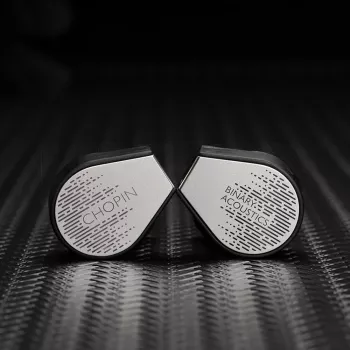
A “hybrid” in-ear monitor (IEM) uses two or more driver technologies inside each earpiece. The most common recipe pairs a dynamic driver for low frequencies with balanced armatures handling mids and treble. The goal is straightforward: keep bass impact natural and physical while improving separation, air, and microdetail up top. For further reading, see FiiO FH5 In Ear Headphones – Review – HeadMania.
To make multiple drivers behave like one coherent speaker, hybrids rely on crossovers—either electrical components in the shell or acoustic damping and tubing that shape how sound reaches your ear. Driver count alone doesn’t guarantee better sound; crossover design and careful tuning determine whether transitions between bass, mids, and highs feel seamless or disjointed.
Because fit and measurement rigs can influence perceived tuning, many reviewers reference standardized couplers when discussing frequency response. For deeper technical context, the IEC’s occluded-ear simulator standard (often called a “711 coupler”) is a common reference point: IEC 60318-4.
Hybrid earphones mix and match driver behaviors. Understanding what each driver tends to do well helps set expectations before comparing graphs or reading impressions.
| Configuration | What it often emphasizes | Who it tends to suit |
|---|---|---|
| 1DD + 1BA | Balanced bass with added vocal/treble clarity | Listeners wanting an all-rounder for mixed genres |
| 1DD + 2–4BA | Greater separation and detail; more sculpted mids/treble | Those who like precise imaging and layered mixes |
| 1DD + BA + EST | Bass weight with very extended, airy highs | Treble-sensitive listeners should audition first |
| DD + planar/BA (varied) | Fast attack with punch; highly dependent on tuning | Detail seekers using a capable source |
Hybrids can be tuned in many directions, and tuning will shape enjoyment more than driver labels. A quick way to narrow options is to pick a signature that matches both your library and your fatigue tolerance.
Fit is performance. The same earphones can sound bass-light and thin with a poor seal, then suddenly deep and spacious with the right tips. If you want reliable bass, stable imaging, and consistent tonality, treat fit as part of the “spec sheet.”
Two numbers get quoted constantly—impedance and sensitivity—but real drivability can be more complicated. Some multi-driver designs respond best to a cleaner source with better current delivery, especially when the crossover and BA impedance curves interact with the source.
For a sense of how test labs evaluate isolation, distortion, and frequency response consistency, RTINGS provides a clear overview of headphone measurement practices: RTINGS — Headphones Test Methodology.
| Decision point | What to look for | Why it matters |
|---|---|---|
| Tuning | Warm / neutral / V-shaped preference | Determines long-term enjoyment and fatigue |
| Fit | Secure seal, comfortable insertion depth | Controls bass, staging, and consistency |
| Source | Low output impedance, adequate power | Maintains intended tonality and dynamics |
| Cable/connector | Replaceable cable, compatible connector | Longevity and easy upgrades |
| Isolation | Passive noise reduction level | Improves detail audibility in noisy places |
They’re commonly called in-ear monitors (IEMs) or high-fidelity earphones. “IEM” is widely used for wired, seal-in-the-ear designs aimed at accurate sound and solid isolation.





Leave a comment