
Making space for yourself does not have to mean rearranging your entire day. A glass of water, a quiet pause, or a conversation with someone you trust can be a small way to care for yourself amid everything else.
At Splendona, we offer The Self-Care Rituals Encyclopedia for anyone interested in exploring a more intentional approach to everyday care. Start where you are, and let your rituals be as simple and flexible as you need them to be.
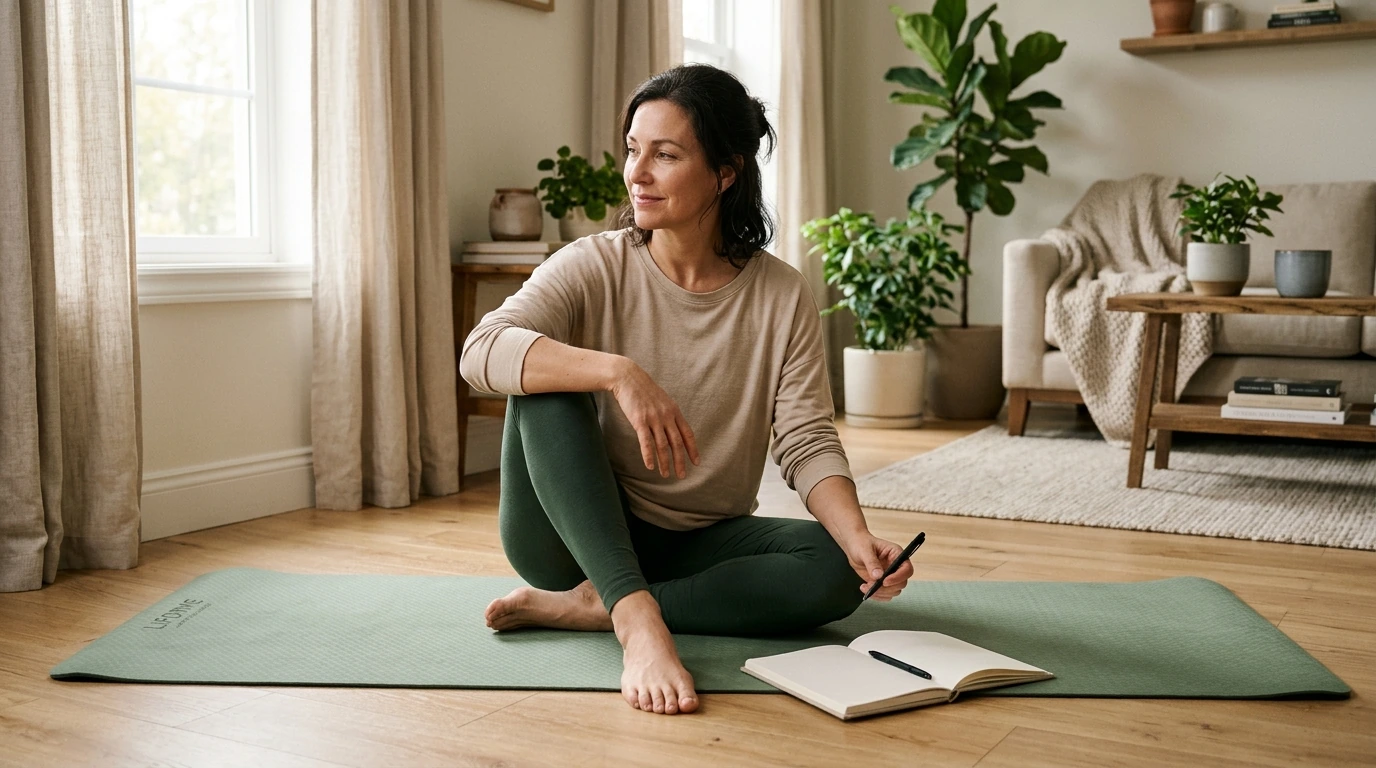
A ritual can be an ordinary action you return to with a little more attention. It might be preparing breakfast without rushing, stepping outside between tasks, or putting your phone down for a few minutes before bed. What matters is choosing something that feels useful to you, rather than trying to follow a perfect routine.
The Self-Care Rituals Encyclopedia is a thoughtful choice if you want to explore the idea of self-care. We list it at $13.99, though the price is subject to change. Pair your curiosity with an open mind: a practice that works in one season of your life may need to change in another.
Self-care is not a checklist, and it is not a substitute for professional care when you need it. The National Institute of Mental Health offers guidance on caring for your mental health and recognizing when to seek help.
The following are general ideas, not a list of confirmed contents in The Self-Care Rituals Encyclopedia. Choose what suits your circumstances, preferences, and available time. You do not need to do all ten.
| Moment | Practice | A flexible starting point |
|---|---|---|
| Morning | Drink water | Keep a glass nearby when you wake up |
| Midday | Take a movement break | Walk or stretch in a way that feels comfortable |
| Afternoon | Connect with someone | Send a message or make a brief call |
| Evening | Wind down | Set aside a few quiet minutes before bed |
Think of these moments as invitations, not appointments you have to keep. If your mornings are busy, move the practice to lunch. If a walk is not accessible, a comfortable seated movement or a change of view may be a better fit.
One common wellness framework describes eight dimensions. These categories are prompts, not rules, and different frameworks use different terms or groupings. They also are not a claim about what the encyclopedia covers.
For another perspective on these dimensions, explore SAMHSA’s guide to wellness. You can focus on the areas that feel most relevant now rather than giving every dimension equal attention.
Begin with one practice and attach it to something you already do. For example, you might drink water after brushing your teeth or write a sentence while your tea steeps. Start with a manageable amount of time—even a minute gives you a chance to see how the practice feels.
Make the practical setup easy, too. If a brief call with a friend is part of your plan, keeping your phone charged can help. Our 65W GaN USB C Fast Wall Charger with Quick Charge is one option; make sure the charger and cable are compatible with your device.
When your schedule or needs change, adjust your ritual. A missed day is not a failure, and you can return to a practice whenever it serves you. Ready to make a little room for care? Explore The Self-Care Rituals Encyclopedia with our team at Splendona.
Ten examples are keeping a consistent bedtime, eating a nourishing meal, drinking water, taking a short walk, gently stretching, pausing to breathe, journaling, spending time outdoors, connecting with a friend, and setting a boundary. Your needs and preferences may differ.
One common framework includes physical, emotional, social, intellectual, spiritual, environmental, occupational, and financial wellness. Models and terminology vary, so use these dimensions as prompts rather than rules.
Choose one accessible practice and pair it with a routine you already have. Start small and adapt it as your needs or schedule change.





Leave a comment