Electric Heating Shoulder Massager with Vibration and Wireless Control
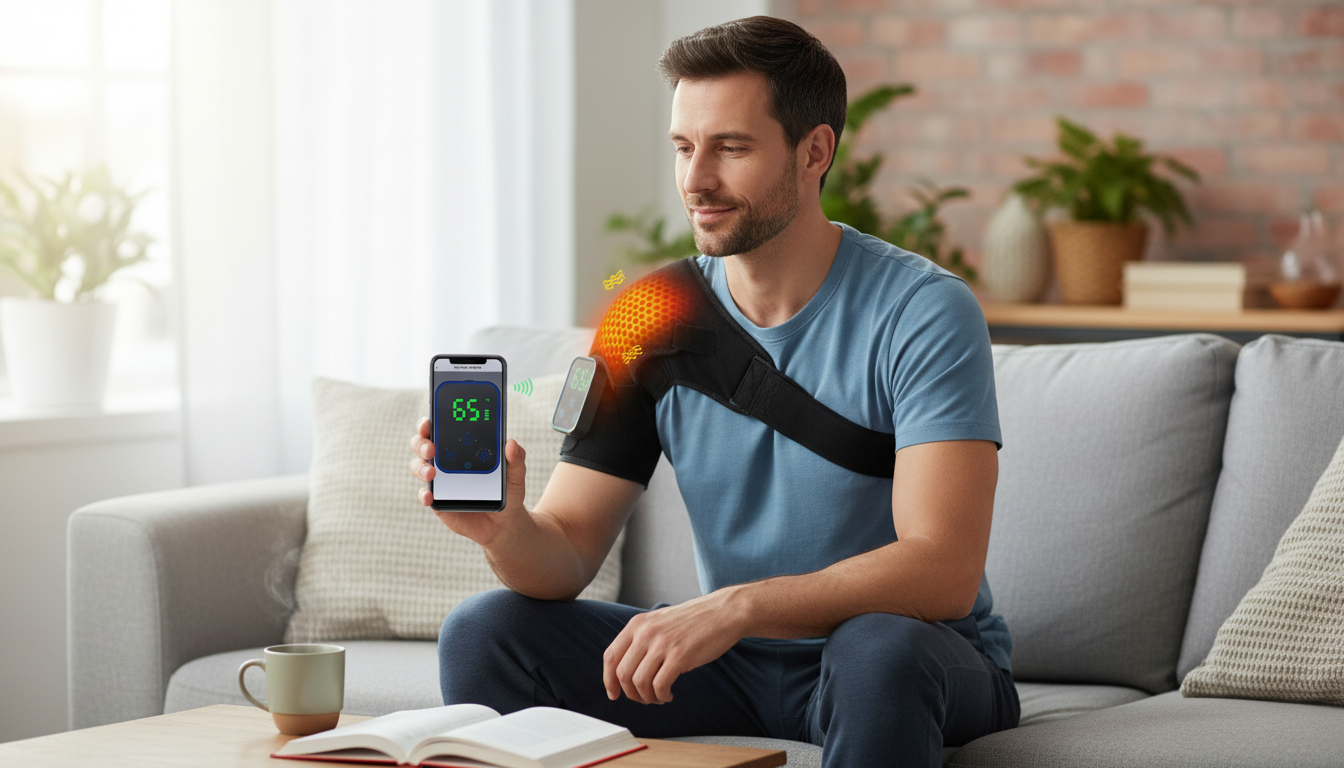
Tight shoulders can sneak up after long screen time, commuting, workouts, or stressful days. An electric shoulder massager that combines gentle heat with vibration—and adds wireless control for easy adjustments—is made to help relax tense muscles, support everyday comfort, and make quick relief simpler to fit into a routine at home or on the go.
What this type of shoulder massager is designed to do
These devices focus on the upper trapezius and upper-back area, where tension commonly builds. While designs vary, a typical heat-and-vibration shoulder massager is meant to:
- Deliver localized warmth to help loosen stiff, tight shoulder and upper-back muscles.
- Use vibration to create a rhythmic sensation that can feel soothing after long periods of sitting, driving, or repetitive motion.
- Offer wireless control so settings can be changed without reaching awkwardly or interrupting a session.
- Support relaxation and comfort as part of a daily routine; it isn’t a replacement for medical care when pain is severe, sudden, or persistent.
Heat and vibration: how they can support comfort
Heat and vibration serve different comfort roles, and pairing them can make sessions feel more “complete” for end-of-day tightness.
- Heat can increase the feeling of flexibility and ease in the warmed area, which is especially useful before gentle stretching. For guidance on when warmth is appropriate, see Mayo Clinic’s overview of heat therapy.
- Vibration provides a surface-level massage sensation that may help reduce the perception of tightness and promote relaxation after long desk days.
- Together, heat plus vibration can feel more effective than either alone for general shoulder fatigue—especially when used at moderate intensity rather than “maxing out” settings.
- Consistency matters: short, regular sessions are typically more comfortable than pushing high heat or high vibration for long periods.
If soreness is related to a strain or overuse, it may also help to understand the basics of muscle strains and recovery considerations from NIH MedlinePlus. For deciding between warmth and cold after activity, Cleveland Clinic’s heat vs. ice guide is a practical reference.
Wireless control: why it matters for shoulder devices
Shoulder placement is convenient for targeting tension, but it can make controls awkward—especially if buttons sit behind the neck or near the upper back. Wireless control helps by:
- Making it easier to adjust settings once the massager is in place, without twisting your arms or shifting posture.
- Allowing quick mode switching to match how the area feels: heat-only for gentle warmth, vibration-only for sensitivity, or combined for deeper relaxation.
- Supporting short “break sessions” during workdays or travel without setup hassle.
Key features to look for before choosing one
Comfort devices work best when they match your sensitivity, routine, and preferred intensity. Before choosing a shoulder massager with heat and vibration, check for:
- Heat settings: multiple levels and steady output for consistent comfort.
- Vibration modes: at least a few patterns or intensities, since some people prefer gentle pulsing while others like a stronger, steady setting.
- Fit and ergonomics: coverage across the trapezius and upper back without slipping; adjustable straps or contoured shaping can help keep the contact zones aligned.
- Power and portability: rechargeable battery life that matches typical sessions and straightforward charging.
- Controls: a clearly labeled remote or wireless controller that’s easy to use, even in low light.
- Safety: auto shut-off, overheat protection, and materials that feel comfortable against skin or light clothing.
Quick checklist for comparing shoulder massagers
| Feature |
What to check |
Why it helps |
| Heat levels |
2–3+ settings and stable warmth |
Lets users choose gentle warmth vs stronger heat for stiffness |
| Vibration options |
Multiple modes/intensity steps |
Improves comfort for different sensitivities and goals |
| Wireless control |
Responsive controller with clear buttons |
Makes adjustments easier once the device is positioned |
| Fit |
Secure placement over shoulders/upper back |
Keeps heat and vibration on target areas |
| Auto shut-off |
Timed shut-off (often 10–20 min) |
Reduces risk of overuse and helps safe routines |
| Materials |
Soft, breathable, easy-to-clean surface |
More comfortable and practical for repeated use |
How to use it for a better session
A well-paced session usually feels better than a high-intensity one. A simple routine can help you get consistent comfort without overdoing it.
- Start low: begin with the lowest heat and vibration, then increase gradually over 1–2 minutes as the area warms up.
- Time window: aim for a short session (often 10–20 minutes), then reassess how your shoulders feel. If you want another session later, take a break in between.
- Positioning: align the warm/vibrating zones with the upper trapezius and along the shoulder line; avoid direct pressure on the front of the neck.
- Pair with gentle movement: after warming, try slow shoulder rolls or a light chest/neck stretch if comfortable and pain-free.
- Hydration and breaks: consider a short walk or posture reset after long desk days, and avoid stacking multiple long sessions back-to-back.
Who it’s best for—and when to skip it
Heat and vibration can be a good match for everyday tightness, but there are times when it’s smarter to pause and get guidance.
Care and maintenance for longevity
How to choose the right one for your routine
FAQ
Do shoulder heating pads really work?
Heat can help relax muscles and improve comfort for stiffness, especially when used in short sessions and followed by gentle movement. Results vary depending on what’s causing the discomfort, so persistent or severe pain should be evaluated by a clinician. Stop use if heat causes skin irritation or symptoms worsen.
What is the best heating pad for neck and shoulder?
The best option is typically the one that fits securely across the shoulder area, offers adjustable heat levels, and includes safety features like auto shut-off and overheat protection. For neck-and-shoulder use, careful positioning and moderate heat are important to avoid overheating sensitive areas.
Recommended for you





Leave a comment