Boredom can hit kids with ADHD fast—and it can show up as restlessness, irritability, impulsive behavior, or constant “What now?” requests. The goal isn’t to fill every second; it’s to make it easier for your child to start something, stick with it briefly, and feel successful.
Many kids with ADHD do better when the next step is obvious. Create a short menu of choices (3–6 options) and keep it visible. Offer a quick prompt like, “Pick one for 10 minutes,” instead of asking an open-ended question. A simple timer can reduce arguments and make stopping easier.
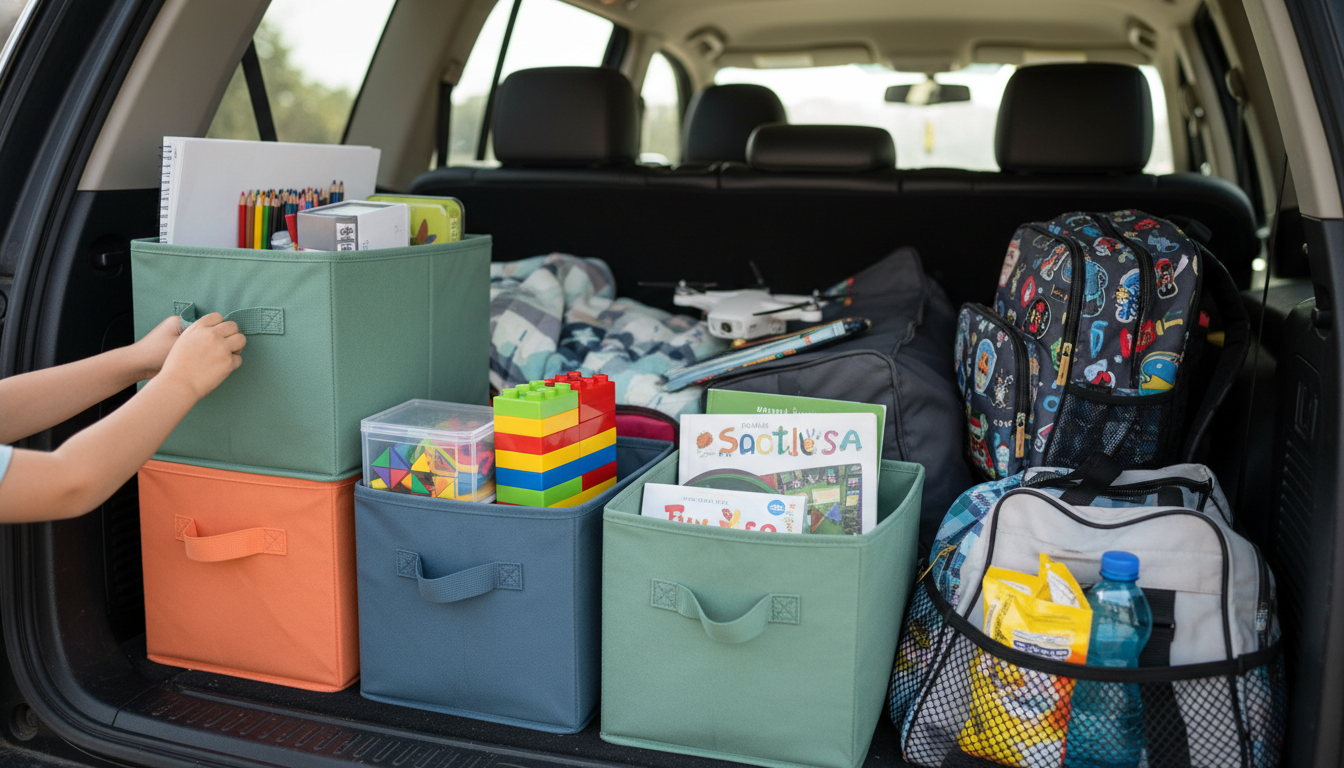
If setup takes too long, motivation collapses. Keep a small “boredom kit” ready with grab-and-go items: drawing supplies, LEGO tray, sticker book, fidget tools, punch balloons, or a mini scavenger hunt list. Rotate items weekly so they feel new without requiring a shopping trip.
Boredom often improves when the body gets what it needs. Try short, high-interest movement breaks: animal walks, hallway laps, dance to one song, or a pillow obstacle course. Sensory options—playdough, kinetic sand, water painting, or a heavy blanket corner—can also help regulate attention and mood.
Instead of “clean your room,” try “put books in one pile” or “find 10 items that belong in the laundry.” Celebrate completion quickly, then offer the next tiny step. Small wins build momentum and reduce overwhelm.
Transitions (after school, before dinner, weekends indoors) are common trouble spots. Pre-select two choices for those times. For a ready-to-use list of screen-free ideas that work well on indoor days, visit these printable screen-free boredom busters and keep a few pages where your child can see them.
Try low-prep options like scavenger hunts, building challenges, simple crafts, card games, indoor bowling with plastic cups, or a “choose-a-mission” list of quick tasks. Mixing movement, creativity, and short time limits helps keep interest higher.





Leave a comment