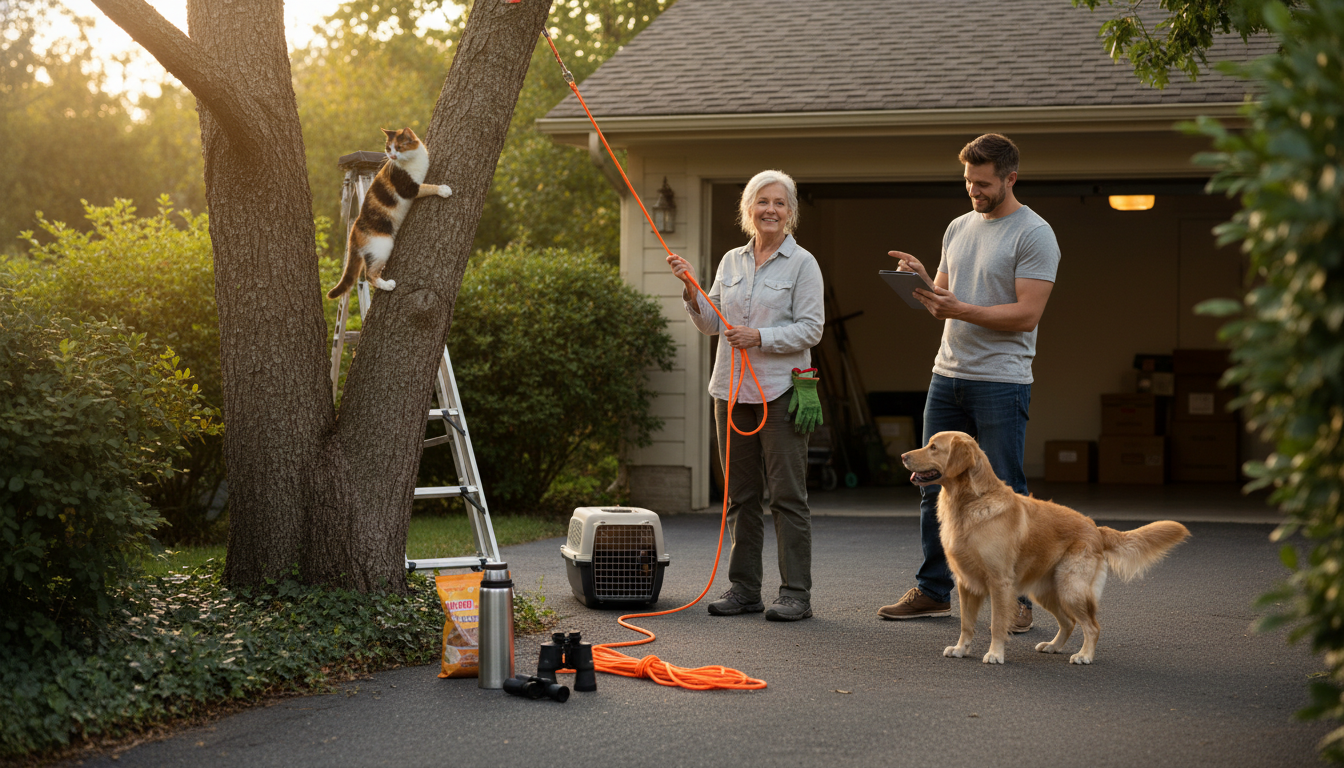
Yes—tree climbing is a normal, healthy behavior for many cats. It taps into their instincts to explore, perch high, and sharpen coordination. The main concern isn’t the climbing itself, but what happens next: some cats panic, choose an unsafe route down, or get stuck if the trunk is too tall or the branches are sparse.
For confident, agile cats, climbing offers exercise, mental stimulation, and a sense of security from being up high. Outdoor tree climbing can also reduce boredom, especially for cats that spend time in a yard. Indoor cats often try to substitute trees with shelves, bookcases, curtains, or door frames—signals they want more vertical territory.
Climbing may be unsafe if the tree is near traffic, power lines, or neighboring properties, or if the cat is older, overweight, or dealing with arthritis. Wet bark, thin branches, and sudden scares (dogs, loud noises) can lead to slips. Another issue is the descent: many cats can climb up quickly but hesitate coming down headfirst, particularly on straight trunks without “step” branches.
Start by staying calm and calling the cat in a relaxed voice. Avoid climbing after them unless it’s truly safe—falls and ladder accidents are common. If the cat has been stuck for hours, seems distressed, or the height is significant, contact local animal control or a professional rescue service. Food, a familiar carrier, or a stable ramp can help if the cat is within reach.
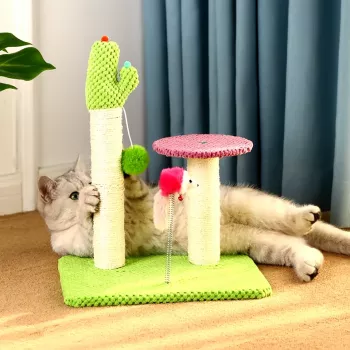
If the goal is to satisfy the climbing urge without outdoor hazards, add indoor climbing options like cat trees, wall perches, and scratch boards. For practical tips on encouraging healthy climbing and scratching at home, see this guide: https://splendona.com/blog/guide-cat-climbing-tree-scratch-board-double-platforms-guide/.
Give your cat a better “yes” option nearby, such as a stable cat tree or wall shelf, and reward them for using it. Add scratching surfaces and trim nails regularly to reduce damage while they learn the new habit.




Leave a comment