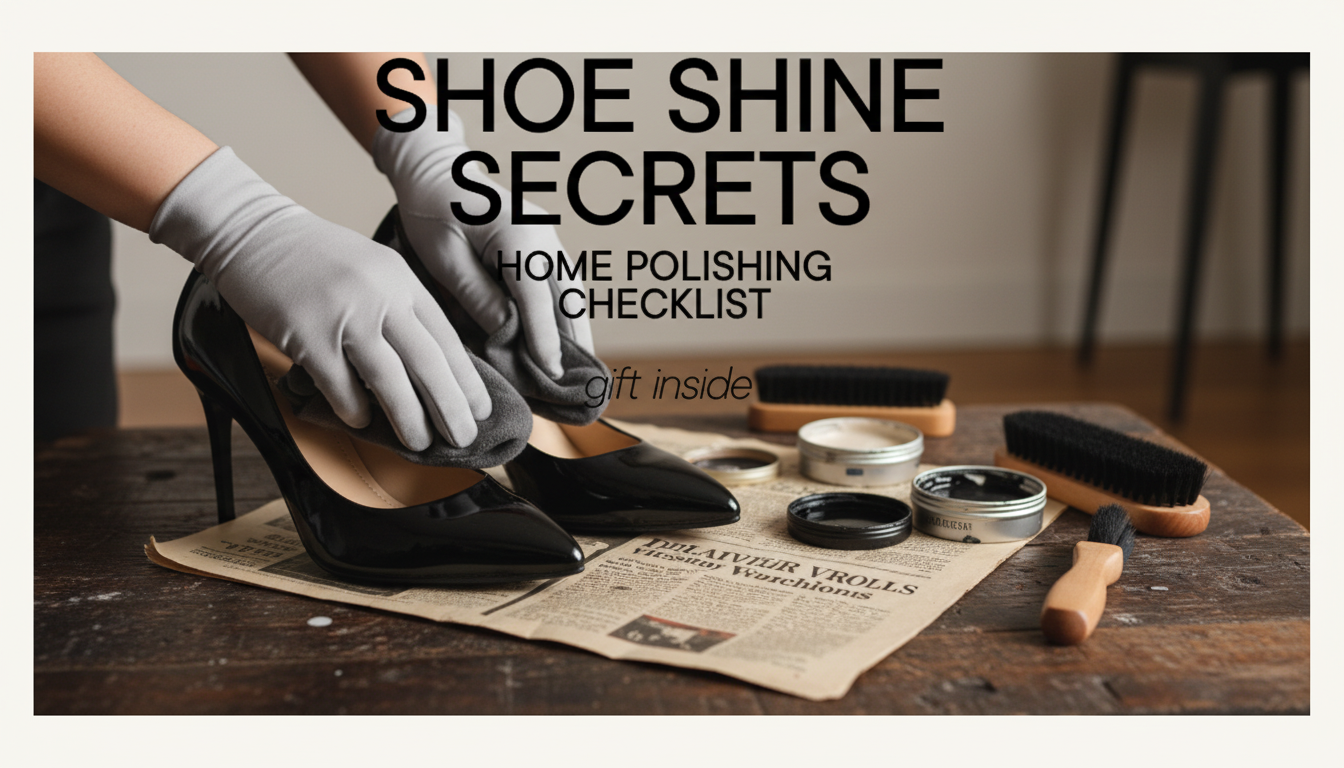
Polishing shoes seems simple, but a few easy-to-miss missteps can leave leather looking cloudy, cracked, or overly shiny in the wrong places. Avoid these common mistakes to keep your shoes looking sharp and lasting longer.
Applying polish over dust and grit can grind debris into the leather and dull the finish. Always brush thoroughly and wipe with a slightly damp cloth before any product goes on.
Leather polish, cream, and wax aren’t interchangeable for every goal. Cream nourishes and refreshes color; wax adds shine and protection. Using a shade that’s too dark can stain lighter uppers and edges, while a “neutral” product may not restore color on scuffed areas.
More polish doesn’t mean more shine. Thick layers can cake up around stitching and creases, attracting dirt and creating a smeared look. Use small amounts, build gradually, and buff between coats.
Neglecting conditioner can let leather dry out, especially on frequently worn shoes. On the other hand, over-conditioning can soften structure and make the leather look limp. A light, occasional conditioning is usually enough, especially before wax-heavy shines.
If you buff while the polish is still wet, you’ll pull product around instead of setting it, leading to streaks. Let each coat haze, then buff with a clean brush or soft cloth using brisk, even strokes—pressing hard can create uneven shine and highlight scratches.
Shiny uppers paired with scuffed edges can look unfinished. Treat edge dressing and a quick welt/sole clean as part of the routine, while keeping product off suede or fabric panels.
For a step-by-step routine and a handy checklist, follow the full guide here: How to Polish Leather Shoes at Home (Checklist).
For regular wear, a light polish every 1–2 weeks is usually enough, with conditioning every few weeks depending on climate and use. If you wear the same pair daily, touch up scuffs as needed and do a fuller shine less often.







Leave a comment