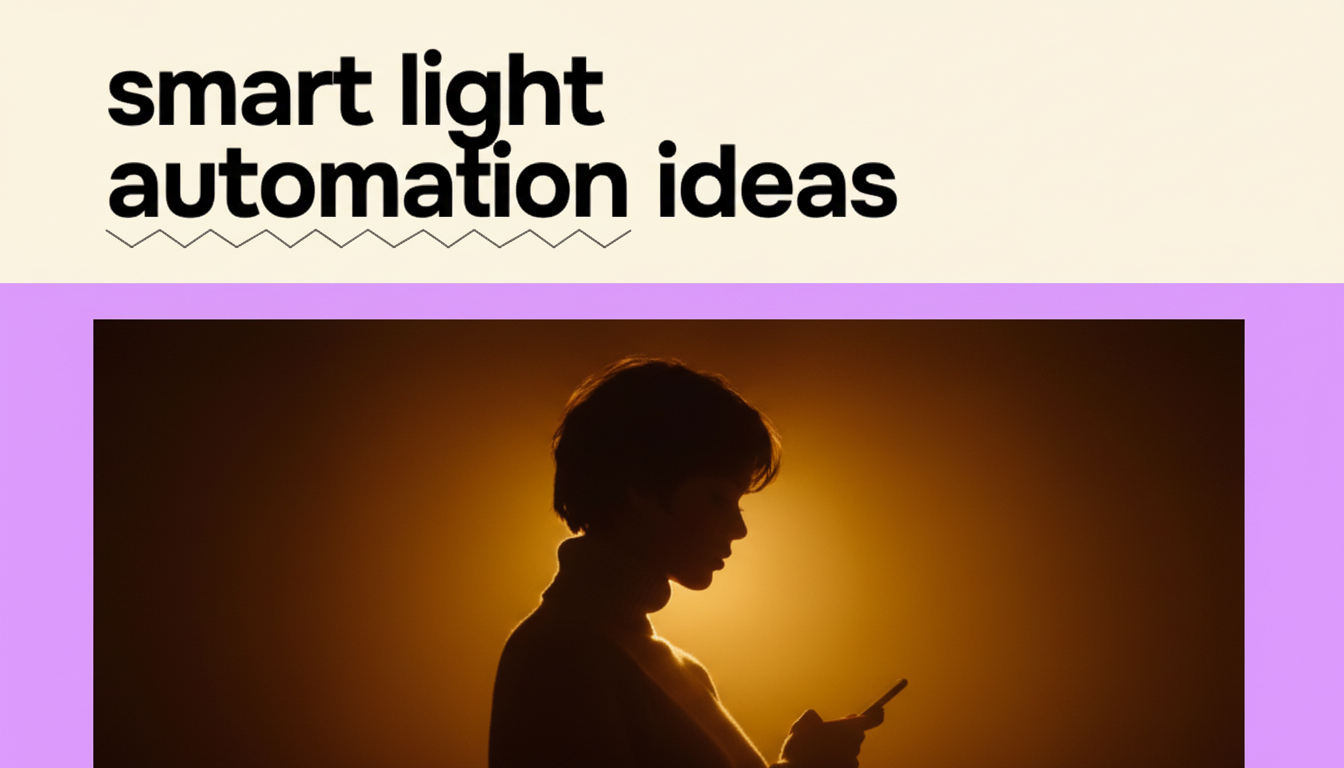
Smart home automation is trending toward systems that feel less “techy” and more invisible—working quietly in the background to improve comfort, security, and energy use. Instead of buying a pile of gadgets, many homeowners are focusing on a few high-impact automations that connect lighting, climate, safety, and daily routines.
Lighting remains one of the most popular areas for automation because it’s instantly noticeable and easy to tailor. Trending setups include circadian-friendly schedules (brighter, cooler light during the day; warmer, dimmer light at night), motion-triggered pathway lighting, and “one-tap” scenes for cooking, relaxing, movie time, or bedtime. For practical ideas, see this comfort-first smart lighting guide that breaks automations down by room.
Interoperability is a major theme. With Matter-supported devices gaining traction, shoppers are prioritizing products that work across ecosystems and don’t lock them into a single app forever. This trend reduces setup headaches and makes it easier to expand a system over time.
Energy costs are pushing smarter scheduling: lights that turn off automatically when rooms are empty, thermostats that adjust based on occupancy, and plug-level monitoring that reveals always-on “vampire” loads. The trend is toward automations that save power quietly—without constant manual tweaking.
More consumers want automations that continue working when the internet drops and keep sensitive data at home. Local processing hubs, on-device voice control options, and cameras with customizable activity zones are increasingly sought after, especially for indoor spaces.
“Learning” features are trending, but with a preference for transparency and control. Examples include systems that suggest new routines based on patterns (like turning on porch lights at typical arrival times) while still requiring user approval to activate changes.
Beyond cameras, smart homes are trending toward layered safety: door/window sensors paired with lighting triggers, smoke/CO alerts that can flash lights at night, leak sensors that notify instantly, and smart locks with timed codes for deliveries or guests.
A scene sets multiple devices to specific states at once (like “Movie Night” dimming lights and closing shades). A routine is an automation that runs based on a trigger or schedule, such as sunset, motion, or arriving home.




Leave a comment