
The best brush for a cat depends on their coat type and what you’re trying to accomplish—daily smoothing, detangling, or reducing shedding. Most households do well with a simple two-brush approach: a soft slicker or pin brush for routine grooming, plus a de-shedding tool used sparingly when the coat is actively shedding.
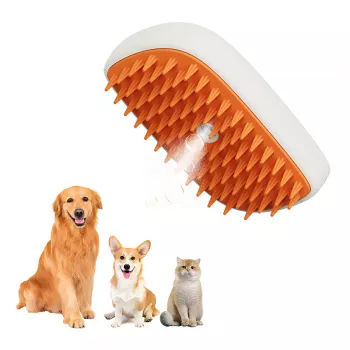
A rubber curry brush or grooming glove is an easy, low-stress choice. It lifts loose hair and dander while giving a gentle massage, which many cats tolerate better than bristles. For extra polish, follow with a soft bristle brush to smooth the coat and distribute natural oils.
Use a slicker brush with fine, angled pins to reach through the topcoat and catch loose undercoat before it turns into mats. Pair it with a wide-tooth metal comb to check friction areas (behind the ears, armpits, belly, and “pants” area). If the comb snags, slow down and work in tiny sections rather than pulling.
A de-shedding brush designed to remove undercoat can make a noticeable difference, especially for plush coats. Use light pressure and short strokes, and limit sessions to a few minutes so you don’t irritate the skin. If you see redness, dandruff flaking, or your cat becomes reactive, switch back to a softer brush and groom less often until the skin calms.
Skip sharp, tightly packed brushes on very sensitive or thin-skinned cats, and avoid using a flea comb as an all-over grooming tool—it’s meant for targeted checks near the face and neck. Also avoid forcing through mats; when a mat is close to the skin, it’s safer to consult a groomer or veterinarian.
For a deeper breakdown of brush types and when to use each, see the full guide: best grooming brush and de-shedding guide.
Most short-haired cats do well with brushing 1–2 times per week, while long-haired cats typically need it at least a few times weekly (often daily) to prevent tangles and mats. Increase frequency during seasonal shedding.





Leave a comment