
You can use a sideboard, console table, low bookcase, dresser, floating shelves, or a wall-mounted TV with a separate storage cabinet instead of a traditional entertainment center. The best choice depends on how much equipment you have, how much storage you need, and the space available in your room.
We like alternatives that give you flexibility: a single piece can hold your media gear today and serve another purpose if you rearrange later.
A sideboard offers a broad surface for a TV and concealed storage for controllers, games, and other accessories. Choose one with enough depth and weight capacity for your TV if you are placing it on top. Openings at the back can help you route cords and keep equipment ventilated.
A console table creates a lighter look, particularly when your TV is mounted on the wall. Pick a sturdy design with a lower shelf if you need space for a soundbar, streaming device, or baskets. Make sure the tabletop is deep enough for any equipment you plan to place on it.
A low bookcase keeps books, devices, and decorative objects within reach. Cube storage adds room for bins that hide smaller items. Position electronics where air can circulate, and keep cords from crossing walkways.
A dresser can keep remotes, cables, and games out of sight. A cabinet with adjustable shelves is another option when you want to organize equipment of different sizes. Avoid enclosing heat-producing devices in a tightly closed compartment.
Wall-mounting your TV can free up floor space, while shelves below provide a place for smaller devices. Install the TV mount and shelves into appropriate wall supports, and follow their weight limits. Use cord covers to give the arrangement a tidy finish.
Start by measuring your TV, equipment, and available wall space. Allow room to reach outlets and connect cables, and secure freestanding furniture to the wall where appropriate. For more ideas for a creative night in, explore our entertainment guide.
You can use a sideboard, console table, low bookcase, dresser, cabinet, or floating shelves. A wall-mounted TV paired with separate storage is another space-saving option.
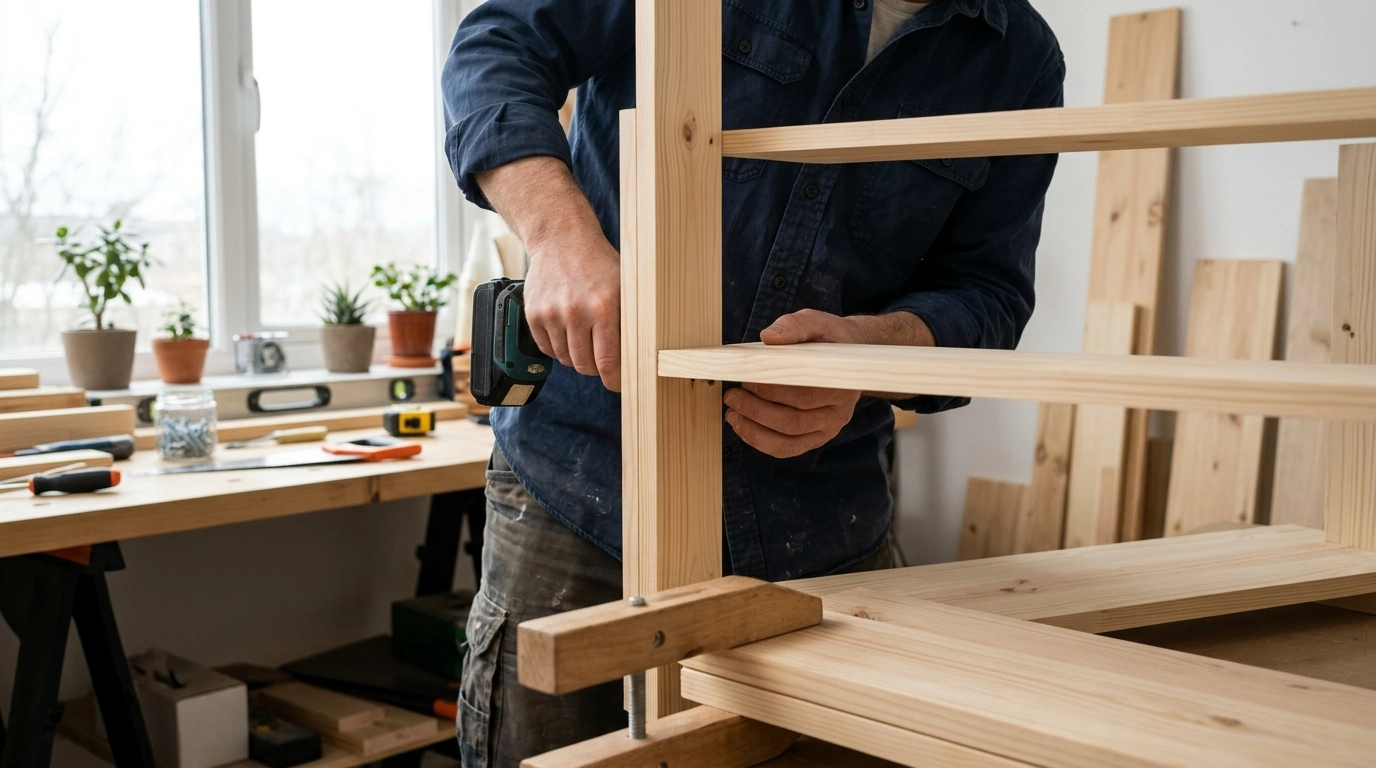
Start with a sturdy cabinet, bookcase, or console and arrange shelves or baskets for your devices and accessories. Add cord openings as needed, allow ventilation, and secure the furniture to the wall where appropriate.
Yes. A sideboard can hold a TV and hide accessories, provided its surface supports the TV’s weight and dimensions and its storage allows adequate ventilation for electronics.




Leave a comment