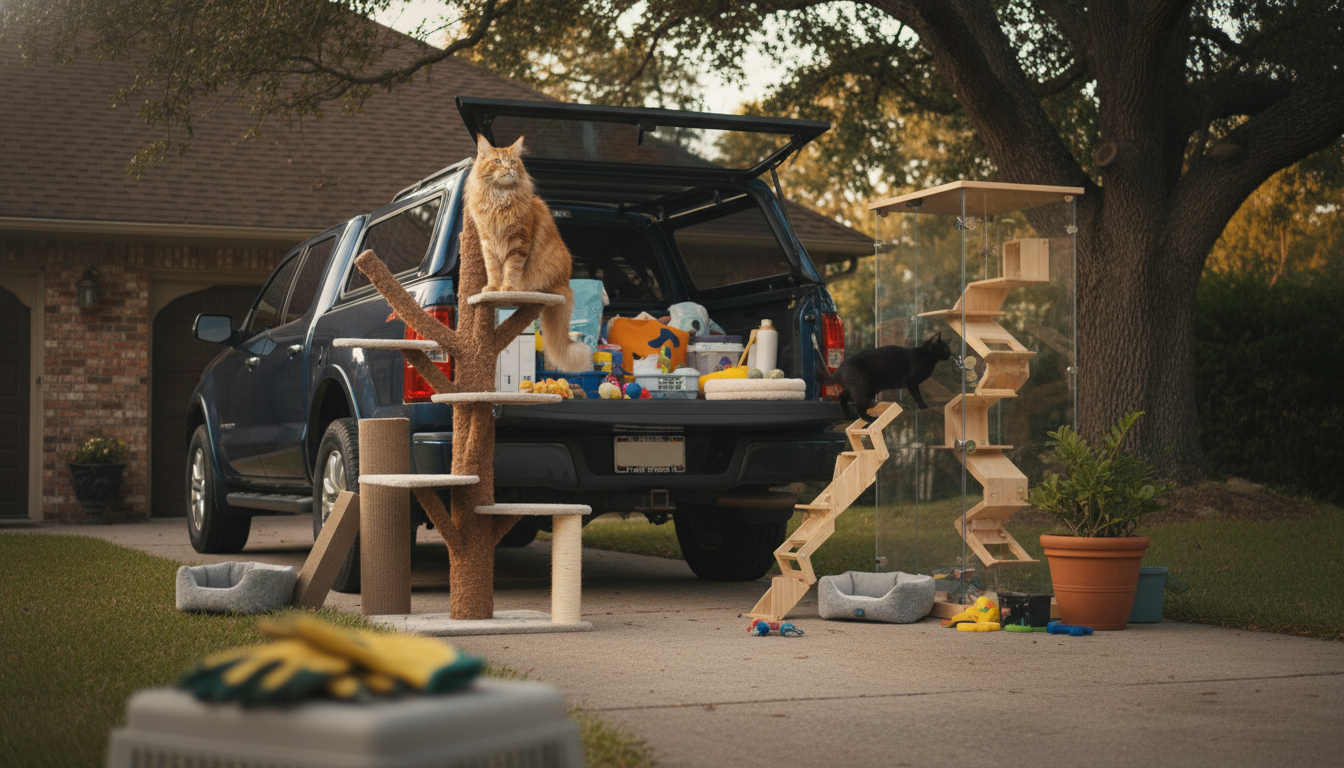
Most cats can climb trees, but athletic, agile breeds tend to do it with the most confidence and control. While there isn’t a single “best” tree-climbing cat for every home, breeds known for strong hindquarters, balance, and high energy—like the Bengal, Abyssinian, and Maine Coon—often stand out as exceptional climbers. That said, an individual cat’s personality, fitness, and early experiences can matter just as much as breed.
Bengal cats are famously energetic and athletic, with quick reflexes and a strong drive to explore vertically. Many Bengals will seek the highest spot in a room and can translate that same instinct outdoors (with proper safety precautions).
Abyssinians are lean, springy, and constantly on the move. Their curiosity and nimble bodies make them natural “up-and-over” climbers, often preferring height over hiding.
Maine Coons may surprise people due to their size, but they’re powerful and coordinated. Many Maine Coons climb well, especially when given sturdy vertical options that support their weight and allow controlled movement.
Great climbers typically have strong back legs for launching upward, good core strength for stabilizing on narrow surfaces, and confidence navigating new heights. Age and body condition also play a role—kittens and young adults usually climb more than seniors, and excess weight can make climbing harder and riskier.
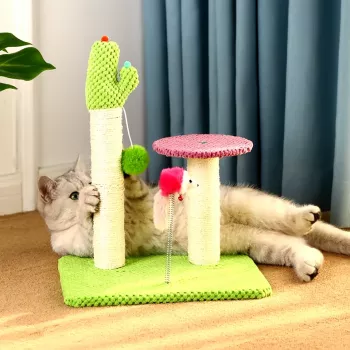
If the goal is to give a “tree-climber” cat an outlet without encouraging dangerous outdoor climbing, focus on vertical enrichment indoors: stable cat trees, wall perches, and scratch boards that invite climbing and stretching. For ideas on creating a climbing-friendly setup with the right platforms and scratch surfaces, visit this guide to cat climbing tree scratch boards and double platforms.
Provide a sturdy cat tree or wall-mounted steps with non-slip surfaces and place them near a window for extra interest. Reward exploration with treats and keep jump distances reasonable so climbing feels secure, not scary.






Leave a comment