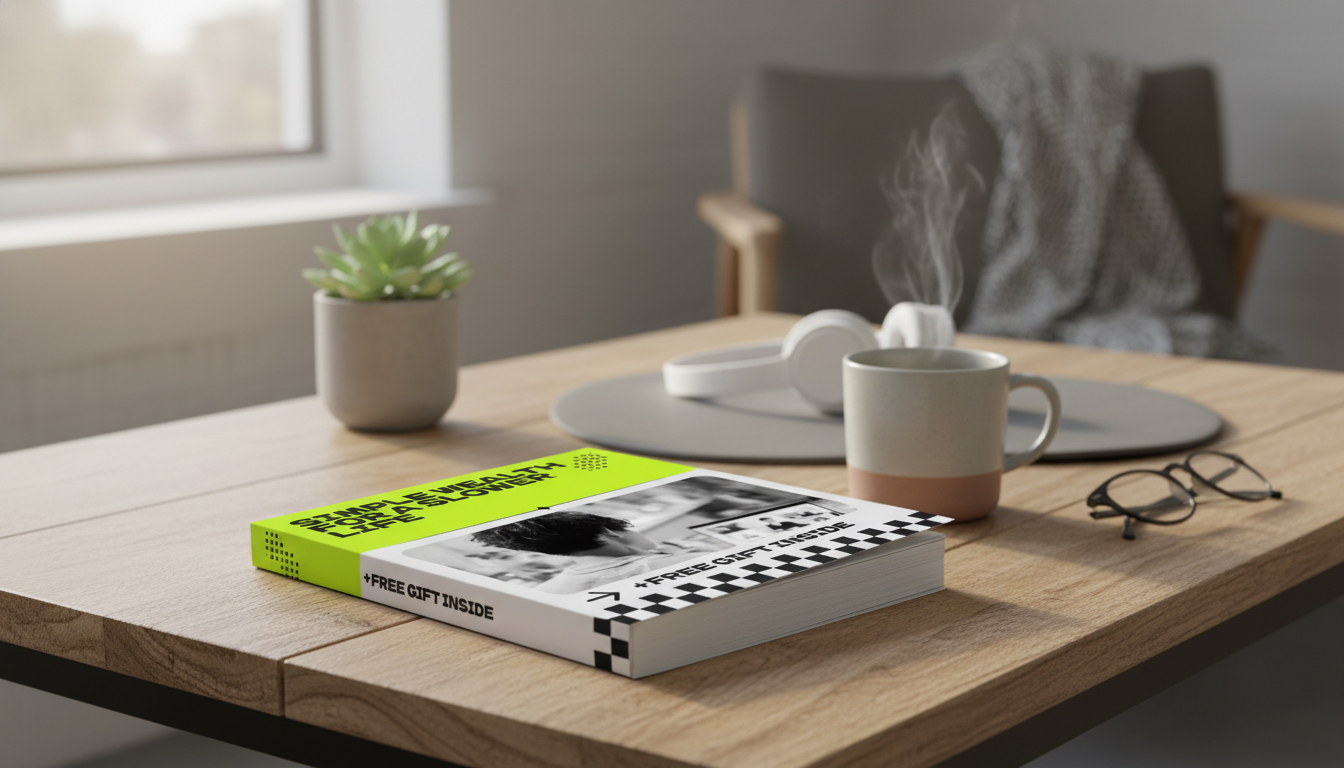
The Simple Path to Wealth teaches you to build financial independence with a plan that’s deliberately uncomplicated: spend less than you earn, invest the difference consistently, and let time do the heavy lifting. The core lesson is that wealth isn’t mainly about finding the “perfect” stock or timing the market—it’s about creating a wide gap between your income and expenses, then investing that gap in low-cost, broad-based index funds.
You learn that the fastest lever you can pull is your savings rate. When you keep your lifestyle from expanding as your income grows, you create a steady stream of money to invest. Our team often frames this as “buying your freedom” month by month: every dollar you don’t spend can become an asset that produces future options.
The book’s key investing takeaway is to avoid complexity, high fees, and constant tinkering. Instead, you focus on diversified index investing and long-term holding—because cost and consistency matter more than chasing hot picks. You also learn to respect market volatility as normal, not as a signal to panic-sell.
A major theme is defining “enough” and aligning money with the life you actually want. That’s where financial independence naturally overlaps with slow living and minimalism: fewer automatic expenses, fewer obligations, and more room for intentional choices. If you want a broader slow-living-friendly roadmap, our team laid it out in our guide here: https://splendona.com/guide-simple-wealth-slow-living-minimalist-passive-income/.
You walk away with a clear starting sequence: track your baseline spending, cut high-impact recurring costs, set automatic investing, and build a cash buffer so you’re not forced to sell investments at the wrong time. Over time, that routine supports both stability and freedom—without turning your life into a spreadsheet.
A strong starting target is 15–25% if you’re building momentum, and 30–50% if early retirement is a primary goal. The best number is one you can sustain for years without burnout while still covering essentials and keeping a small “life happens” cushion.




Leave a comment