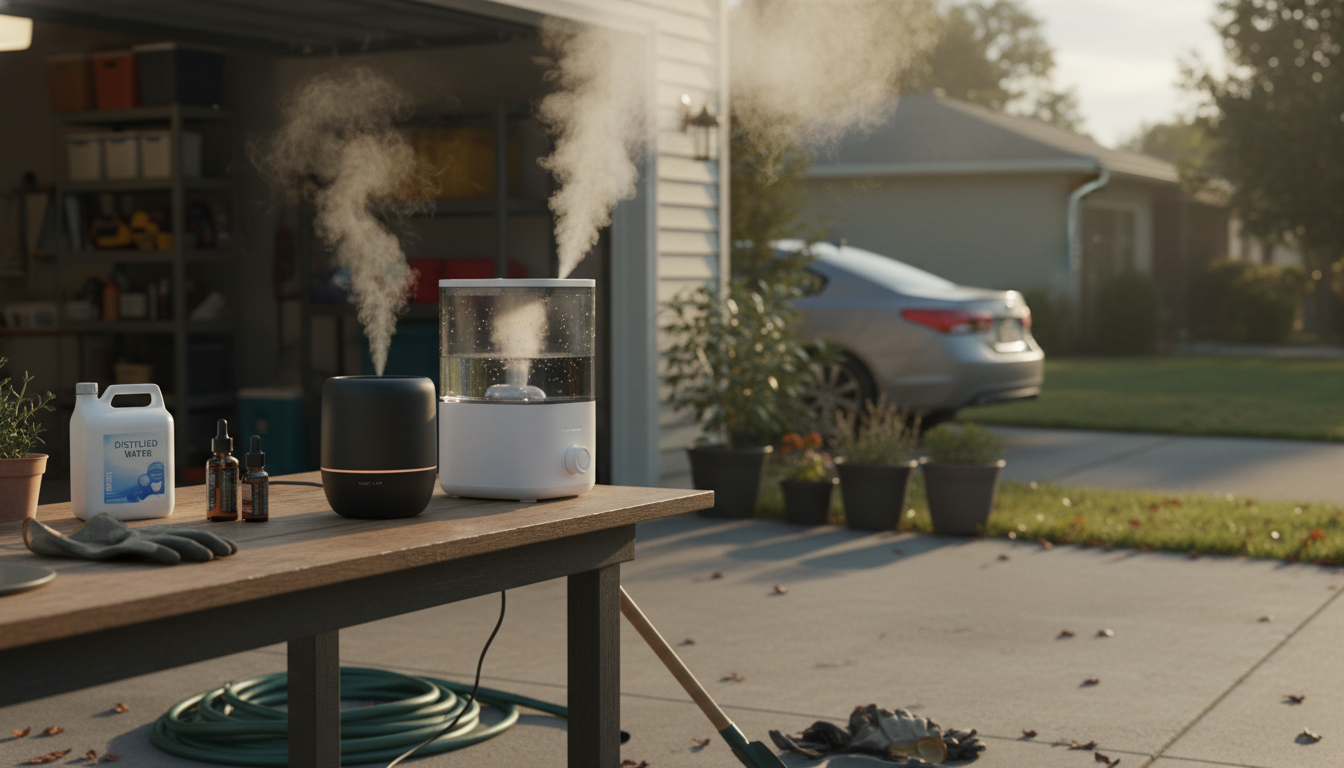
Neither is universally “better”—it depends on the problem you’re trying to solve. A humidifier is the better pick when the goal is to add noticeable moisture to a room to ease dry air that can irritate skin, lips, sinuses, and throats. A diffuser is better when the priority is fragrance and ambiance, especially if you enjoy aromatherapy-style scents and want a subtle mist with essential oils.
The key difference is output and purpose. Humidifiers are designed to raise humidity levels, often with larger tanks, stronger mist output, and longer runtimes. Diffusers focus on dispersing essential oils into the air; many are smaller, run for shorter sessions, and may add only a modest amount of humidity.
Choose a humidifier if you’re dealing with a consistently dry environment (winter heating, dry climate, frequent nasal dryness) and want measurable comfort improvements. Choose a diffuser if you mainly want a pleasant scent, a relaxing nighttime routine, or a gentle mist near a desk or bedside.
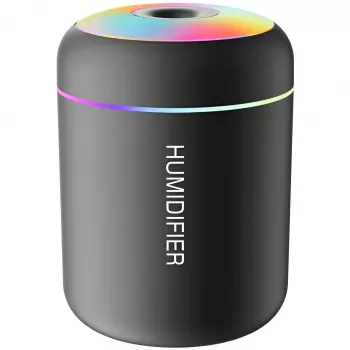
If you’re deciding between a compact, multipurpose option, some mini units combine light misting with aromatherapy features. For a closer look at a small USB-friendly option that blends aroma diffusion with humidifying support and soft lighting, see this guide: https://splendona.com/blog/guide-mini-usb-aroma-humidifier-oil-diffuser-soft-led-light/.
Pick a humidifier if you want higher humidity in a bedroom, nursery, or office and care less about fragrance. Pick a diffuser if you want scent control and mood-setting features like timers or soft LED light, and only need a light mist.
Only if the manufacturer explicitly says it’s safe. Many humidifiers can be damaged by oils, and using them improperly can leave residue, clog parts, or create cleaning issues.






Leave a comment