
For a 20×20 throw pillow insert, the most common choice is a 20×20 pillow cover. That “same-size” pairing typically gives a relaxed, casual look that works well for everyday styling. If the pillow looks a little flat over time, you can also size down to a 19×19 or 18×18 cover for a fuller, more structured finish, depending on the fabric and how plush the insert is.
A 20×20 cover on a 20×20 insert is the easiest match and usually fits well for most standard cotton, linen, and blended fabrics. It’s also a safer option if you like to remove covers frequently for washing or swapping seasonally, since it won’t feel overly tight around the corners.
If you want a plumper pillow with crisp corners and less wrinkling, consider a slightly smaller cover than the insert. A 19×19 cover can add subtle fullness; an 18×18 cover creates a noticeably firm, stuffed look. This works best with soft-to-medium inserts that can compress and with covers that have a bit of give (like plush, velvet, or some woven textiles).
Thicker fabrics and less-stretchy weaves can feel tighter at the same size, especially with high-loft down-alternative inserts. Also check the closure: invisible zippers are easier to fit snugly, while envelope backs can shift if the cover is significantly smaller than the insert. If your insert is very full (or oversized), staying with a 20×20 cover helps avoid strained seams.
Relaxed look: 20×20 cover for a 20×20 insert.
Fuller look: 19×19 cover (moderate) or 18×18 cover (extra full).
If unsure: Start with 20×20, then size down next time if you want more volume.
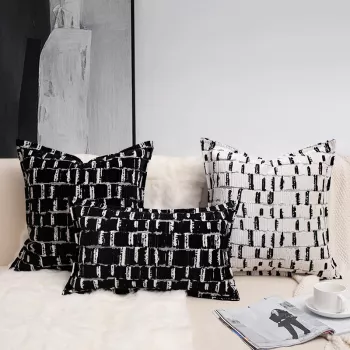
For more styling tips and fabric considerations, see the guide here: black and white plaid plush cushion cover guide.
Medium-weight cotton, canvas, and performance fabrics hold up well to frequent lounging and washing. If you prefer a softer feel, velvet and plush fabrics are cozy, but check care instructions to keep the texture looking fresh.




Leave a comment