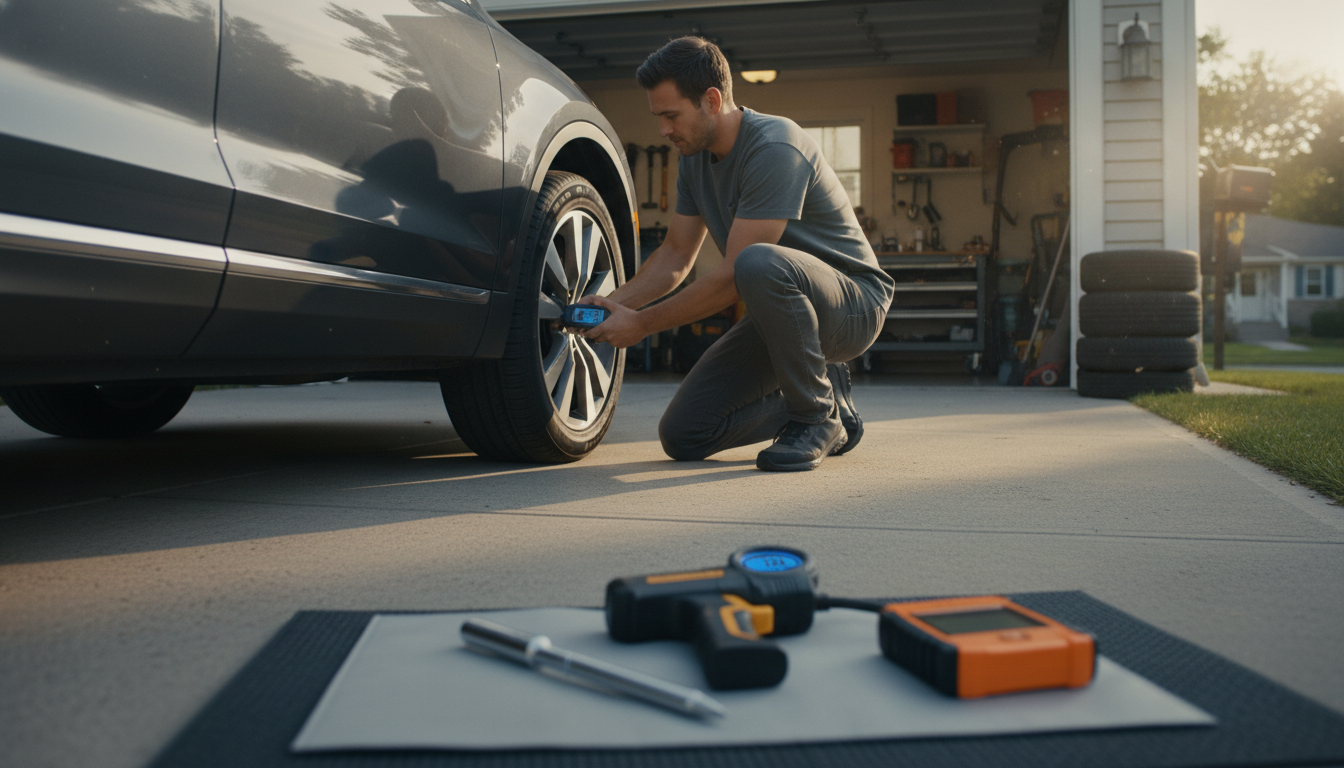
The most accurate digital tire pressure gauges are typically made by brands that publish tight accuracy specs (often ±1 PSI or better), use stable pressure sensors, and back them with consistent quality control. In real-world use, the “most accurate” pick often comes down to a handful of reputable manufacturers whose readings stay consistent across temperature changes, repeated checks, and different valve stems.
Start with the spec sheet. A gauge that states an accuracy rating (for example, ±1 PSI) is generally a safer bet than one that only lists a range (like 5–150 PSI). Accuracy matters most around your normal operating pressures—if you’re checking passenger tires in the 30–40 PSI range, you want a gauge known to be stable there, not only near its maximum rating.
Also pay attention to resolution and repeatability. A gauge that reads in 0.1 PSI increments can be useful, but only if it returns the same number when you measure the same tire multiple times. A consistent gauge is more useful than one that looks “precise” but drifts.
Brands that serve automotive technicians, motorsports, or serious off-roaders usually invest more in sensor calibration and durability. Better seals, sturdier housings, and reliable valve chucks reduce tiny leaks during the measurement—one of the most common reasons cheap gauges read low. Battery health also plays a role: weak batteries can cause flaky readings on some units, so brands with solid power management and low-battery indicators often stay more dependable.
The simplest approach is to compare your gauge against a known-good reference (like a shop-grade gauge) and check multiple tires. If your gauge is consistently 1 PSI higher or lower, that’s often acceptable because the real goal is consistent inflation. For off-road scenarios where PSI changes are deliberate and frequent, consistency becomes even more important.
For deeper guidance on picking a digital monitor, understanding PSI targets, and using an inflator effectively, see the full guide here: https://splendona.com/guide-off-road-tire-psi-digital-monitor-150-psi-inflator/.
Use the tire pressure listed on the driver’s door jamb placard for your exact model year and tire size. Many Kia Carnival trims are commonly set around the mid-30s PSI, but the placard is the correct source for front/rear targets.





Leave a comment