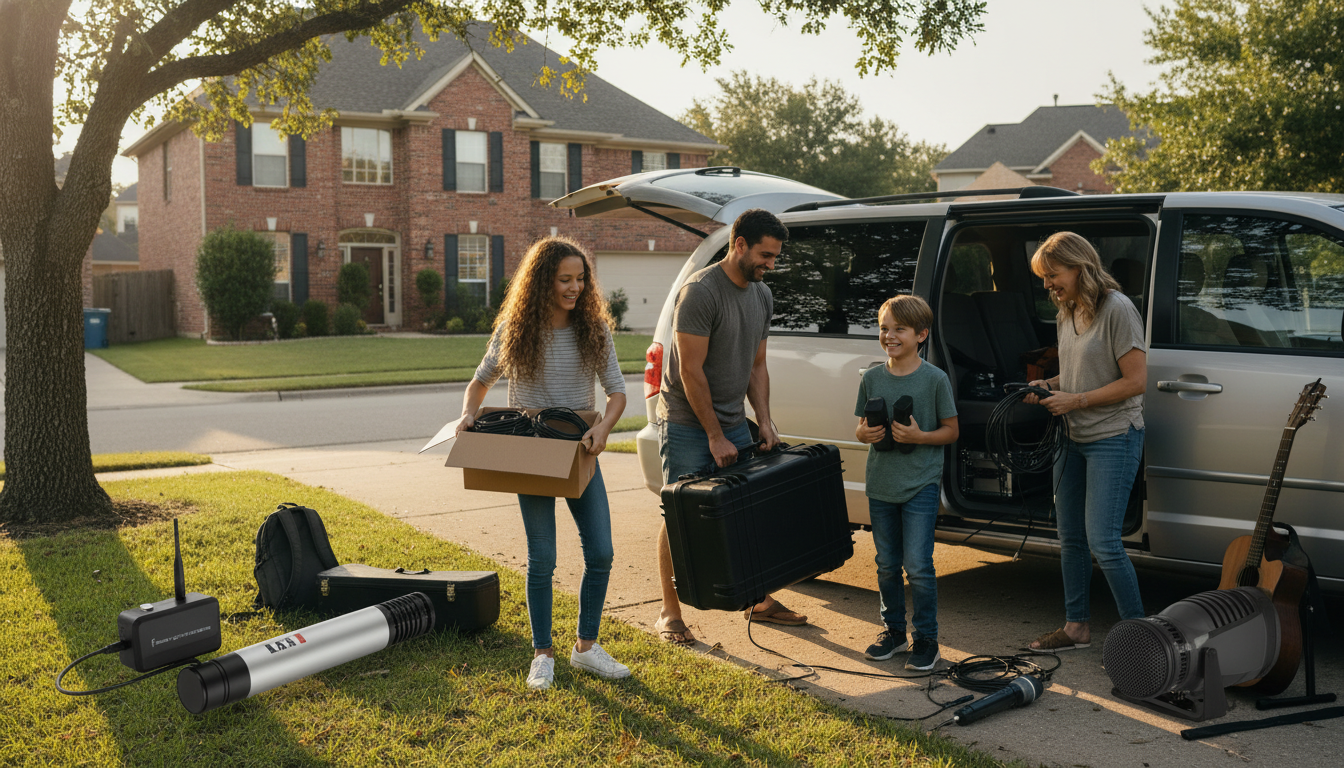
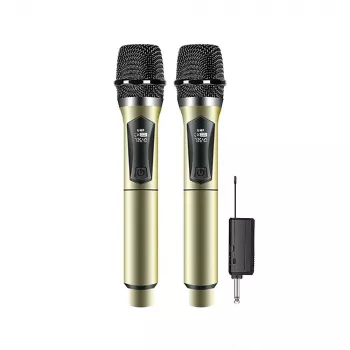
UHF microphones are often “better” than Bluetooth for live voice because they’re built for stable, low-latency performance over longer distances. A UHF wireless mic system uses a dedicated radio connection between the microphone and its receiver, which typically delivers clearer, more consistent audio in karaoke, presentations, worship, classrooms, and events.
Bluetooth mics can be a convenient choice for casual use, especially when pairing directly to a phone, tablet, or portable speaker. The tradeoff is that Bluetooth is more prone to noticeable delay (latency), shorter effective range, and occasional dropouts in busy wireless environments—issues that can be frustrating when singing or speaking through a PA system.
If you need reliable audio in real time, UHF usually wins. The biggest advantage is low latency, which helps vocals feel “locked in” with the music and keeps speech natural through speakers. UHF systems also tend to hold a connection at longer distances and are designed to work with receivers that plug into mixers, amps, powered speakers, or karaoke machines.
UHF can also be easier for multi-person setups (like duets, panels, or meetings) because many systems are designed to run multiple microphones without the pairing hassles common with consumer Bluetooth devices.
Bluetooth can be “better” if simplicity and portability matter more than performance. For quick recordings, small rooms, or casual sing-alongs with a Bluetooth speaker, pairing a Bluetooth mic may be fast and inexpensive. Just keep expectations realistic for range and timing—some delay is normal and can be distracting in amplified settings.
For karaoke, events, and meetings where consistency matters, UHF microphones are generally the stronger, more dependable option. For more details on how rechargeable UHF systems work and what to look for in a receiver-based setup, visit this rechargeable UHF wireless microphone guide.
UHF microphones typically offer low-latency audio, stronger connection stability, and better usable range than Bluetooth in live settings. They’re also designed to connect cleanly to receivers and sound systems for karaoke, presentations, and group events.




Leave a comment