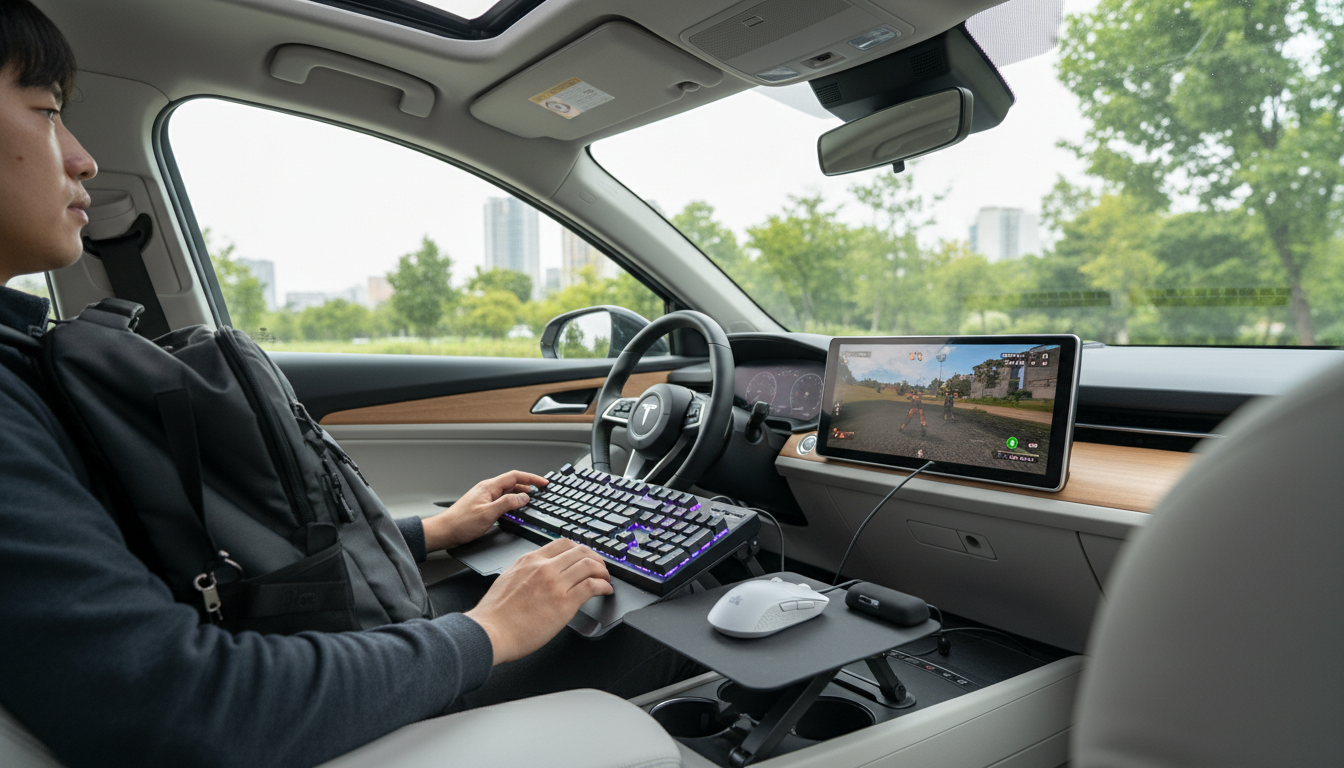
Yes—there are plenty of wireless gaming keyboards, ranging from compact 60% boards to full-size models with dedicated media keys. Modern options use either 2.4GHz wireless with a USB dongle (typically the best choice for competitive play) or Bluetooth (great for convenience and multi-device setups). Many also include per-key RGB lighting, hot-swappable switches, and onboard memory for saving macros and profiles.
When shopping, focus on the connection type, latency, and battery performance. A quality 2.4GHz connection is designed to feel as immediate as a wired keyboard, while Bluetooth can be slightly more variable depending on the device and wireless environment. Battery life varies widely: some keyboards run for days with lighting on, while others can last weeks if RGB is dimmed or turned off. If you game for long sessions, look for fast charging (USB-C is common) and the ability to play while charging.
Also consider switch style and build. Mechanical wireless gaming keyboards dominate because they deliver consistent actuation, durability, and better key rollover for complex inputs. If you need quiet operation for shared spaces, linear or silent switches and good case dampening can make a big difference.
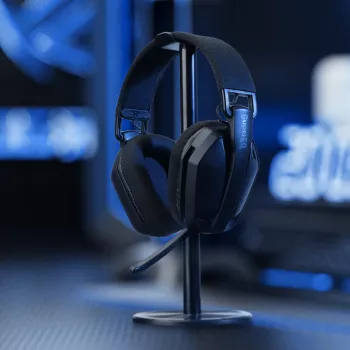
If you’re already comparing wireless gaming gear like headsets and want a feel for what a solid 2.4GHz setup looks like, check out this guide on wireless gaming audio: wireless RGB gaming headset (2.4GHz, USB-C, long battery life).
Low-latency wireless: Prioritize 2.4GHz dongle connections marketed for gaming, especially if you play shooters or rhythm games.
Stable battery strategy: Pick a model that matches your routine—long battery life, quick top-ups, or wired fallback during play.
Key features that matter: N-key rollover, anti-ghosting, adjustable actuation (on some models), and software that’s reliable for macros and lighting.
Yes. A good 2.4GHz wireless gaming keyboard can feel essentially indistinguishable from wired in responsiveness, while offering a cleaner setup and easier portability.
Both are popular. Many competitive players still choose wired for absolute simplicity, but wireless is increasingly common because modern low-latency connections are fast and dependable.





Leave a comment