RGB keyboards aren’t automatically “better” for gaming, but they can be better for certain players and setups. The lighting itself doesn’t increase your reaction speed or accuracy. What it can do is improve visibility, reinforce key locations, and make it easier to use game-specific layouts—especially in low-light rooms or long sessions.
The biggest gaming advantage of RGB is usability. Per-key lighting lets you highlight critical controls (WASD, abilities, push-to-talk, weapon swaps) so your fingers land correctly without looking away from the screen. Some keyboards also support profiles that change lighting by game, so your layout can shift instantly when you switch titles.
If the goal is performance, core keyboard features usually matter more than RGB. Look for low input latency, reliable anti-ghosting/N-key rollover, a comfortable layout, and switches that match your play style (linear for smooth keypresses, tactile for feedback, clicky for pronounced response). Build quality, stabilizers, and keycap feel also impact consistency more than any lighting effect.
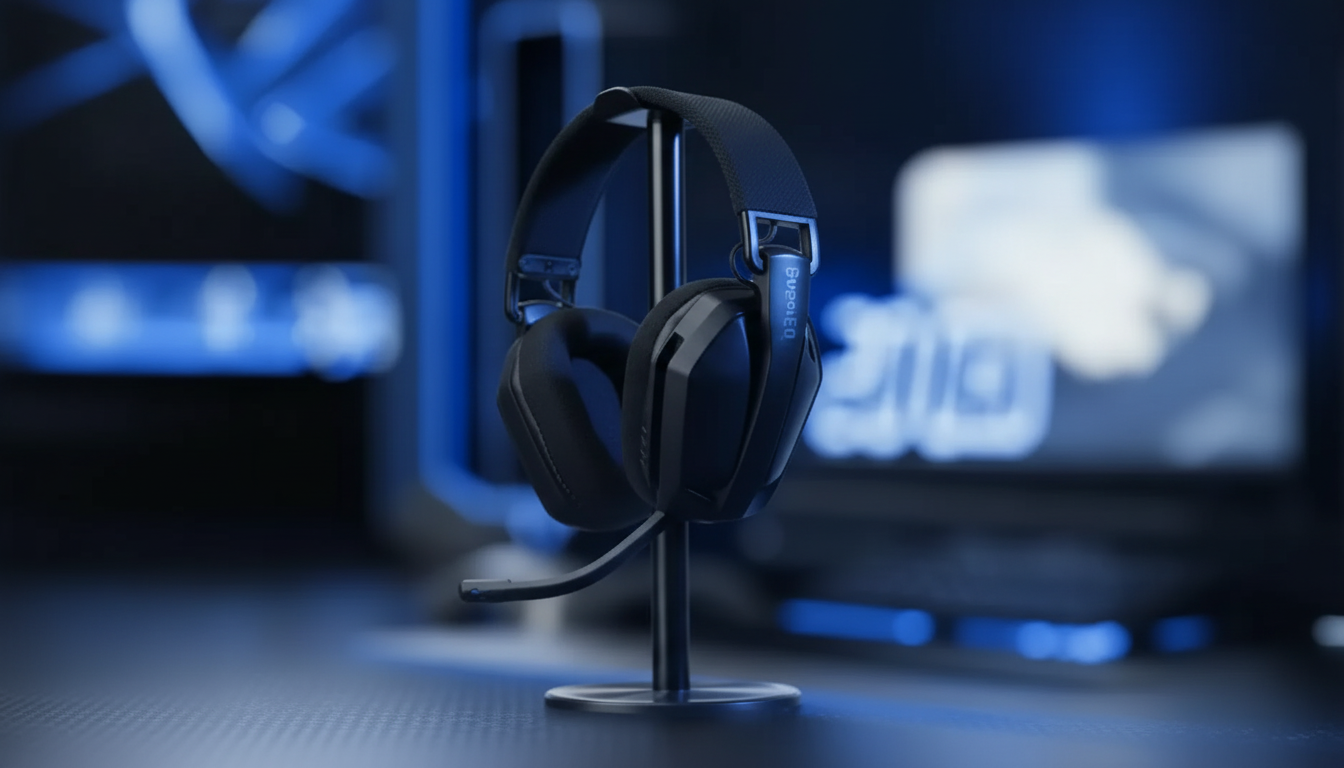
RGB often makes the most sense when it complements the rest of your gear. A cohesive setup can feel more immersive and organized, and matching profiles across devices can be convenient. If you’re also upgrading audio, pairing a responsive keyboard with a dependable wireless headset can make a bigger difference to competitive play than lighting alone. For tips on choosing a solid wireless RGB gaming headset, check out this guide.
Choose an RGB keyboard if you want better visibility, customizable layouts, or a cleaner-looking setup—and if the keyboard is strong on fundamentals. If budget is tight, prioritize switch quality, latency, and durability first, then treat RGB as a bonus.
Yes. Switch type, keyboard latency, and rollover affect how inputs register and feel, while RGB is mainly for visibility and customization.





Leave a comment