Aluminum alloys are used anywhere a product needs to be strong but not heavy, resist corrosion, and still be easy to form or machine. By mixing aluminum with elements like magnesium, silicon, zinc, or copper, manufacturers can tune the metal for toughness, stiffness, fatigue resistance, or improved wear—making it a go-to material across transportation, outdoor gear, and everyday hardware.
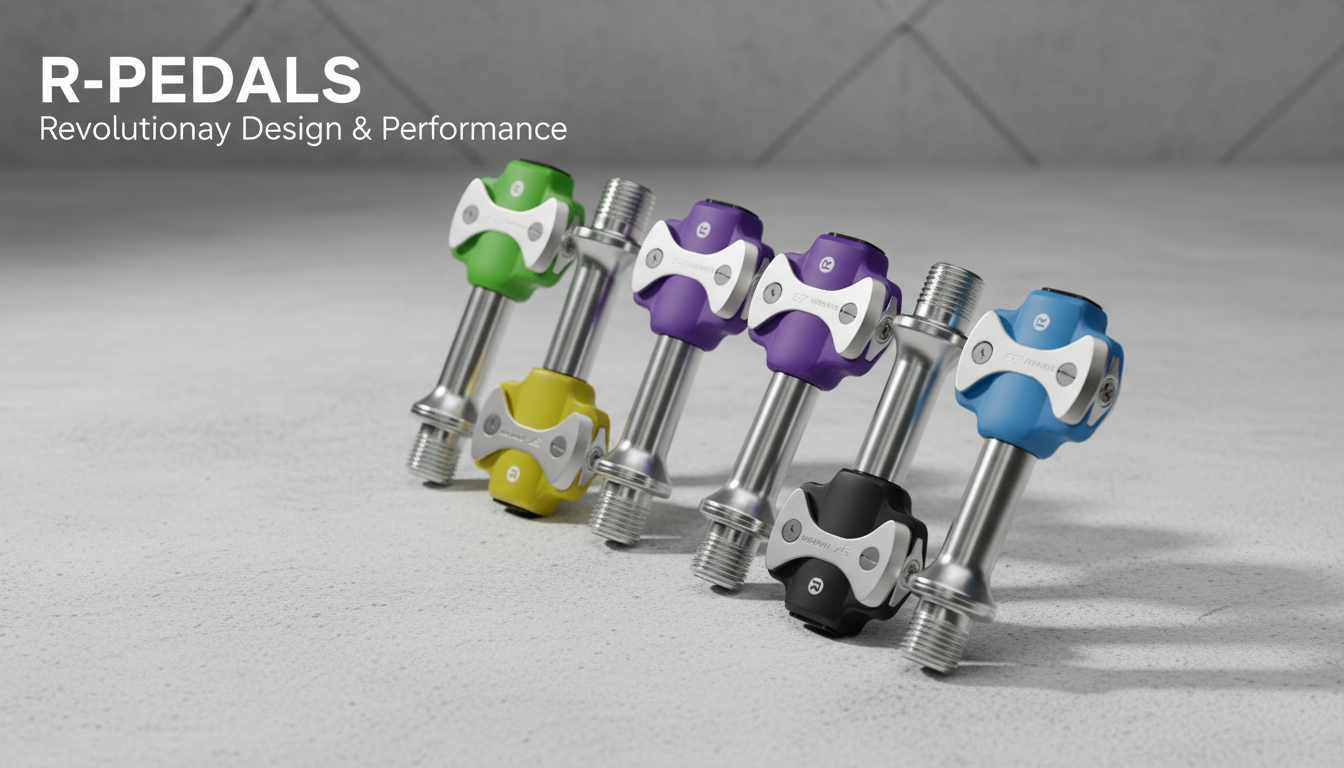
One of the most common uses for aluminum alloys is in components where shaving weight matters without giving up reliability. Bike parts such as crankarms, handlebars, stems, seatposts, and pedal bodies often use specific alloys and heat treatments to balance strength and durability. That same weight-to-strength advantage shows up in scooters, wheelchairs, and fitness equipment where repeated load cycles are expected.
If you’re comparing lightweight cycling components, this guide is a helpful reference: Ultralight locking bike pedals: grip, fit, and setup.
Aluminum alloys are widely used in car body panels, wheels, engine components, and suspension parts because they can reduce vehicle mass and help improve efficiency. In aerospace, carefully selected alloys support airframes, interior structures, brackets, and housings—places where corrosion resistance and high strength-to-weight ratios make a measurable difference.
Many aluminum alloys naturally resist corrosion, and additional surface treatments (like anodizing) can further improve durability. That’s why aluminum is common in boat parts, dock hardware, roof systems, ladders, camping gear, and sporting goods that see rain, salt air, sweat, and temperature swings.
Because aluminum conducts heat well and can be machined into precise shapes, alloys are used for heat sinks, laptop and phone housings, LED lighting bodies, power tool casings, and machine guards. In manufacturing, aluminum also appears in jigs, fixtures, frames, and enclosures where rigidity and low weight simplify handling.
Pure aluminum is relatively soft, while aluminum alloys add other elements to increase strength, hardness, or fatigue resistance. Alloys can also be heat-treated or surface-finished to better match the demands of a specific part.
Aluminum alloys are used anywhere a product needs to be strong but not heavy, resist corrosion, and still be easy to form or machine. By mixing aluminum with elements like magnesium, silicon, zinc, or copper, manufacturers can tune the metal for toughness, stiffness, fatigue resistance, or improved wear—making it a go-to material across transportation, outdoor gear, and everyday hardware.
One of the most common uses for aluminum alloys is in components where shaving weight matters without giving up reliability. Bike parts such as crankarms, handlebars, stems, seatposts, and pedal bodies often use specific alloys and heat treatments to balance strength and durability. That same weight-to-strength advantage shows up in scooters, wheelchairs, and fitness equipment where repeated load cycles are expected.
If you’re comparing lightweight cycling components, this guide is a helpful reference: Ultralight locking bike pedals: grip, fit, and setup.
Aluminum alloys are widely used in car body panels, wheels, engine components, and suspension parts because they can reduce vehicle mass and help improve efficiency. In aerospace, carefully selected alloys support airframes, interior structures, brackets, and housings—places where corrosion resistance and high strength-to-weight ratios make a measurable difference.
Many aluminum alloys naturally resist corrosion, and additional surface treatments (like anodizing) can further improve durability. That’s why aluminum is common in boat parts, dock hardware, roof systems, ladders, camping gear, and sporting goods that see rain, salt air, sweat, and temperature swings.
Because aluminum conducts heat well and can be machined into precise shapes, alloys are used for heat sinks, laptop and phone housings, LED lighting bodies, power tool casings, and machine guards. In manufacturing, aluminum also appears in jigs, fixtures, frames, and enclosures where rigidity and low weight simplify handling.
Pure aluminum is relatively soft, while aluminum alloys add other elements to increase strength, hardness, or fatigue resistance. Alloys can also be heat-treated or surface-finished to better match the demands of a specific part.
Aluminum alloys are used anywhere a product needs to be strong but not heavy, resist corrosion, and still be easy to form or machine. By mixing aluminum with elements like magnesium, silicon, zinc, or copper, manufacturers can tune the metal for toughness, stiffness, fatigue resistance, or improved wear—making it a go-to material across transportation, outdoor gear, and everyday hardware.
One of the most common uses for aluminum alloys is in components where shaving weight matters without giving up reliability. Bike parts such as crankarms, handlebars, stems, seatposts, and pedal bodies often use specific alloys and heat treatments to balance strength and durability. That same weight-to-strength advantage shows up in scooters, wheelchairs, and fitness equipment where repeated load cycles are expected.
If you’re comparing lightweight cycling components, this guide is a helpful reference: Ultralight locking bike pedals: grip, fit, and setup.
Aluminum alloys are widely used in car body panels, wheels, engine components, and suspension parts because they can reduce vehicle mass and help improve efficiency. In aerospace, carefully selected alloys support airframes, interior structures, brackets, and housings—places where corrosion resistance and high strength-to-weight ratios make a measurable difference.
Many aluminum alloys naturally resist corrosion, and additional surface treatments (like anodizing) can further improve durability. That’s why aluminum is common in boat parts, dock hardware, roof systems, ladders, camping gear, and sporting goods that see rain, salt air, sweat, and temperature swings.
Because aluminum conducts heat well and can be machined into precise shapes, alloys are used for heat sinks, laptop and phone housings, LED lighting bodies, power tool casings, and machine guards. In manufacturing, aluminum also appears in jigs, fixtures, frames, and enclosures where rigidity and low weight simplify handling.
Pure aluminum is relatively soft, while aluminum alloys add other elements to increase strength, hardness, or fatigue resistance. Alloys can also be heat-treated or surface-finished to better match the demands of a specific part.
Aluminum alloys are used anywhere a product needs to be strong but not heavy, resist corrosion, and still be easy to form or machine. By mixing aluminum with elements like magnesium, silicon, zinc, or copper, manufacturers can tune the metal for toughness, stiffness, fatigue resistance, or improved wear—making it a go-to material across transportation, outdoor gear, and everyday hardware.
One of the most common uses for aluminum alloys is in components where shaving weight matters without giving up reliability. Bike parts such as crankarms, handlebars, stems, seatposts, and pedal bodies often use specific alloys and heat treatments to balance strength and durability. That same weight-to-strength advantage shows up in scooters, wheelchairs, and fitness equipment where repeated load cycles are expected.
If you’re comparing lightweight cycling components, this guide is a helpful reference: Ultralight locking bike pedals: grip, fit, and setup.
Aluminum alloys are widely used in car body panels, wheels, engine components, and suspension parts because they can reduce vehicle mass and help improve efficiency. In aerospace, carefully selected alloys support airframes, interior structures, brackets, and housings—places where corrosion resistance and high strength-to-weight ratios make a measurable difference.
Many aluminum alloys naturally resist corrosion, and additional surface treatments (like anodizing) can further improve durability. That’s why aluminum is common in boat parts, dock hardware, roof systems, ladders, camping gear, and sporting goods that see rain, salt air, sweat, and temperature swings.
Because aluminum conducts heat well and can be machined into precise shapes, alloys are used for heat sinks, laptop and phone housings, LED lighting bodies, power tool casings, and machine guards. In manufacturing, aluminum also appears in jigs, fixtures, frames, and enclosures where rigidity and low weight simplify handling.
Pure aluminum is relatively soft, while aluminum alloys add other elements to increase strength, hardness, or fatigue resistance. Alloys can also be heat-treated or surface-finished to better match the demands of a specific part.
Aluminum alloys are used anywhere a product needs to be strong but not heavy, resist corrosion, and still be easy to form or machine. By mixing aluminum with elements like magnesium, silicon, zinc, or copper, manufacturers can tune the metal for toughness, stiffness, fatigue resistance, or improved wear—making it a go-to material across transportation, outdoor gear, and everyday hardware.
One of the most common uses for aluminum alloys is in components where shaving weight matters without giving up reliability. Bike parts such as crankarms, handlebars, stems, seatposts, and pedal bodies often use specific alloys and heat treatments to balance strength and durability. That same weight-to-strength advantage shows up in scooters, wheelchairs, and fitness equipment where repeated load cycles are expected.
If you’re comparing lightweight cycling components, this guide is a helpful reference: Ultralight locking bike pedals: grip, fit, and setup.
Aluminum alloys are widely used in car body panels, wheels, engine components, and suspension parts because they can reduce vehicle mass and help improve efficiency. In aerospace, carefully selected alloys support airframes, interior structures, brackets, and housings—places where corrosion resistance and high strength-to-weight ratios make a measurable difference.
Many aluminum alloys naturally resist corrosion, and additional surface treatments (like anodizing) can further improve durability. That’s why aluminum is common in boat parts, dock hardware, roof systems, ladders, camping gear, and sporting goods that see rain, salt air, sweat, and temperature swings.
Because aluminum conducts heat well and can be machined into precise shapes, alloys are used for heat sinks, laptop and phone housings, LED lighting bodies, power tool casings, and machine guards. In manufacturing, aluminum also appears in jigs, fixtures, frames, and enclosures where rigidity and low weight simplify handling.
Pure aluminum is relatively soft, while aluminum alloys add other elements to increase strength, hardness, or fatigue resistance. Alloys can also be heat-treated or surface-finished to better match the demands of a specific part.
Aluminum alloys are used anywhere a product needs to be strong but not heavy, resist corrosion, and still be easy to form or machine. By mixing aluminum with elements like magnesium, silicon, zinc, or copper, manufacturers can tune the metal for toughness, stiffness, fatigue resistance, or improved wear—making it a go-to material across transportation, outdoor gear, and everyday hardware.
One of the most common uses for aluminum alloys is in components where shaving weight matters without giving up reliability. Bike parts such as crankarms, handlebars, stems, seatposts, and pedal bodies often use specific alloys and heat treatments to balance strength and durability. That same weight-to-strength advantage shows up in scooters, wheelchairs, and fitness equipment where repeated load cycles are expected.
If you’re comparing lightweight cycling components, this guide is a helpful reference: Ultralight locking bike pedals: grip, fit, and setup.
Aluminum alloys are widely used in car body panels, wheels, engine components, and suspension parts because they can reduce vehicle mass and help improve efficiency. In aerospace, carefully selected alloys support airframes, interior structures, brackets, and housings—places where corrosion resistance and high strength-to-weight ratios make a measurable difference.
Many aluminum alloys naturally resist corrosion, and additional surface treatments (like anodizing) can further improve durability. That’s why aluminum is common in boat parts, dock hardware, roof systems, ladders, camping gear, and sporting goods that see rain, salt air, sweat, and temperature swings.
Because aluminum conducts heat well and can be machined into precise shapes, alloys are used for heat sinks, laptop and phone housings, LED lighting bodies, power tool casings, and machine guards. In manufacturing, aluminum also appears in jigs, fixtures, frames, and enclosures where rigidity and low weight simplify handling.
Pure aluminum is relatively soft, while aluminum alloys add other elements to increase strength, hardness, or fatigue resistance. Alloys can also be heat-treated or surface-finished to better match the demands of a specific part.
Aluminum alloys are used anywhere a product needs to be strong but not heavy, resist corrosion, and still be easy to form or machine. By mixing aluminum with elements like magnesium, silicon, zinc, or copper, manufacturers can tune the metal for toughness, stiffness, fatigue resistance, or improved wear—making it a go-to material across transportation, outdoor gear, and everyday hardware.
One of the most common uses for aluminum alloys is in components where shaving weight matters without giving up reliability. Bike parts such as crankarms, handlebars, stems, seatposts, and pedal bodies often use specific alloys and heat treatments to balance strength and durability. That same weight-to-strength advantage shows up in scooters, wheelchairs, and fitness equipment where repeated load cycles are expected.
If you’re comparing lightweight cycling components, this guide is a helpful reference: Ultralight locking bike pedals: grip, fit, and setup.
Aluminum alloys are widely used in car body panels, wheels, engine components, and suspension parts because they can reduce vehicle mass and help improve efficiency. In aerospace, carefully selected alloys support airframes, interior structures, brackets, and housings—places where corrosion resistance and high strength-to-weight ratios make a measurable difference.
Many aluminum alloys naturally resist corrosion, and additional surface treatments (like anodizing) can further improve durability. That’s why aluminum is common in boat parts, dock hardware, roof systems, ladders, camping gear, and sporting goods that see rain, salt air, sweat, and temperature swings.
Because aluminum conducts heat well and can be machined into precise shapes, alloys are used for heat sinks, laptop and phone housings, LED lighting bodies, power tool casings, and machine guards. In manufacturing, aluminum also appears in jigs, fixtures, frames, and enclosures where rigidity and low weight simplify handling.
Pure aluminum is relatively soft, while aluminum alloys add other elements to increase strength, hardness, or fatigue resistance. Alloys can also be heat-treated or surface-finished to better match the demands of a specific part.
Aluminum alloys are used anywhere a product needs to be strong but not heavy, resist corrosion, and still be easy to form or machine. By mixing aluminum with elements like magnesium, silicon, zinc, or copper, manufacturers can tune the metal for toughness, stiffness, fatigue resistance, or improved wear—making it a go-to material across transportation, outdoor gear, and everyday hardware.
One of the most common uses for aluminum alloys is in components where shaving weight matters without giving up reliability. Bike parts such as crankarms, handlebars, stems, seatposts, and pedal bodies often use specific alloys and heat treatments to balance strength and durability. That same weight-to-strength advantage shows up in scooters, wheelchairs, and fitness equipment where repeated load cycles are expected.
If you’re comparing lightweight cycling components, this guide is a helpful reference: Ultralight locking bike pedals: grip, fit, and setup.
Aluminum alloys are widely used in car body panels, wheels, engine components, and suspension parts because they can reduce vehicle mass and help improve efficiency. In aerospace, carefully selected alloys support airframes, interior structures, brackets, and housings—places where corrosion resistance and high strength-to-weight ratios make a measurable difference.
Many aluminum alloys naturally resist corrosion, and additional surface treatments (like anodizing) can further improve durability. That’s why aluminum is common in boat parts, dock hardware, roof systems, ladders, camping gear, and sporting goods that see rain, salt air, sweat, and temperature swings.
Because aluminum conducts heat well and can be machined into precise shapes, alloys are used for heat sinks, laptop and phone housings, LED lighting bodies, power tool casings, and machine guards. In manufacturing, aluminum also appears in jigs, fixtures, frames, and enclosures where rigidity and low weight simplify handling.
Pure aluminum is relatively soft, while aluminum alloys add other elements to increase strength, hardness, or fatigue resistance. Alloys can also be heat-treated or surface-finished to better match the demands of a specific part.
Aluminum alloys are used anywhere a product needs to be strong but not heavy, resist corrosion, and still be easy to form or machine. By mixing aluminum with elements like magnesium, silicon, zinc, or copper, manufacturers can tune the metal for toughness, stiffness, fatigue resistance, or improved wear—making it a go-to material across transportation, outdoor gear, and everyday hardware.
One of the most common uses for aluminum alloys is in components where shaving weight matters without giving up reliability. Bike parts such as crankarms, handlebars, stems, seatposts, and pedal bodies often use specific alloys and heat treatments to balance strength and durability. That same weight-to-strength advantage shows up in scooters, wheelchairs, and fitness equipment where repeated load cycles are expected.
If you’re comparing lightweight cycling components, this guide is a helpful reference: Ultralight locking bike pedals: grip, fit, and setup.
Aluminum alloys are widely used in car body panels, wheels, engine components, and suspension parts because they can reduce vehicle mass and help improve efficiency. In aerospace, carefully selected alloys support airframes, interior structures, brackets, and housings—places where corrosion resistance and high strength-to-weight ratios make a measurable difference.
Many aluminum alloys naturally resist corrosion, and additional surface treatments (like anodizing) can further improve durability. That’s why aluminum is common in boat parts, dock hardware, roof systems, ladders, camping gear, and sporting goods that see rain, salt air, sweat, and temperature swings.
Because aluminum conducts heat well and can be machined into precise shapes, alloys are used for heat sinks, laptop and phone housings, LED lighting bodies, power tool casings, and machine guards. In manufacturing, aluminum also appears in jigs, fixtures, frames, and enclosures where rigidity and low weight simplify handling.
Pure aluminum is relatively soft, while aluminum alloys add other elements to increase strength, hardness, or fatigue resistance. Alloys can also be heat-treated or surface-finished to better match the demands of a specific part.
Aluminum alloys are used anywhere a product needs to be strong but not heavy, resist corrosion, and still be easy to form or machine. By mixing aluminum with elements like magnesium, silicon, zinc, or copper, manufacturers can tune the metal for toughness, stiffness, fatigue resistance, or improved wear—making it a go-to material across transportation, outdoor gear, and everyday hardware.
One of the most common uses for aluminum alloys is in components where shaving weight matters without giving up reliability. Bike parts such as crankarms, handlebars, stems, seatposts, and pedal bodies often use specific alloys and heat treatments to balance strength and durability. That same weight-to-strength advantage shows up in scooters, wheelchairs, and fitness equipment where repeated load cycles are expected.
If you’re comparing lightweight cycling components, this guide is a helpful reference: Ultralight locking bike pedals: grip, fit, and setup.
Aluminum alloys are widely used in car body panels, wheels, engine components, and suspension parts because they can reduce vehicle mass and help improve efficiency. In aerospace, carefully selected alloys support airframes, interior structures, brackets, and housings—places where corrosion resistance and high strength-to-weight ratios make a measurable difference.
Many aluminum alloys naturally resist corrosion, and additional surface treatments (like anodizing) can further improve durability. That’s why aluminum is common in boat parts, dock hardware, roof systems, ladders, camping gear, and sporting goods that see rain, salt air, sweat, and temperature swings.
Because aluminum conducts heat well and can be machined into precise shapes, alloys are used for heat sinks, laptop and phone housings, LED lighting bodies, power tool casings, and machine guards. In manufacturing, aluminum also appears in jigs, fixtures, frames, and enclosures where rigidity and low weight simplify handling.
Pure aluminum is relatively soft, while aluminum alloys add other elements to increase strength, hardness, or fatigue resistance. Alloys can also be heat-treated or surface-finished to better match the demands of a specific part.
Aluminum alloys are used anywhere a product needs to be strong but not heavy, resist corrosion, and still be easy to form or machine. By mixing aluminum with elements like magnesium, silicon, zinc, or copper, manufacturers can tune the metal for toughness, stiffness, fatigue resistance, or improved wear—making it a go-to material across transportation, outdoor gear, and everyday hardware.
One of the most common uses for aluminum alloys is in components where shaving weight matters without giving up reliability. Bike parts such as crankarms, handlebars, stems, seatposts, and pedal bodies often use specific alloys and heat treatments to balance strength and durability. That same weight-to-strength advantage shows up in scooters, wheelchairs, and fitness equipment where repeated load cycles are expected.
If you’re comparing lightweight cycling components, this guide is a helpful reference: Ultralight locking bike pedals: grip, fit, and setup.
Aluminum alloys are widely used in car body panels, wheels, engine components, and suspension parts because they can reduce vehicle mass and help improve efficiency. In aerospace, carefully selected alloys support airframes, interior structures, brackets, and housings—places where corrosion resistance and high strength-to-weight ratios make a measurable difference.
Many aluminum alloys naturally resist corrosion, and additional surface treatments (like anodizing) can further improve durability. That’s why aluminum is common in boat parts, dock hardware, roof systems, ladders, camping gear, and sporting goods that see rain, salt air, sweat, and temperature swings.
Because aluminum conducts heat well and can be machined into precise shapes, alloys are used for heat sinks, laptop and phone housings, LED lighting bodies, power tool casings, and machine guards. In manufacturing, aluminum also appears in jigs, fixtures, frames, and enclosures where rigidity and low weight simplify handling.
Pure aluminum is relatively soft, while aluminum alloys add other elements to increase strength, hardness, or fatigue resistance. Alloys can also be heat-treated or surface-finished to better match the demands of a specific part.
Aluminum alloys are used anywhere a product needs to be strong but not heavy, resist corrosion, and still be easy to form or machine. By mixing aluminum with elements like magnesium, silicon, zinc, or copper, manufacturers can tune the metal for toughness, stiffness, fatigue resistance, or improved wear—making it a go-to material across transportation, outdoor gear, and everyday hardware.
One of the most common uses for aluminum alloys is in components where shaving weight matters without giving up reliability. Bike parts such as crankarms, handlebars, stems, seatposts, and pedal bodies often use specific alloys and heat treatments to balance strength and durability. That same weight-to-strength advantage shows up in scooters, wheelchairs, and fitness equipment where repeated load cycles are expected.
If you’re comparing lightweight cycling components, this guide is a helpful reference: Ultralight locking bike pedals: grip, fit, and setup.
Aluminum alloys are widely used in car body panels, wheels, engine components, and suspension parts because they can reduce vehicle mass and help improve efficiency. In aerospace, carefully selected alloys support airframes, interior structures, brackets, and housings—places where corrosion resistance and high strength-to-weight ratios make a measurable difference.
Many aluminum alloys naturally resist corrosion, and additional surface treatments (like anodizing) can further improve durability. That’s why aluminum is common in boat parts, dock hardware, roof systems, ladders, camping gear, and sporting goods that see rain, salt air, sweat, and temperature swings.
Because aluminum conducts heat well and can be machined into precise shapes, alloys are used for heat sinks, laptop and phone housings, LED lighting bodies, power tool casings, and machine guards. In manufacturing, aluminum also appears in jigs, fixtures, frames, and enclosures where rigidity and low weight simplify handling.
Pure aluminum is relatively soft, while aluminum alloys add other elements to increase strength, hardness, or fatigue resistance. Alloys can also be heat-treated or surface-finished to better match the demands of a specific part.







Leave a comment