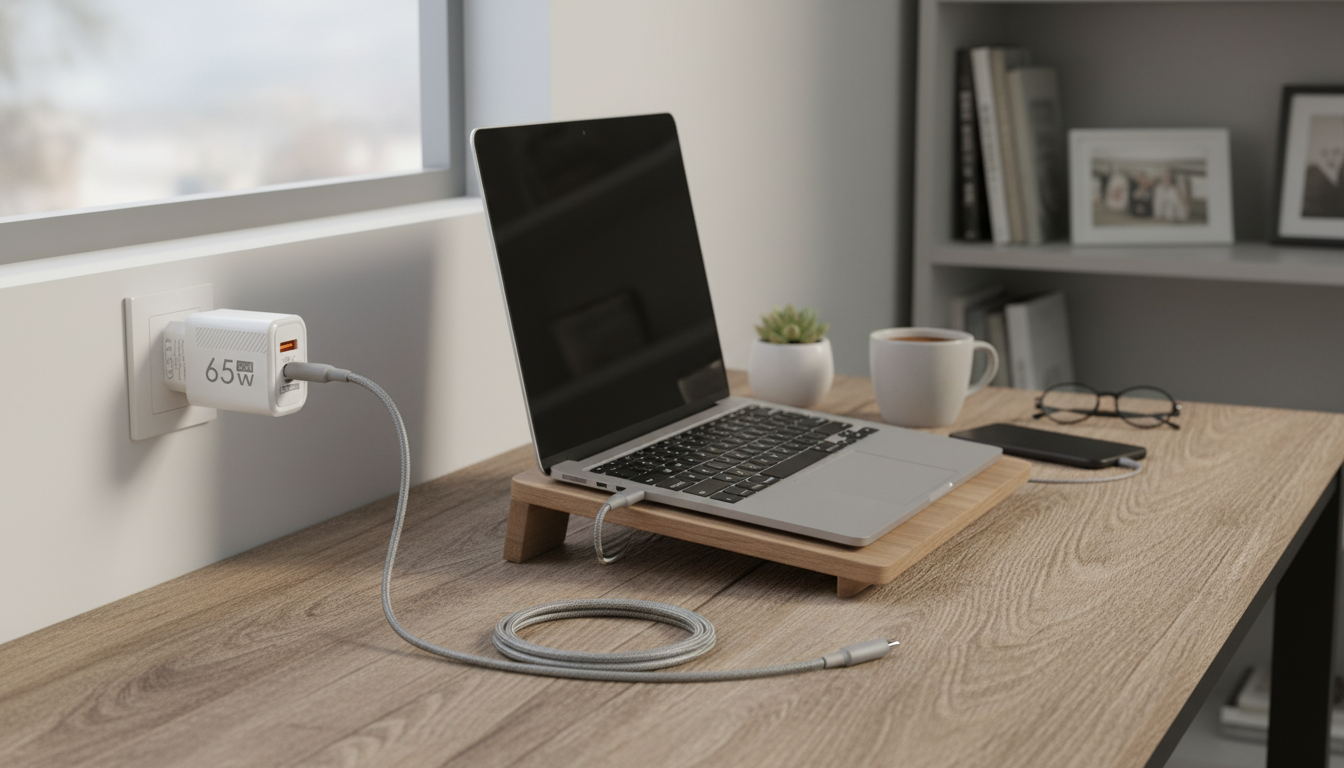
A 100W charger can deliver up to 100 watts of power to a compatible device, which translates to “fast” charging for many laptops, tablets, and some phones—but the real speed depends on what your device is willing to accept. Charging speed is always a negotiation between your device, the charger, and the cable. If any one of those tops out lower than 100W, your actual charge rate drops to that lower limit.
Most 100W USB-C chargers reach 100W through USB Power Delivery (USB PD), commonly at 20V/5A. That’s ideal for laptops that support 90–100W input over USB-C. With a laptop that accepts 65W, the charger will typically cap at 65W. With a phone that accepts 27W, 45W, or even 20W, you’ll see those phone-rated speeds—not 100W.
Laptops: A 100W charger can power and charge many USB-C laptops comfortably, including during use. It won’t always charge dramatically faster than a 65W charger if the laptop is designed to draw 65W or less.
Tablets: Many tablets pull 18–45W. A 100W charger offers overhead, meaning the charger runs cooler and you can often charge while using the tablet without slowing down.
Phones: Phones rarely draw anywhere near 100W over USB PD. Even when the charger supports high wattage, phone charging often slows after the first 30–60% to protect battery health.
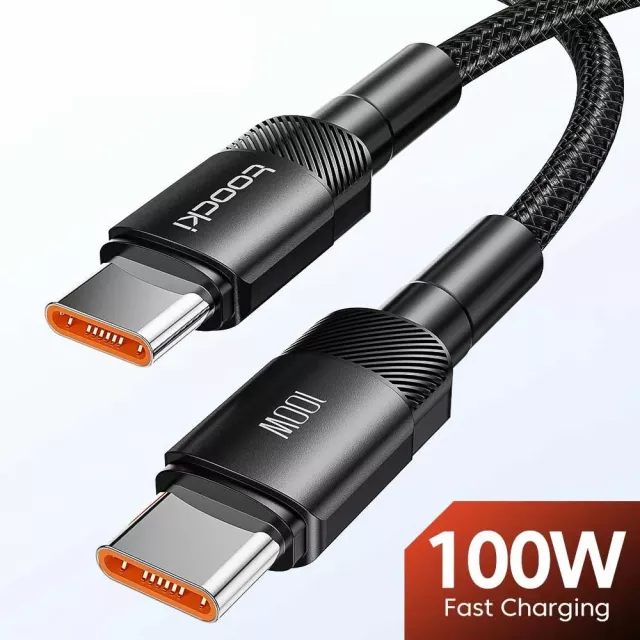
1) Cable rating: To reach 100W reliably, you generally need a 5A-rated USB-C cable (often labeled 100W). A 3A cable commonly caps around 60W.
2) Multi-port sharing: If you use more than one port at the same time, many chargers split power across ports. Your laptop might drop from near-100W to 65W or 45W depending on the charger’s power allocation.
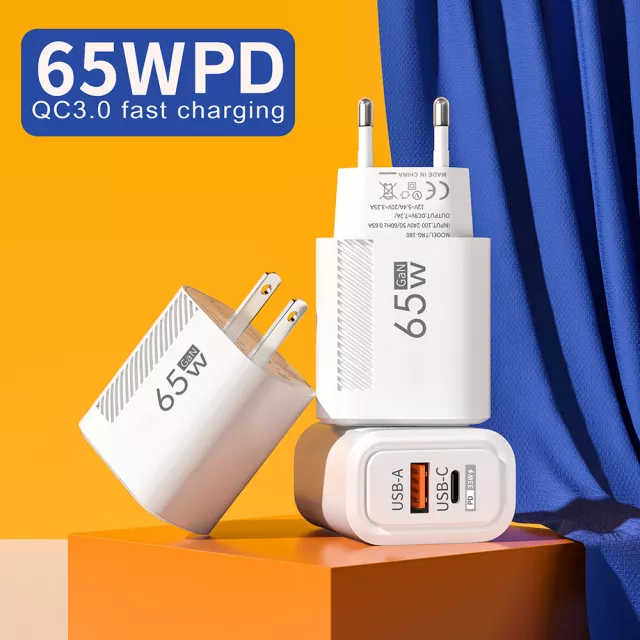
For a deeper walkthrough of USB-C charging, wattage, and GaN benefits, our team recommends starting with our main guide: https://splendona.com/guide-65w-gan-usb-c-wall-charger-quick-charge/.
Yes. A quality USB-C PD charger only supplies what your phone requests, so the phone controls the wattage. You’ll get the fastest rate your phone supports, not an unsafe “forced” 100W.



Leave a comment