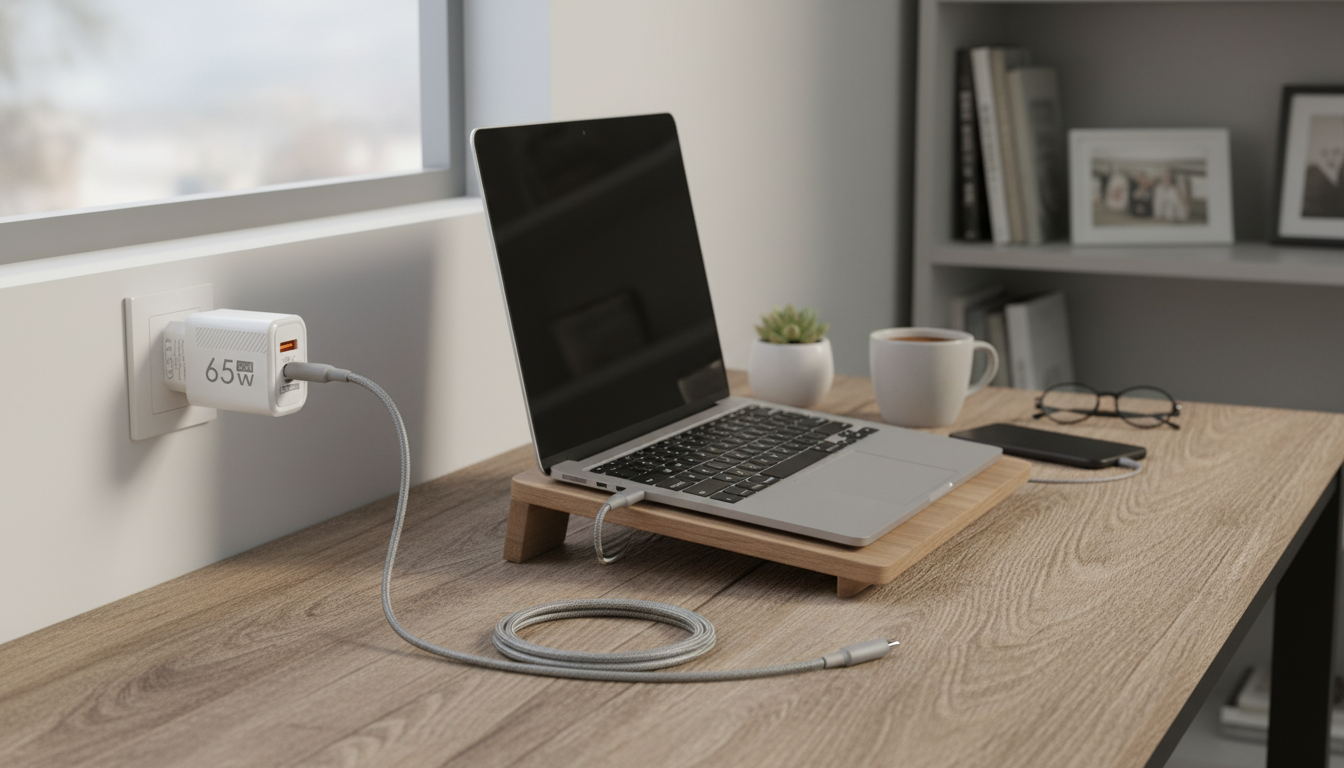
Neither wattage is universally “better”—the better choice depends on what you’re powering and how many devices you want to charge at once. Our team uses wattage as a quick way to match a charger to your laptop, tablet, phone, and accessories without slow charging or constant power-sharing compromises.
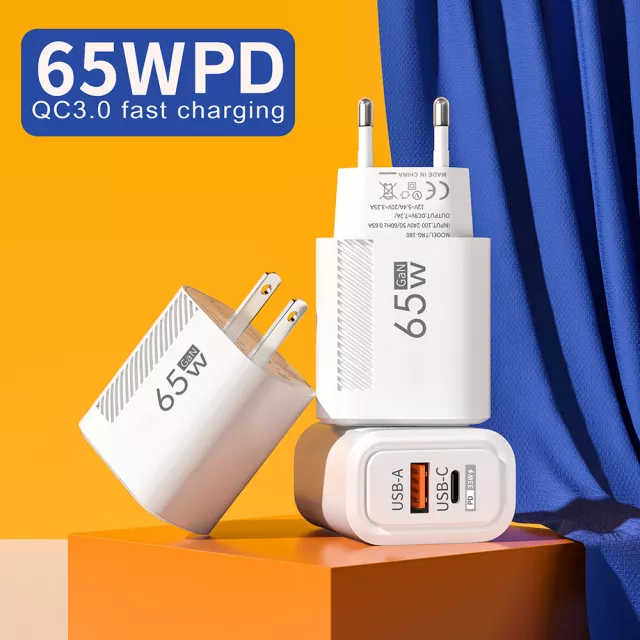
A 60W charger is a great fit if you mainly charge phones, earbuds, handheld gaming devices, and tablets, plus many smaller USB-C laptops. It’s also ideal when portability matters: 60W bricks and cables are often smaller, run cooler under typical loads, and are easy to toss in a bag for daily commuting.
60W is also a smart pick when you’ll usually charge one primary device at a time (or one laptop plus a low-power add-on). If your laptop’s original adapter is 45W–65W, 60W can work well, but it may not keep up during heavy workloads if your system regularly spikes higher.
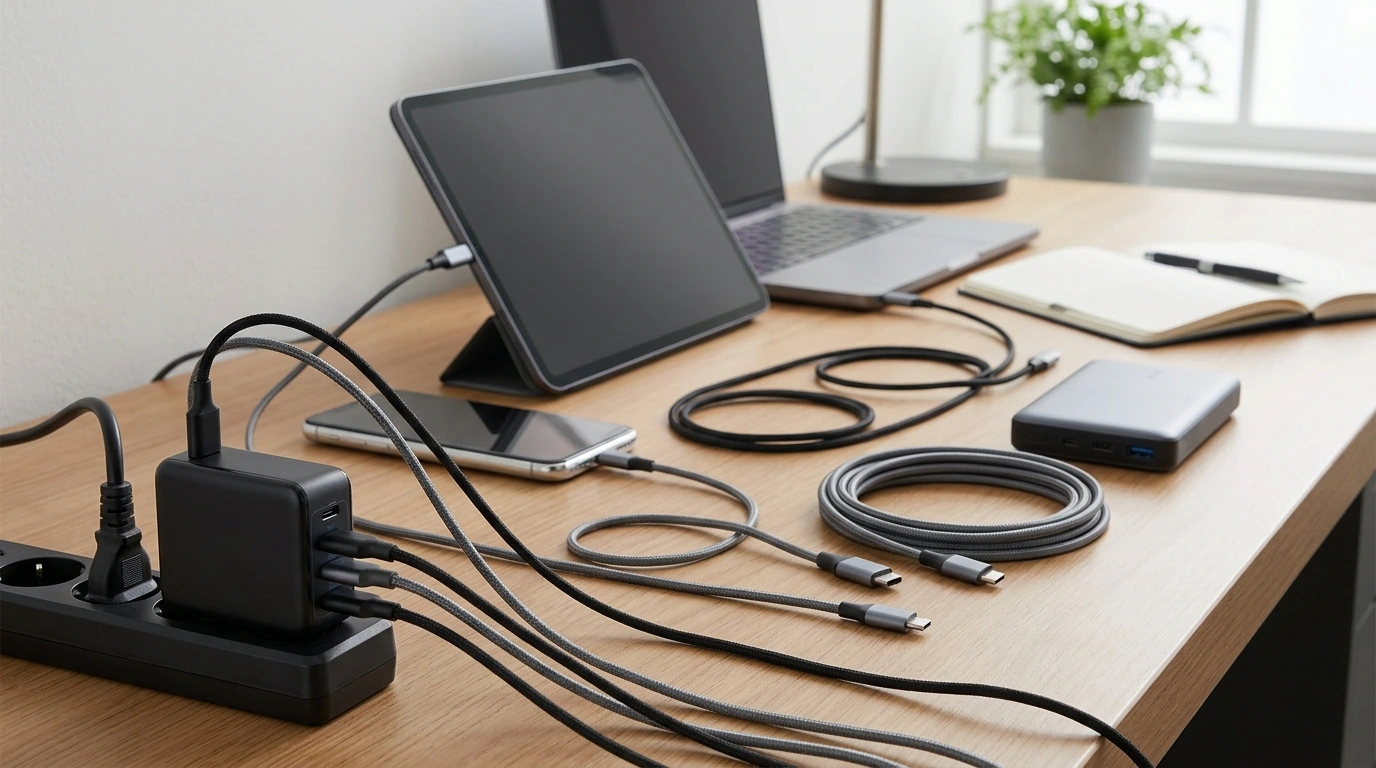
A 100W charger is the better option when you use a power-hungry USB-C laptop, want faster top-ups under load, or plan to charge multiple devices from one charger. That extra headroom helps prevent “slow charging” warnings when your laptop is running demanding apps while also powering a second device.
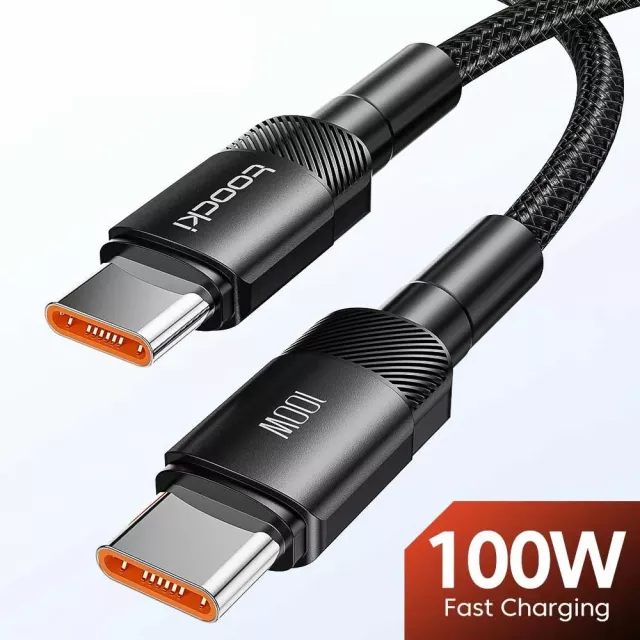
100W is also a safer long-term choice if you’re buying one charger to cover today’s laptop and your next upgrade. Pair it with a USB-C cable rated for 100W (5A) so you can actually deliver full power when needed.
If you travel light and charge mostly phone/tablet gear, 60W is usually enough. If you rely on a laptop as your main device, want a single charger for everything, or expect multi-device charging, 100W is typically the more capable choice.
For a deeper breakdown of USB-C charging, GaN benefits, and how quick-charge standards affect real-world results, see our full guide: https://splendona.com/guide-65w-gan-usb-c-wall-charger-quick-charge/.
Yes. A charger can only deliver higher power if the USB-C cable supports it, such as a 100W (5A) rated cable for full 100W charging.


Leave a comment