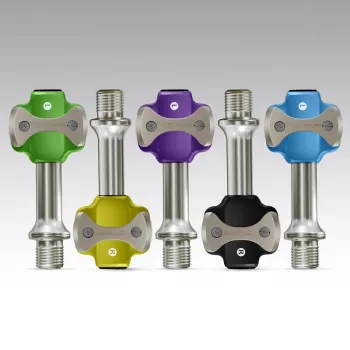
Yes—aluminum alloy bicycle pedals are typically lighter than steel pedals, mainly because aluminum has a much lower density than steel. For riders chasing an easier spin-up, quicker accelerations, or a lighter build overall, swapping from steel-bodied pedals to aluminum-bodied pedals is a common weight-saving move.
In most cases, aluminum alloy pedal bodies weigh less than steel pedal bodies of similar size and shape. Aluminum’s density is roughly one-third of steel’s, so even when manufacturers add material for strength, an aluminum platform usually comes in lighter than a comparable steel platform.
That said, “steel pedals” can mean different things. Some pedals have an aluminum body but use steel spindles (axles), which is extremely common—even on premium lightweight pedals—because the spindle needs high fatigue strength. Meanwhile, budget pedals sometimes use heavier designs, thicker bodies, and basic bearings, which can overshadow any material advantage. Design, bearing type, and platform size can matter as much as the raw material.
Durability is also part of the tradeoff. Steel pedal bodies tend to shrug off rock strikes and pedal grabs with less cosmetic damage, while aluminum can show gouging sooner. However, many aluminum pedals are plenty tough for everyday road, gravel, and trail use, and their lighter weight is a real benefit when you’re optimizing a bike’s feel.
If weight is the priority but grip and foot security matter too, focus on the whole package: platform shape, pin layout (for flats), cleat interface (for clipless), spindle material, and bearing quality. For a deeper look at how pedal grip, fit, and setup affect performance—especially in lightweight locking designs—see this guide to ultralight locking bike pedals.
For Aluminum vs Steel Bike Pedals: Which Is Lighter?, the best answer depends on fit, material, care instructions, and how the product will be used day to day.
It can, especially when accelerating or doing repeated surges, because pedals are part of the rotating mass. The difference is usually subtle on steady rides, but weight savings can still improve the bike’s responsiveness.
Yes—aluminum alloy bicycle pedals are typically lighter than steel pedals, mainly because aluminum has a much lower density than steel. For riders chasing an easier spin-up, quicker accelerations, or a lighter build overall, swapping from steel-bodied pedals to aluminum-bodied pedals is a common weight-saving move.
In most cases, aluminum alloy pedal bodies weigh less than steel pedal bodies of similar size and shape. Aluminum’s density is roughly one-third of steel’s, so even when manufacturers add material for strength, an aluminum platform usually comes in lighter than a comparable steel platform.
That said, “steel pedals” can mean different things. Some pedals have an aluminum body but use steel spindles (axles), which is extremely common—even on premium lightweight pedals—because the spindle needs high fatigue strength. Meanwhile, budget pedals sometimes use heavier designs, thicker bodies, and basic bearings, which can overshadow any material advantage. Design, bearing type, and platform size can matter as much as the raw material.
Durability is also part of the tradeoff. Steel pedal bodies tend to shrug off rock strikes and pedal grabs with less cosmetic damage, while aluminum can show gouging sooner. However, many aluminum pedals are plenty tough for everyday road, gravel, and trail use, and their lighter weight is a real benefit when you’re optimizing a bike’s feel.
If weight is the priority but grip and foot security matter too, focus on the whole package: platform shape, pin layout (for flats), cleat interface (for clipless), spindle material, and bearing quality. For a deeper look at how pedal grip, fit, and setup affect performance—especially in lightweight locking designs—see this guide to ultralight locking bike pedals.
For Aluminum vs Steel Bike Pedals: Which Is Lighter?, the best answer depends on fit, material, care instructions, and how the product will be used day to day.
It can, especially when accelerating or doing repeated surges, because pedals are part of the rotating mass. The difference is usually subtle on steady rides, but weight savings can still improve the bike’s responsiveness.
Yes—aluminum alloy bicycle pedals are typically lighter than steel pedals, mainly because aluminum has a much lower density than steel. For riders chasing an easier spin-up, quicker accelerations, or a lighter build overall, swapping from steel-bodied pedals to aluminum-bodied pedals is a common weight-saving move.
In most cases, aluminum alloy pedal bodies weigh less than steel pedal bodies of similar size and shape. Aluminum’s density is roughly one-third of steel’s, so even when manufacturers add material for strength, an aluminum platform usually comes in lighter than a comparable steel platform.
That said, “steel pedals” can mean different things. Some pedals have an aluminum body but use steel spindles (axles), which is extremely common—even on premium lightweight pedals—because the spindle needs high fatigue strength. Meanwhile, budget pedals sometimes use heavier designs, thicker bodies, and basic bearings, which can overshadow any material advantage. Design, bearing type, and platform size can matter as much as the raw material.
Durability is also part of the tradeoff. Steel pedal bodies tend to shrug off rock strikes and pedal grabs with less cosmetic damage, while aluminum can show gouging sooner. However, many aluminum pedals are plenty tough for everyday road, gravel, and trail use, and their lighter weight is a real benefit when you’re optimizing a bike’s feel.
If weight is the priority but grip and foot security matter too, focus on the whole package: platform shape, pin layout (for flats), cleat interface (for clipless), spindle material, and bearing quality. For a deeper look at how pedal grip, fit, and setup affect performance—especially in lightweight locking designs—see this guide to ultralight locking bike pedals.
For Aluminum vs Steel Bike Pedals: Which Is Lighter?, the best answer depends on fit, material, care instructions, and how the product will be used day to day.
It can, especially when accelerating or doing repeated surges, because pedals are part of the rotating mass. The difference is usually subtle on steady rides, but weight savings can still improve the bike’s responsiveness.







Leave a comment