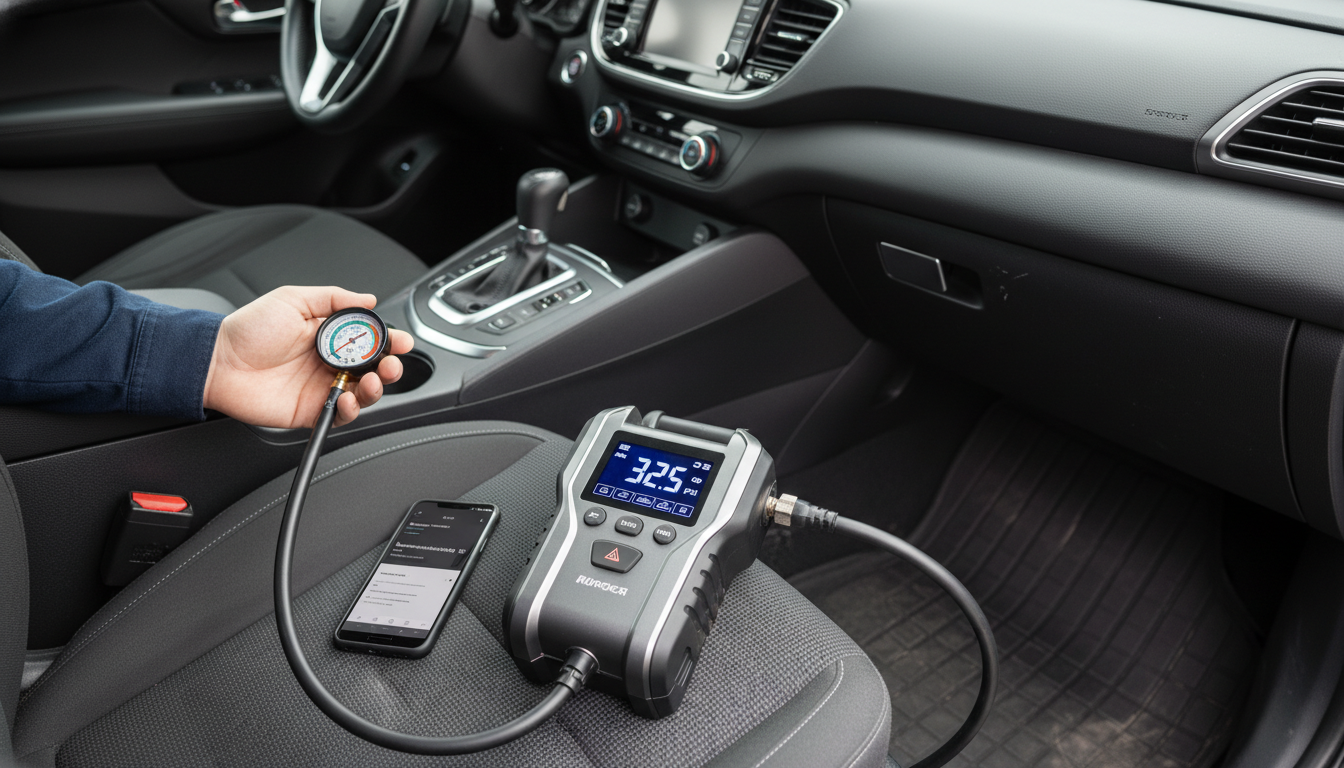
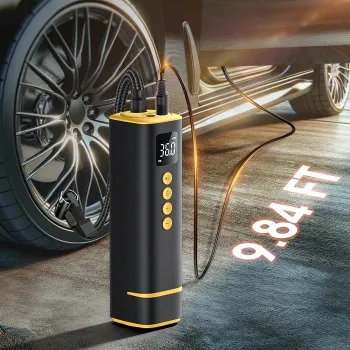
Digital tire inflators can be accurate, but the accuracy varies by model quality, calibration, battery condition, and even how you use the chuck on the valve stem. A solid inflator paired with a stable seal can deliver readings close enough for daily driving and most off-road adjustments, while bargain units may drift and read a few PSI off.
Many consumer digital inflators are typically within about 1–2 PSI when new and used correctly, though some can be better and some worse. That spread matters more at lower pressures (like airing down for trails) because a small PSI difference can noticeably change ride feel and traction.
Inaccuracy isn’t always the sensor’s fault. Common causes include:
The best way to trust your numbers is to verify and standardize your process. Check the inflator against a known-good tire pressure gauge (or a second trusted gauge) and note any consistent offset. When inflating, press the chuck firmly and keep it steady until the reading stabilizes. For off-road setups, using the same gauge every time improves consistency, even if it’s slightly offset.
For a deeper look at managing tire PSI and choosing a high-pressure inflator for trail and road use, visit the main guide: https://splendona.com/guide-off-road-tire-psi-digital-monitor-150-psi-inflator/.
Precision is most important when matching pressures across all four tires, setting towing pressures, or airing down to specific targets for sand, rock, or washboard. Even if the inflator’s absolute reading is slightly off, consistent readings help keep handling predictable and tread wear even.
Yes, it’s a good idea to keep a separate gauge as a reference, especially for off-road use or if you notice inconsistent readings. Cross-checking occasionally helps catch drift and confirms your inflator is still reading consistently.





Leave a comment