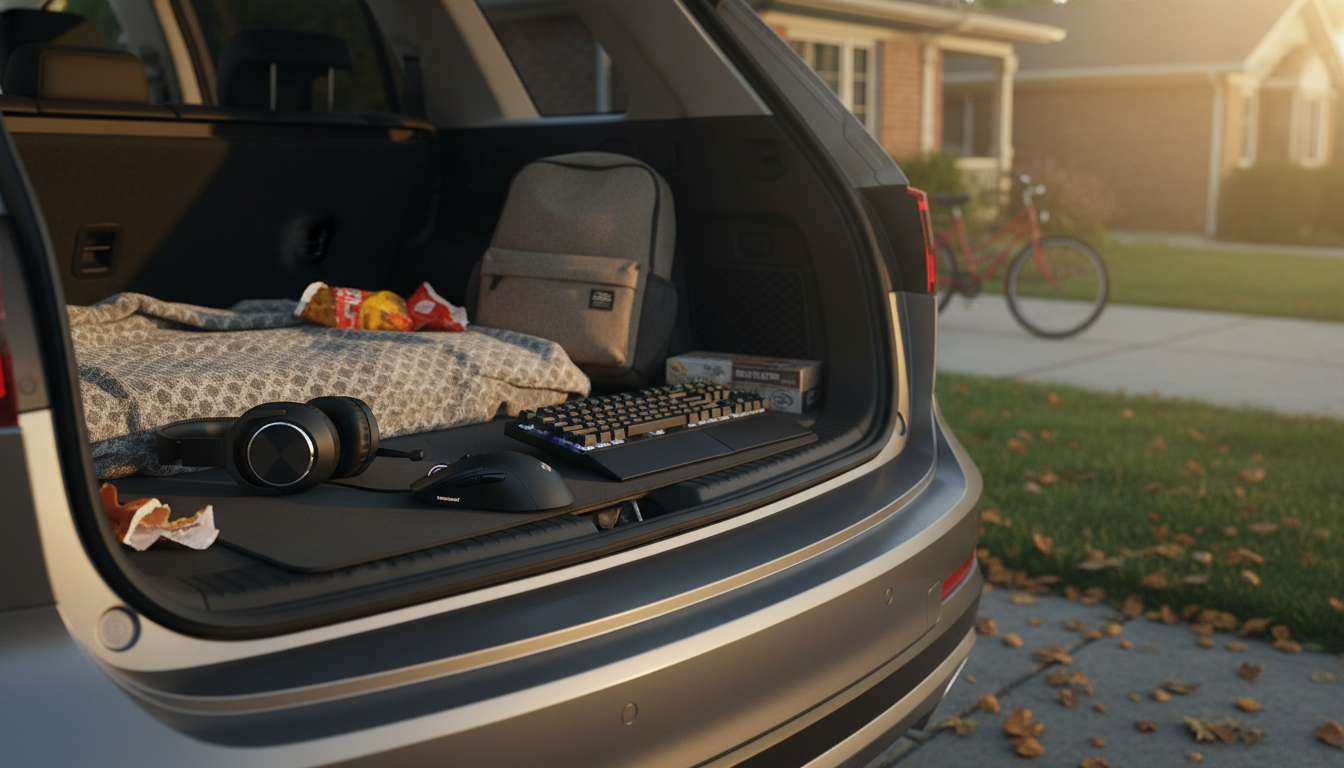
Ergonomic gaming mice are worth it when comfort and consistency matter more than chasing the lowest price. If long sessions leave your hand cramped, your wrist sore, or your grip constantly shifting, an ergonomic shape can reduce strain and help you keep steadier aim and smoother tracking. The “worth it” part often shows up over time: fewer breaks, less fatigue, and more reliable control during fast flicks or extended work-and-play days.
An ergonomic mouse typically supports a more natural hand position, fills the palm better (for palm or relaxed claw grips), and places buttons where your thumb can reach without twisting your wrist. That can translate to less tension in the forearm and fewer micro-adjustments during gameplay. Some designs also add textured grips or a higher back hump to keep your hand anchored when your sensitivity is low and you’re making bigger arm movements.
If you play in short bursts, prefer fingertip grip, or value the smallest, lowest-profile shapes, a heavily sculpted ergonomic mouse can feel restrictive. It’s also not automatically better for performance: weight balance, sensor quality, feet glide, and click feel can matter just as much. For competitive players who prioritize speed, an ultra-light mouse with clean, simple lines can be the better choice.
Choose ergonomic if you want a stable, supported grip and you notice discomfort with flatter shapes. Choose a lighter, simpler mouse if you want maximum freedom of movement and frequently adjust your grip mid-game. For a practical benchmark on speed-focused control, see this guide to an ultra-light wired gaming mouse (10,000 DPI, 6 buttons): https://splendona.com/guide-ultra-light-wired-gaming-mouse-10000-dpi-6-buttons/.
Ergonomic shapes usually suit palm and relaxed claw grips best because the taller back and sculpted sides support your hand. Fingertip users often prefer smaller, lower-profile mice that don’t “lock” the hand into one position.




Leave a comment