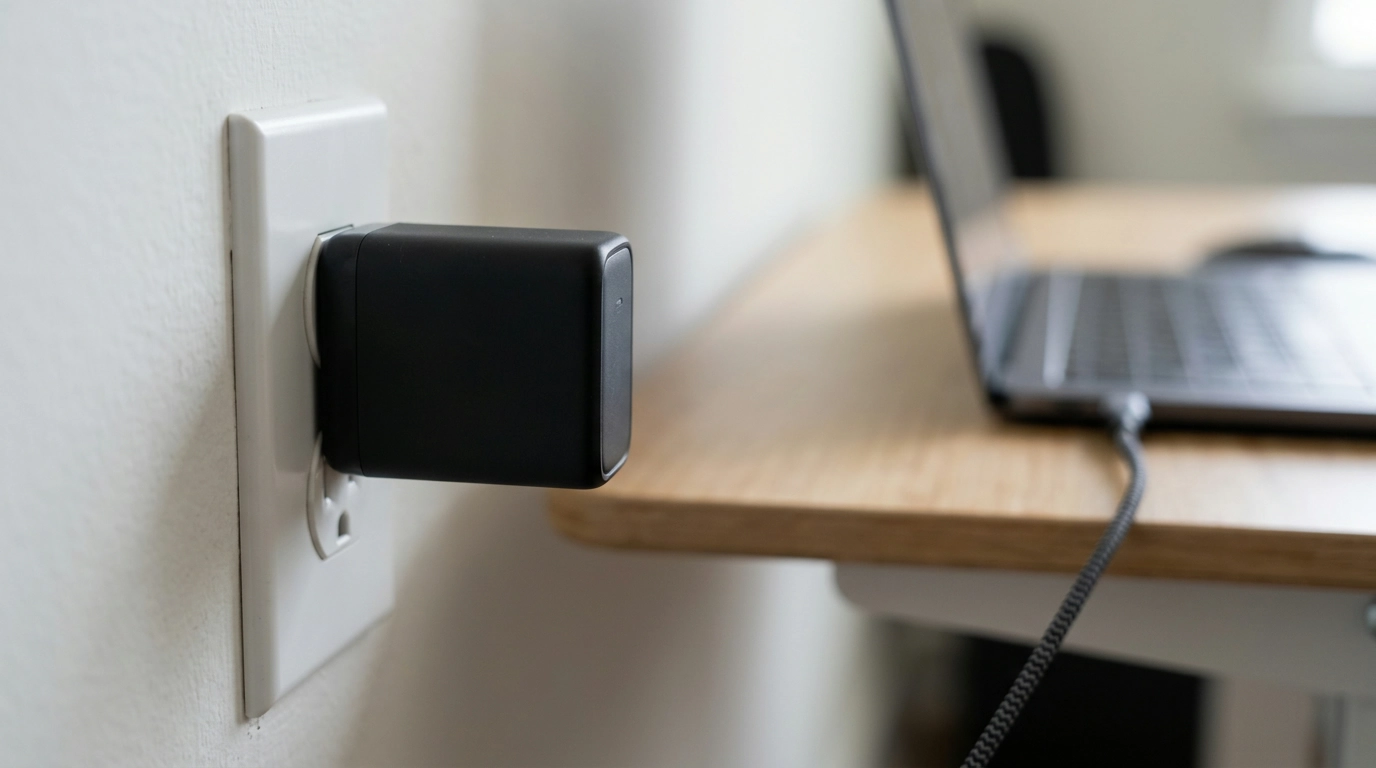
Often, yes—especially if you want a smaller, cooler-running charger that still delivers fast USB-C Power Delivery. GaN (gallium nitride) designs can switch power more efficiently than many traditional silicon chargers, which typically means less wasted energy as heat and more room to build compact, travel-friendly bricks. For you, the real-world “better” shows up as easier packing, fewer blocked outlets, and strong performance for phones, tablets, and many laptops.
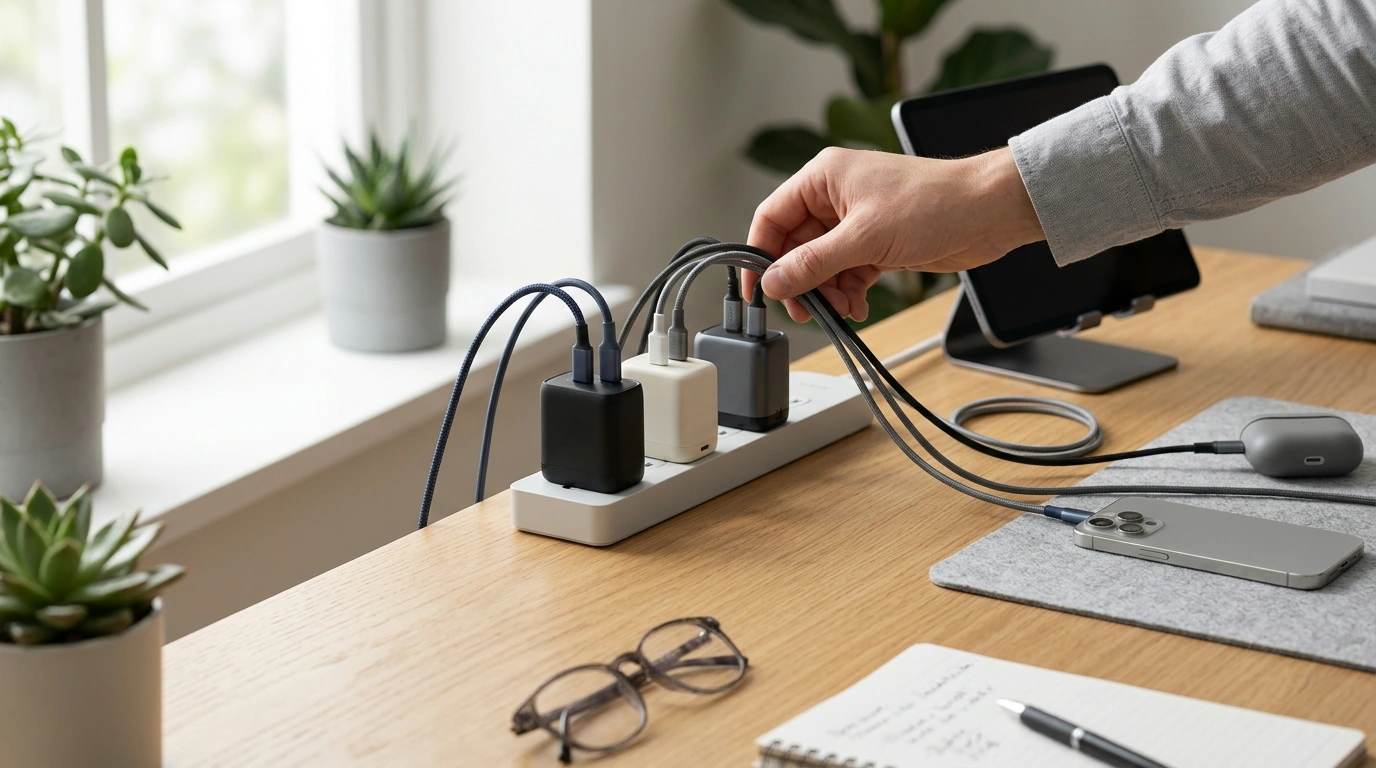
If your current charger feels bulky or gets uncomfortably warm during long sessions, a quality GaN model is usually an improvement. The higher efficiency helps maintain steady output for fast-charging standards like USB-C PD, and the compact size makes GaN great for bags, nightstands, and tight power strips. GaN also pairs well with multi-port layouts, so you can charge a laptop and phone from one brick without carrying multiple adapters.
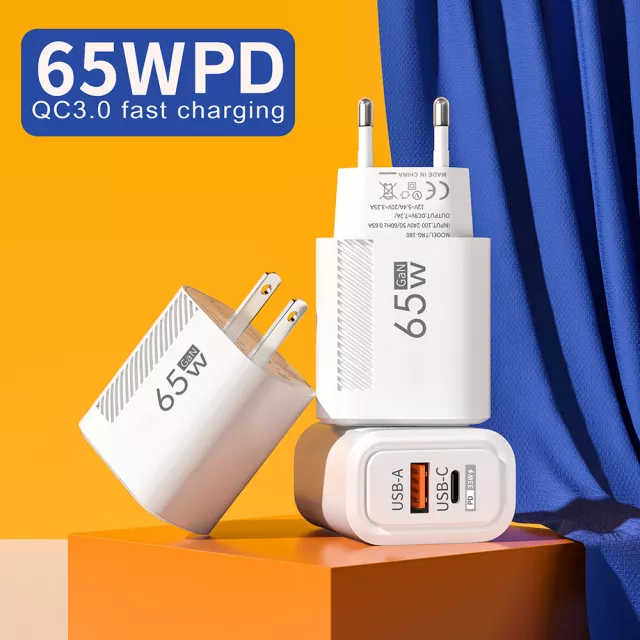
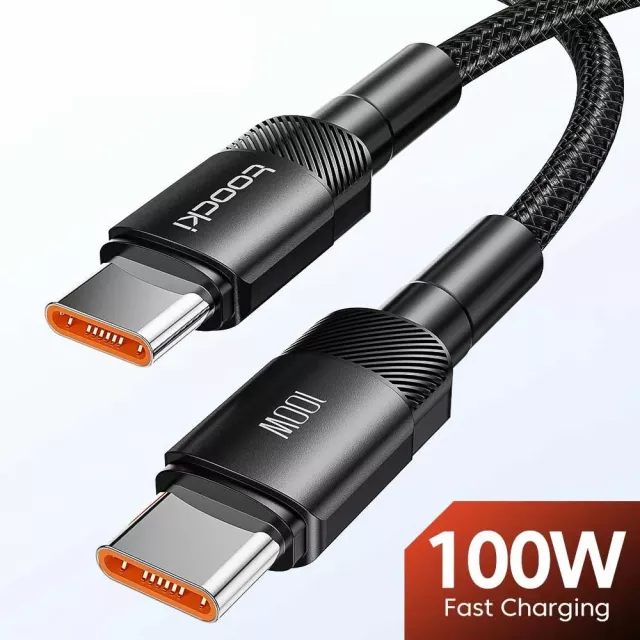
GaN doesn’t automatically make charging faster—you still need the right wattage, protocol support, and a capable cable. If you charge a laptop, match the charger’s wattage to your device needs (many ultrabooks do well around 45–65W, while larger models may require more). For modern phones, look for USB-C PD and, if your device benefits from it, PPS support. A weak or old cable can bottleneck performance even with a great GaN charger.
Choose GaN if you value portability, cooler operation, and a single charger for multiple devices. Stick with reputable safety certifications, avoid no-name bricks with vague specs, and use a USB-C cable rated for the wattage you expect to pull. If you want a practical deep-dive on picking a reliable, travel-ready option, see our guide here: https://splendona.com/guide-65w-gan-usb-c-wall-charger-quick-charge/.
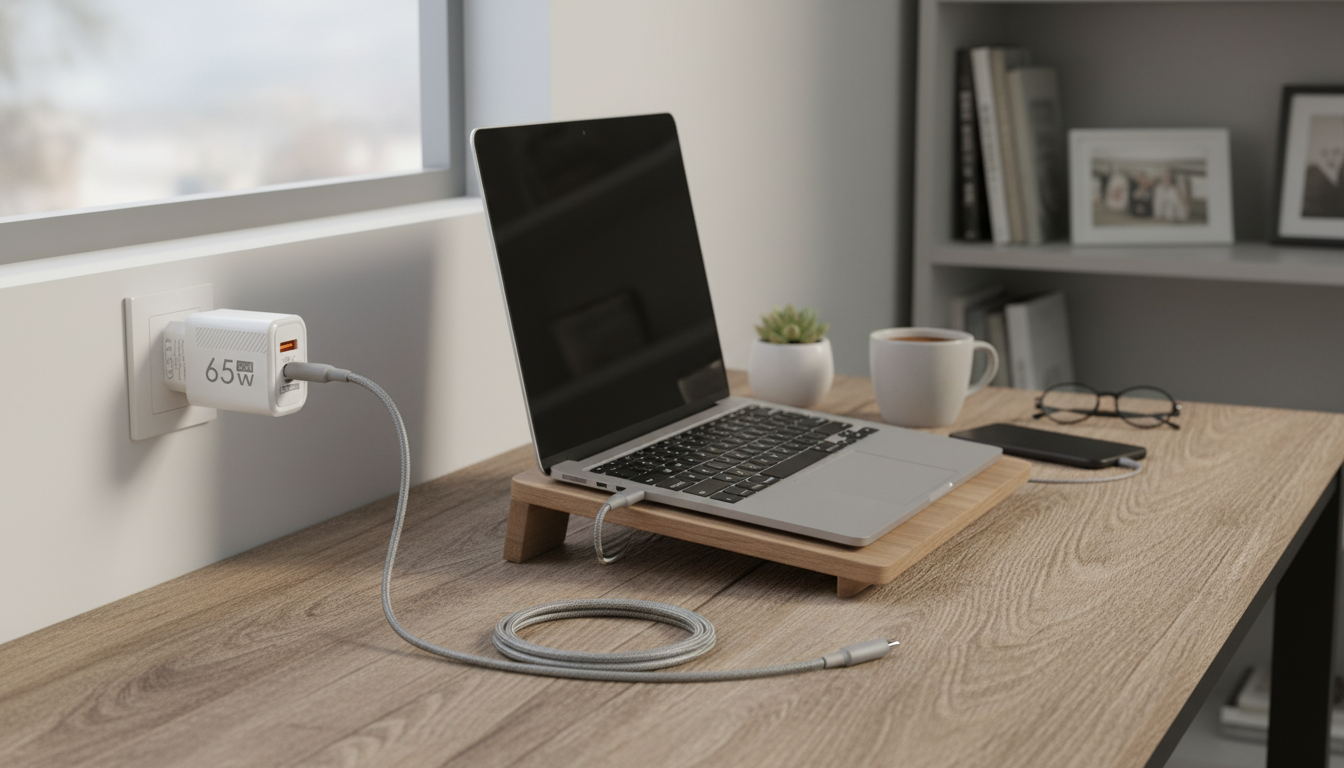
Pick a charger that can cover your laptop’s typical draw plus your phone’s fast-charge needs at the same time. For many everyday setups, 65W is a practical starting point, while larger laptops may need 100W or more.


Leave a comment