
Sometimes—but “waterproof” on a backpack label can mean different things. A truly waterproof backpack keeps water out even in heavy rain and brief submersion, usually by combining a waterproof fabric with sealed construction (taped seams) and water-blocking closures like roll-tops or waterproof zippers. Many everyday “waterproof” backpacks are better described as water-resistant: they shed rain for a while, but can eventually let moisture in through seams, zippers, or fabric wear.
Most backpacks face water entry in the same weak spots: stitching holes, zipper tracks, and any opening that isn’t fully sealed. Even if the fabric itself is waterproof (often with a coated nylon/polyester), water can wick through seams or push through during a downpour. If the product doesn’t mention sealed seams, it’s safer to assume it’s not fully waterproof.
Brands that build genuinely waterproof packs typically call out specific features like welded or taped seams, roll-top closures, and waterproof-rated zippers. Some products also cite an IP rating, but many backpack listings don’t—so construction details matter more than the marketing term.
For commuting and travel, the practical goal is keeping electronics dry in sustained rain. A pack can perform well without being submersible if it has a coated exterior, a tight zipper garage or storm flap, and a well-designed laptop compartment that sits off the bottom and away from the outer shell. Adding a rain cover or placing your laptop in a sleeve provides an extra buffer when weather turns.
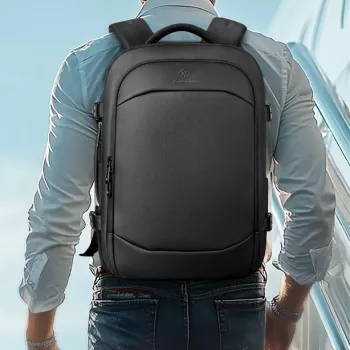
If you’re comparing options for daily travel and laptop protection, the guide here breaks down materials, closure types, and what to prioritize for wet-weather reliability: Waterproof 17-inch travel laptop backpack guide.
Water-resistant backpacks repel light rain for a limited time, but water can eventually seep in. Waterproof backpacks are built to prevent water entry through fabric and construction, typically using sealed seams and water-blocking closures.





Leave a comment