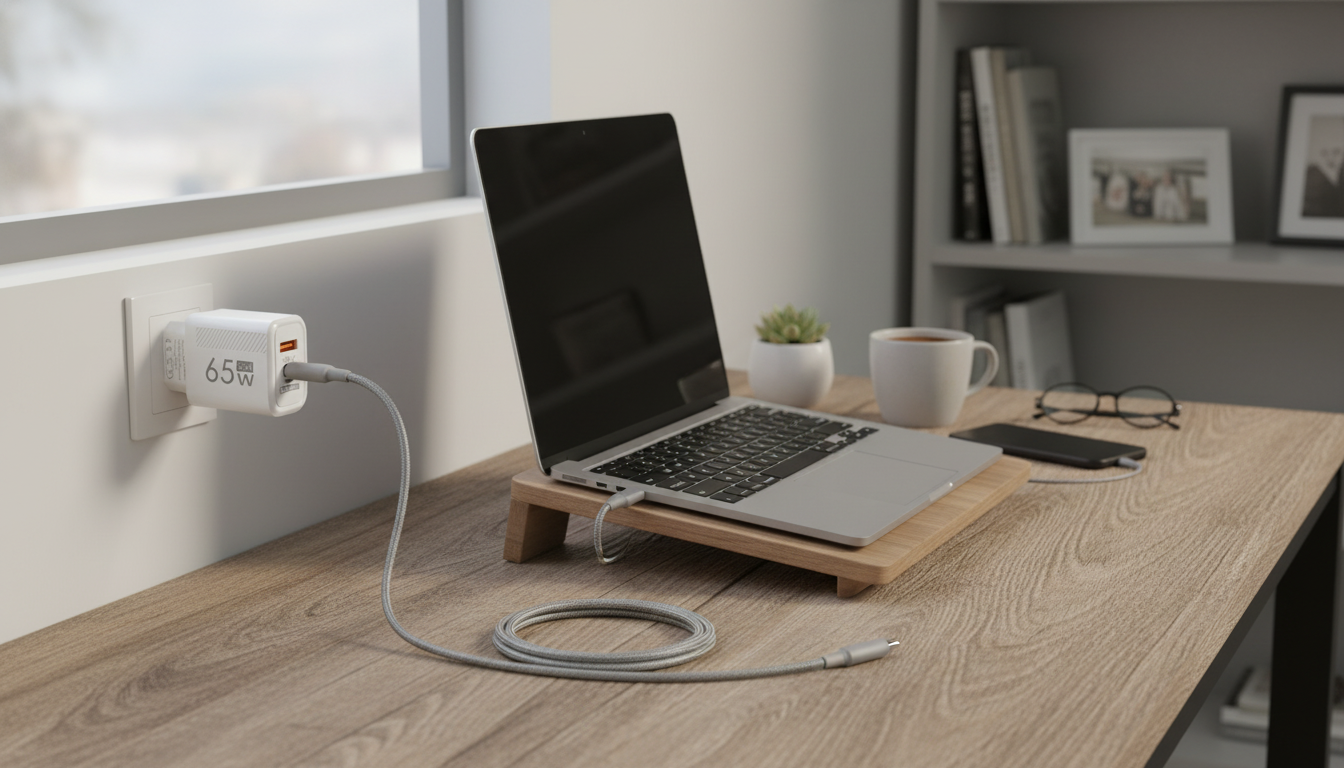
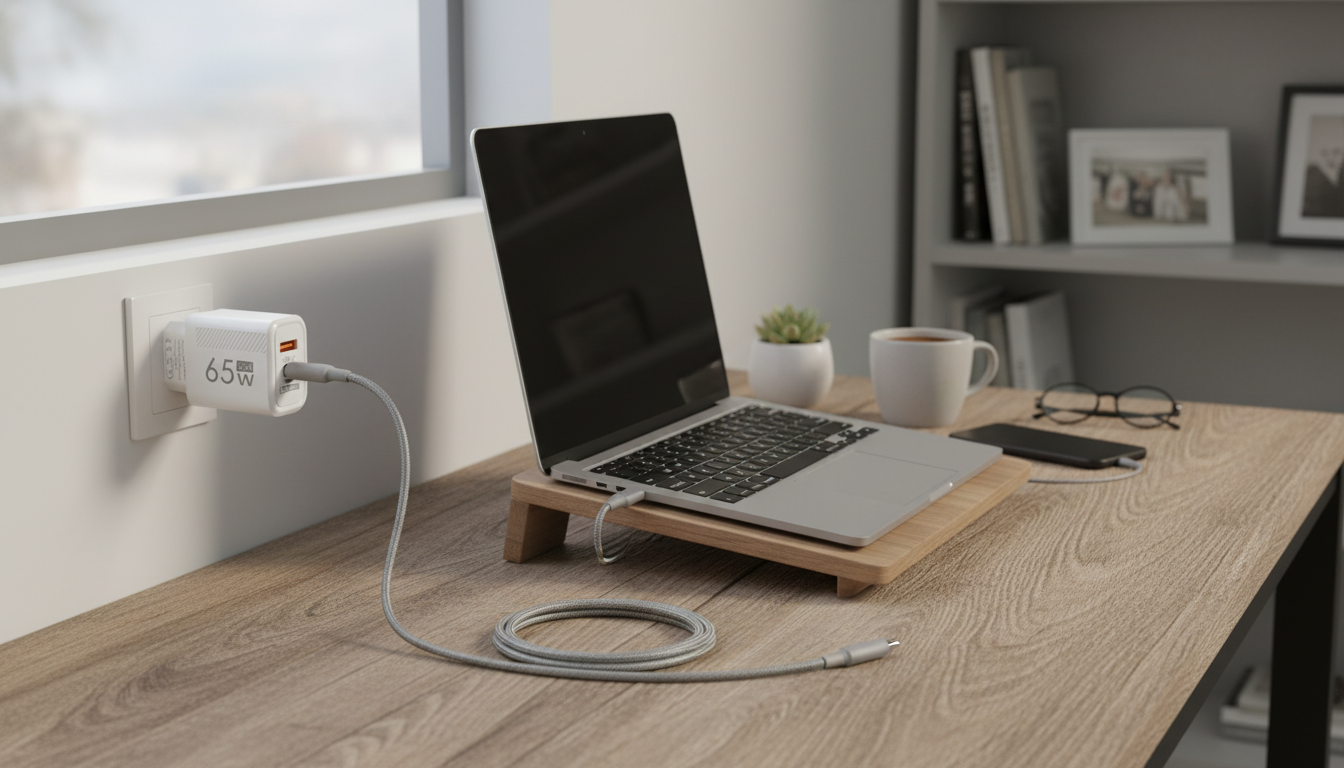
Yes—fast chargers work when the charger, cable, and your device all support the same fast-charging standard. Instead of pushing “more electricity” at any cost, modern fast charging is a negotiated process: your phone, tablet, laptop, or power bank requests a certain voltage and current, and the charger supplies it within safe limits. When everything lines up, you’ll see noticeably quicker top-ups compared to a basic 5W or 10W adapter.
Fast charging is most dramatic from a low battery to roughly the mid-range. After that, many devices intentionally slow down to reduce heat and protect long-term battery health. So if you’re expecting “0% to 100% at max speed,” it may feel inconsistent—but the charger is still doing its job. The speed also depends on what your device can accept (for example, 18W vs. 30W vs. 65W) and whether you’re using it while charging.
To get fast charging, match these three pieces:
1) A capable charger: Look for USB-C Power Delivery (PD) for most modern phones, tablets, and laptops. Many Android phones also use USB-C PD with PPS for more efficient charging.
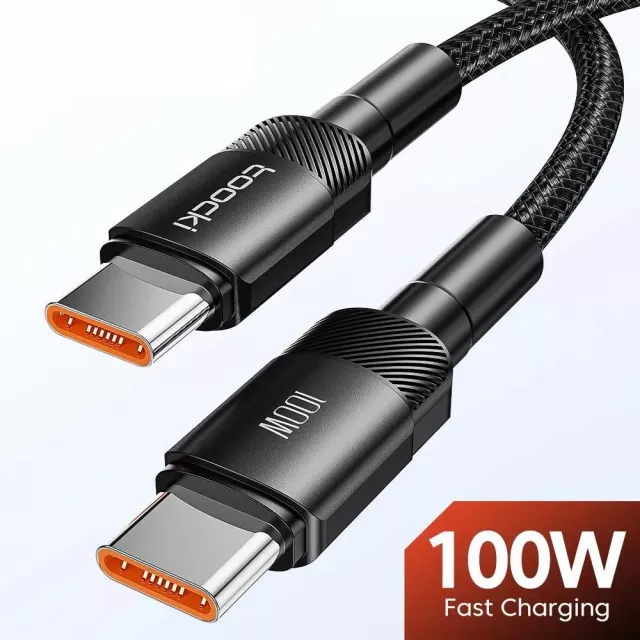
2) The right cable: Not all USB-C cables are equal. Higher-power charging (especially above 60W) can require an e-marked USB-C cable designed for that wattage. A low-quality cable can bottleneck speed or cause unstable charging.
3) A compatible device: Your device has a maximum input. A higher-watt charger won’t force extra power; it simply gives your device headroom to draw what it supports.
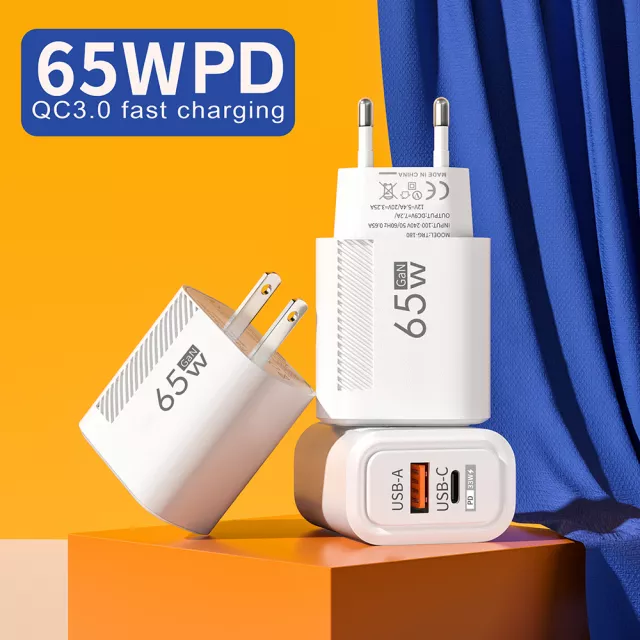
If you charge multiple devices, a GaN USB-C wall charger is a practical upgrade because it can deliver high power in a smaller build and often includes multiple ports. For a deeper walkthrough on what to look for—wattage, USB-C PD, and real-world pairing—our team put together a guide you can use before you buy: https://splendona.com/guide-65w-gan-usb-c-wall-charger-quick-charge/.
Slow charging typically produces less heat, which can be gentler for long-term battery health. Fast charging is ideal when you need a quick boost; for routine overnight charging, slower can be a solid choice.
A fast charger is more versatile because your device will only draw what it can safely use, and you’ll get quicker charging when supported. A regular charger is fine for basic needs, but it may feel limiting with newer phones, tablets, and USB-C laptops.





Leave a comment