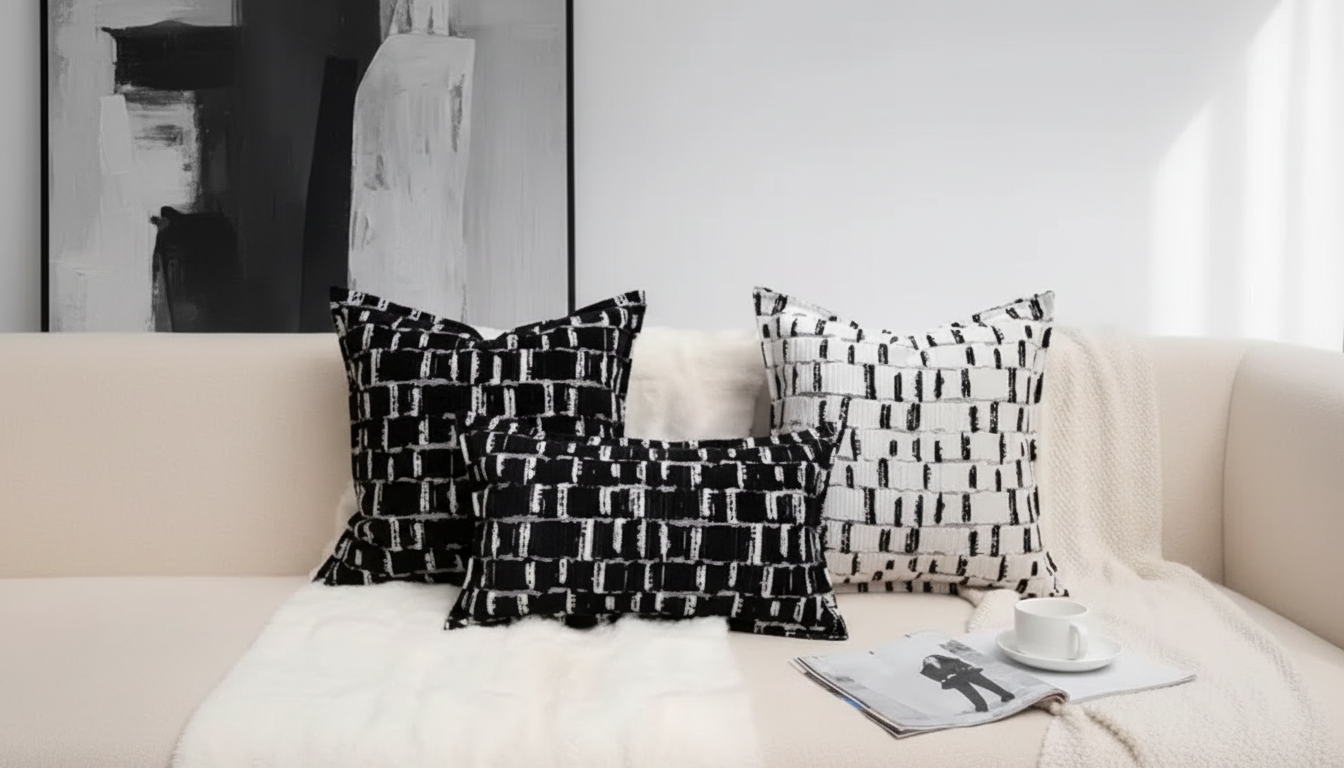
Yes—pillow cases with zippers are widely available, and they’re popular for one simple reason: they stay put. Instead of an open-end or envelope closure that can shift overnight, a zipper keeps the pillow fully enclosed so the fabric looks smooth and the pillow doesn’t peek out.
A zipper closure can make a bed look more tailored because the edges sit flatter and the pillow stays aligned inside the case. Zippered designs are also handy for households that wash bedding often—once zipped, the pillow is less likely to slide out while you’re carrying a load to the laundry room or changing sheets quickly.
You’ll see two common categories: standard pillowcases (made for sleeping) and decorative pillow covers (made for throw pillows). Decorative covers frequently use “hidden” zippers stitched into a seam, so the closure is subtle from the front. For sleeping pillowcases, the zipper may be along one short end or tucked under a fabric flap to reduce contact with skin.
They can be. Look for covered or concealed zippers, smooth zipper tape, and quality stitching so the pull doesn’t poke or snag. If you’re shopping for sensitive skin, prioritize softer fabrics (like cotton sateen or bamboo viscose) and a zipper that’s fully enclosed by a seam or flap.
Start with the right size (standard, queen, king, or specialty). Then check zipper placement and finish: hidden zippers tend to look cleaner on decorative pillows, while covered zippers can feel better for sleeping. Finally, consider care instructions—machine-washable options with sturdy zippers hold up best over time.
For a helpful reference on zippered cushion covers and what to look for in closure style and finish, see the main guide here: https://splendona.com/guide-black-white-plaid-plush-cushion-cover-18×18/.
Not typically. When the zipper is smooth, properly stitched, and sized correctly for the pillow, it helps protect the pillow by keeping it fully covered without stressing seams.




Leave a comment